What Can Go Wrong
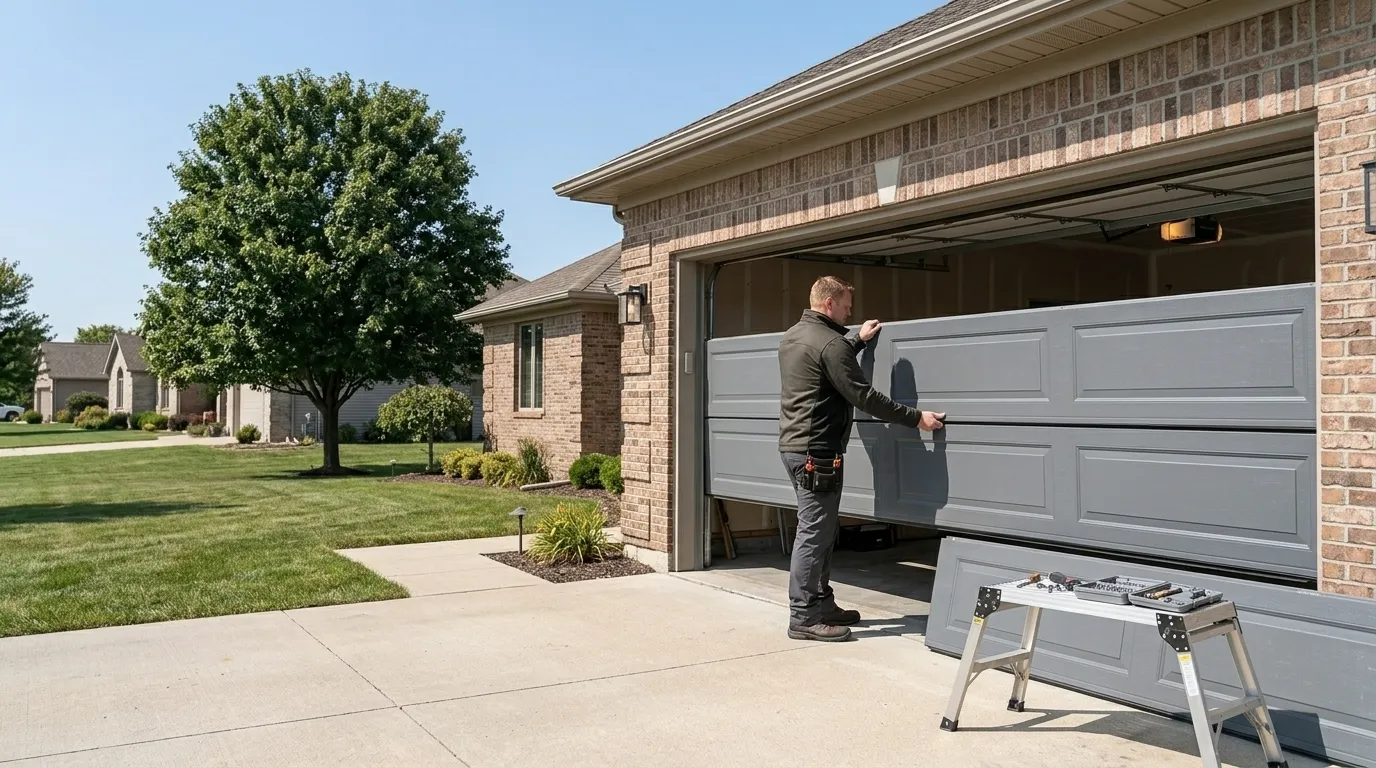
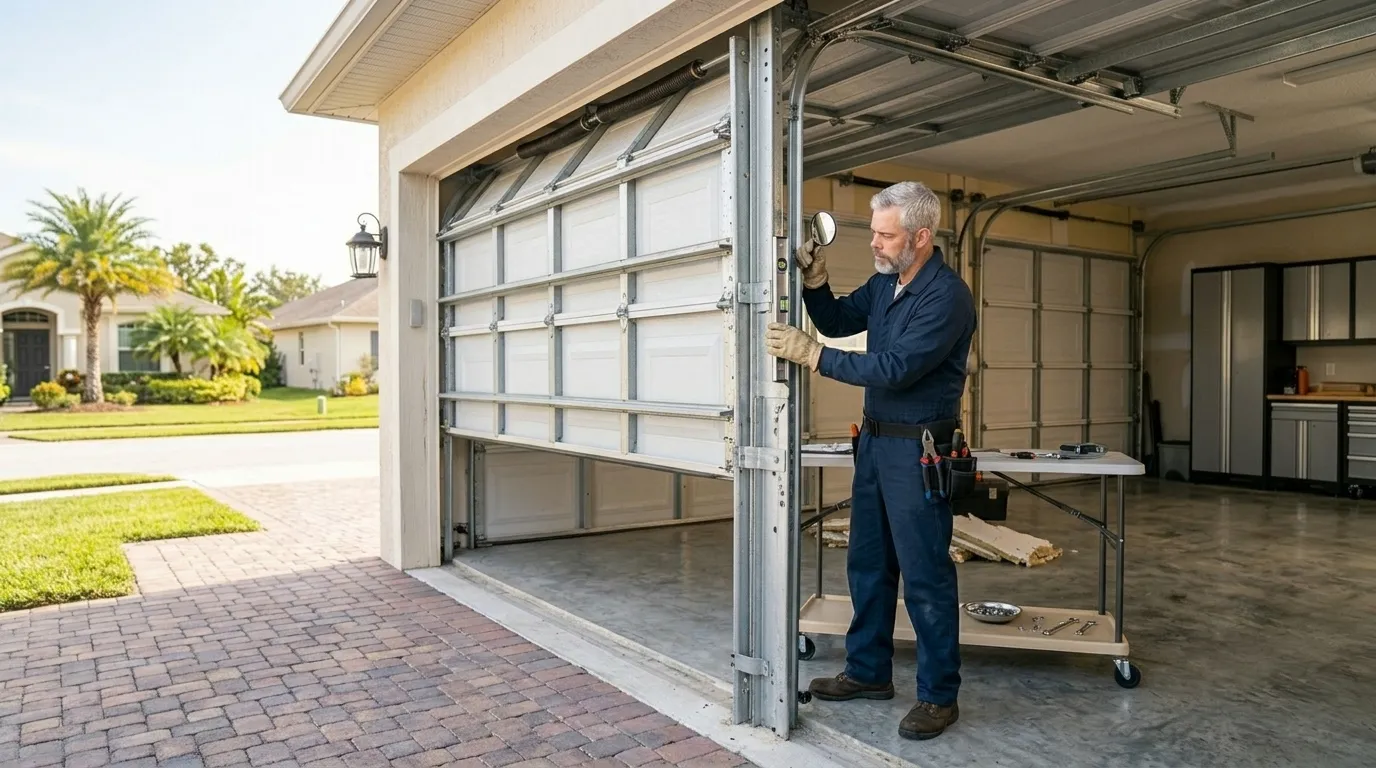
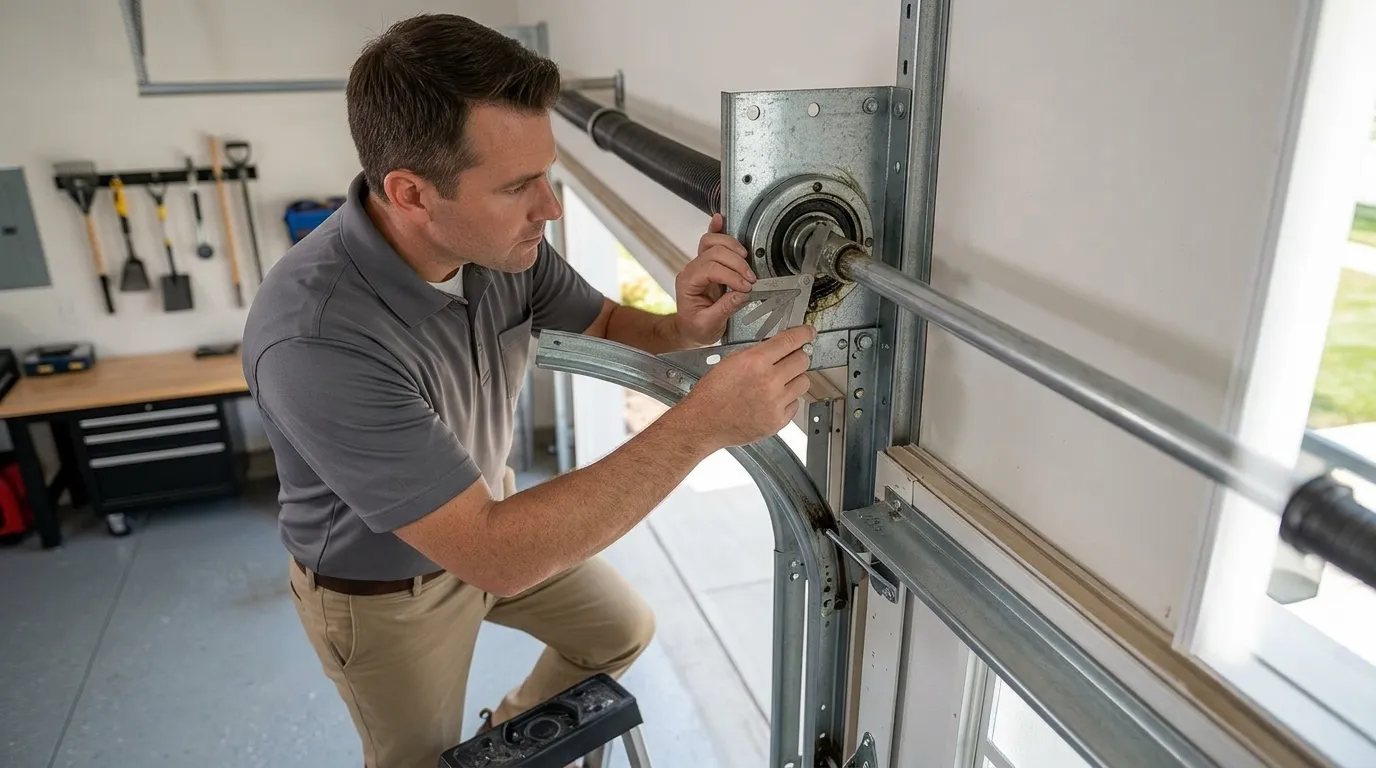
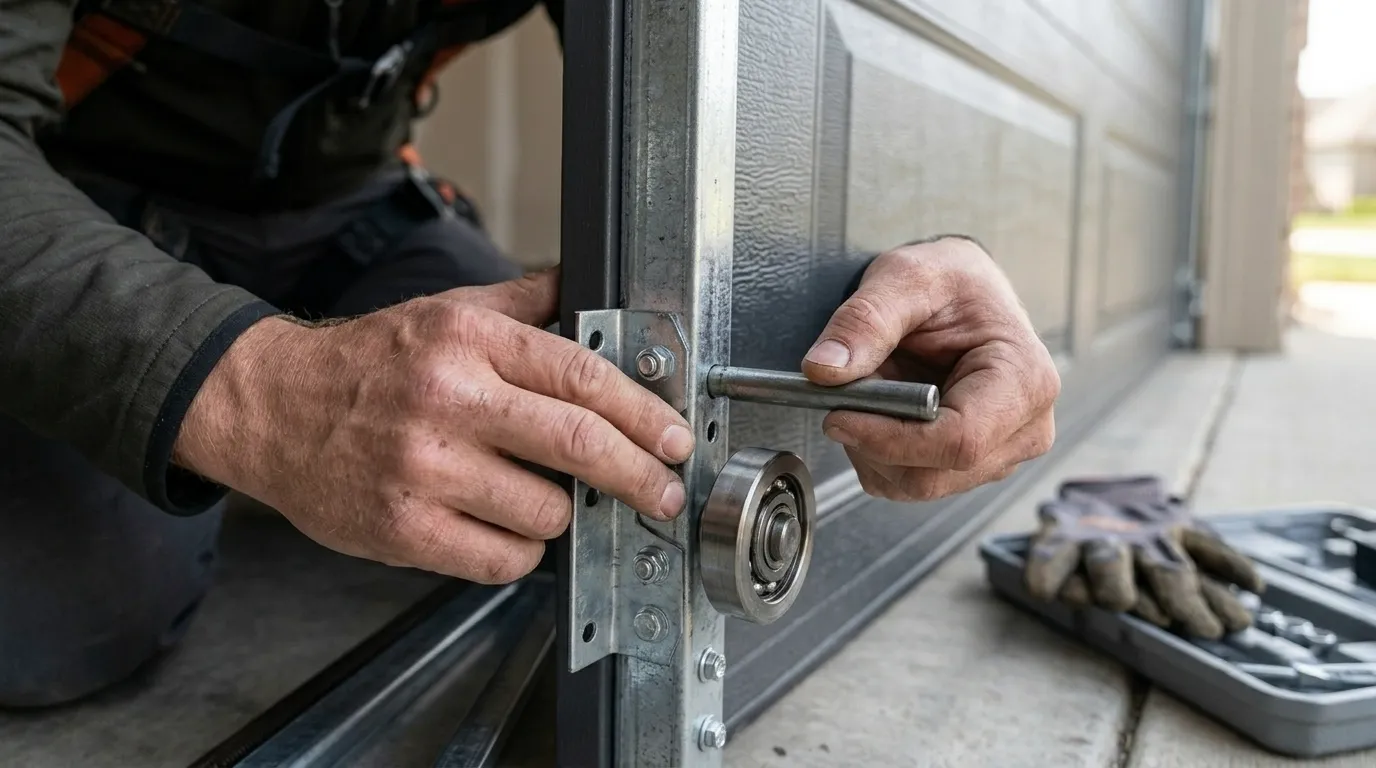
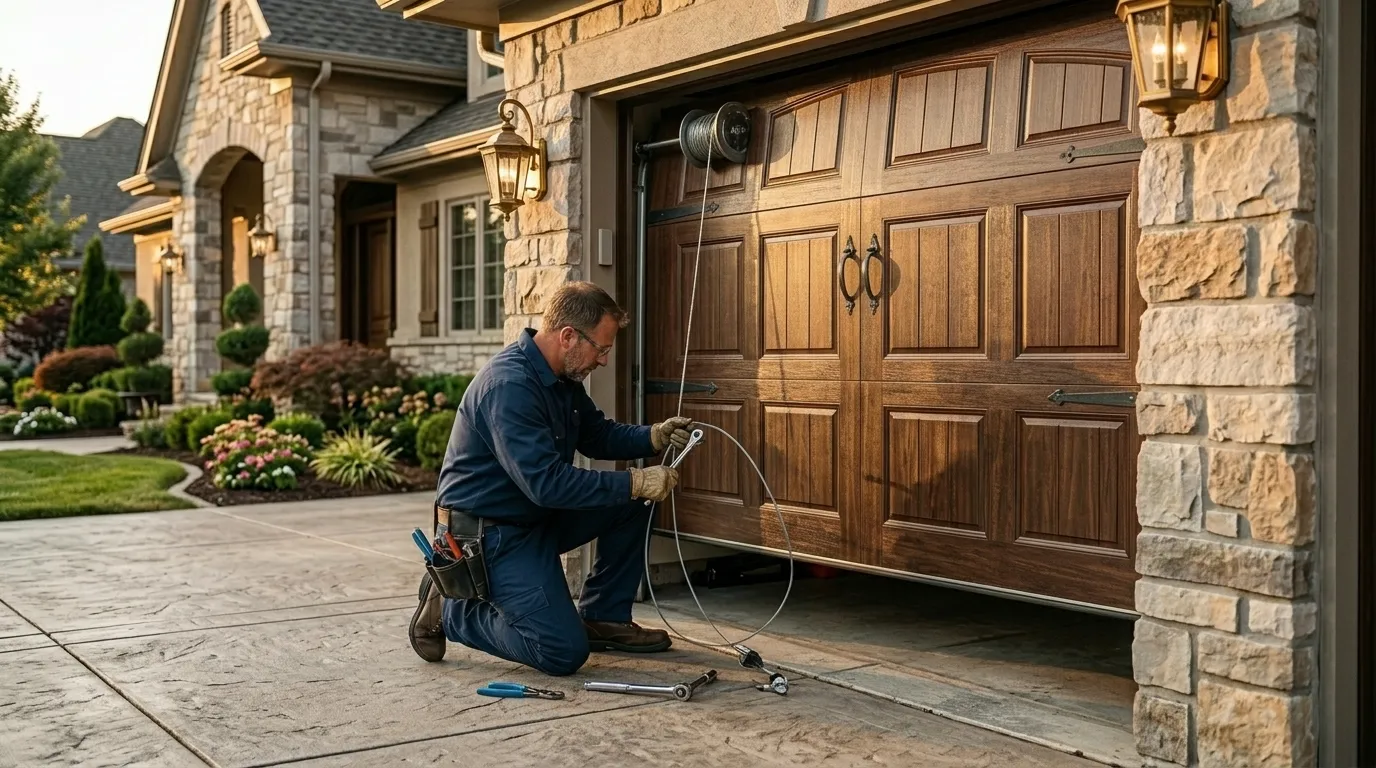
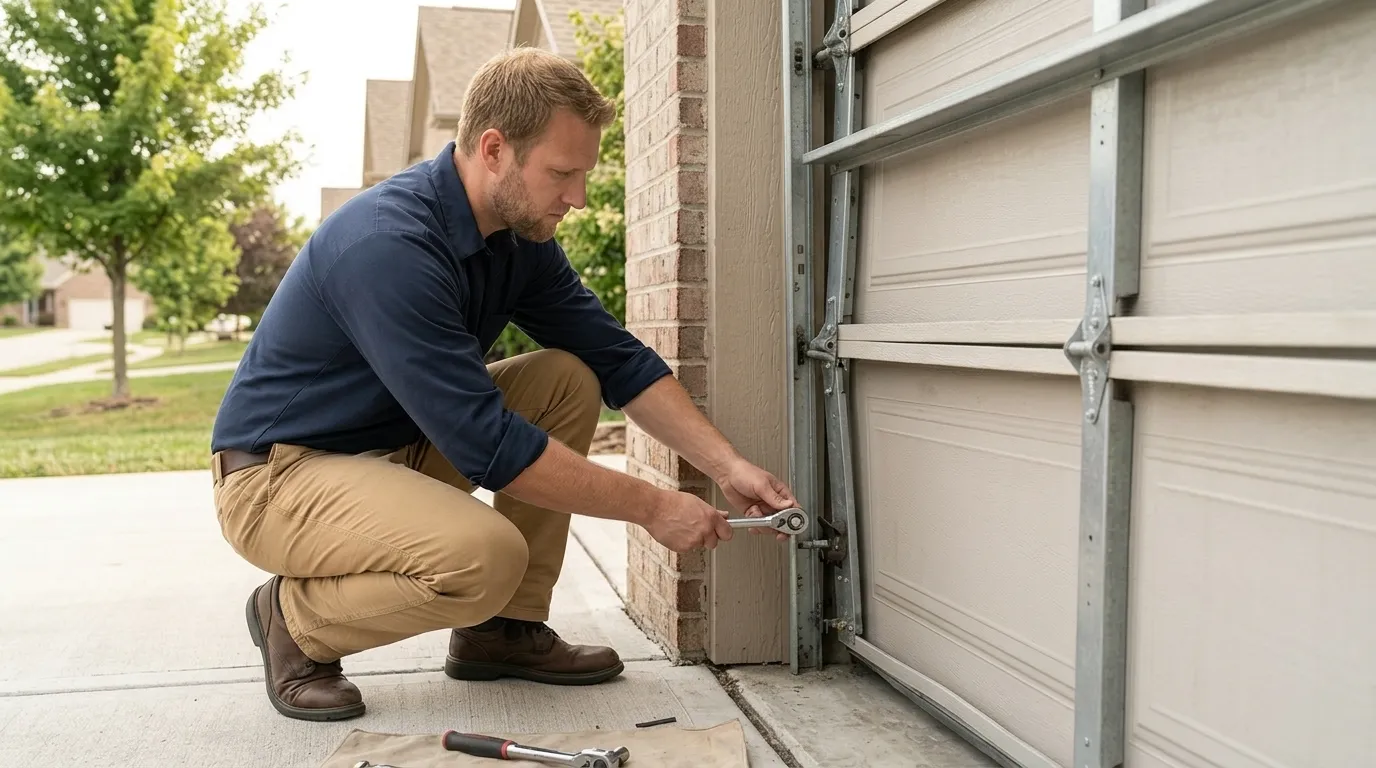
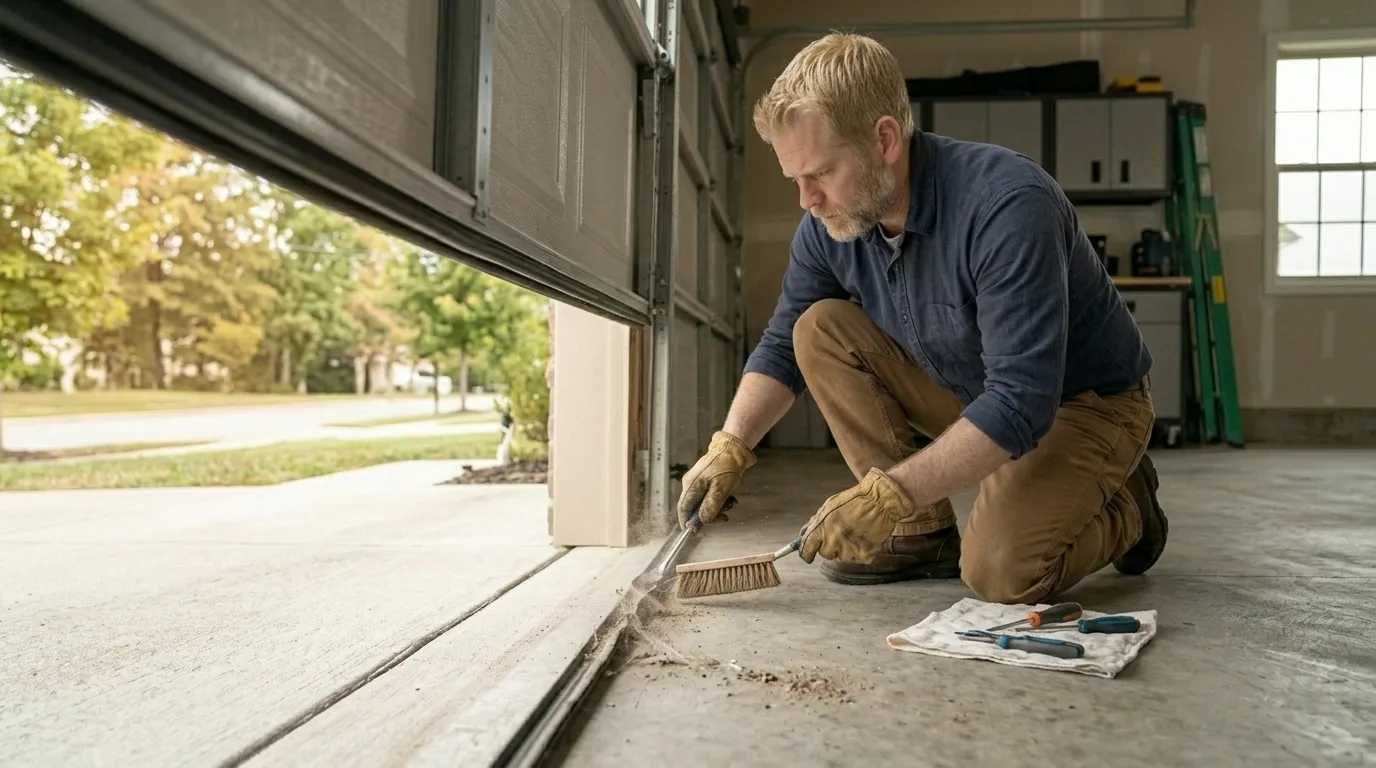
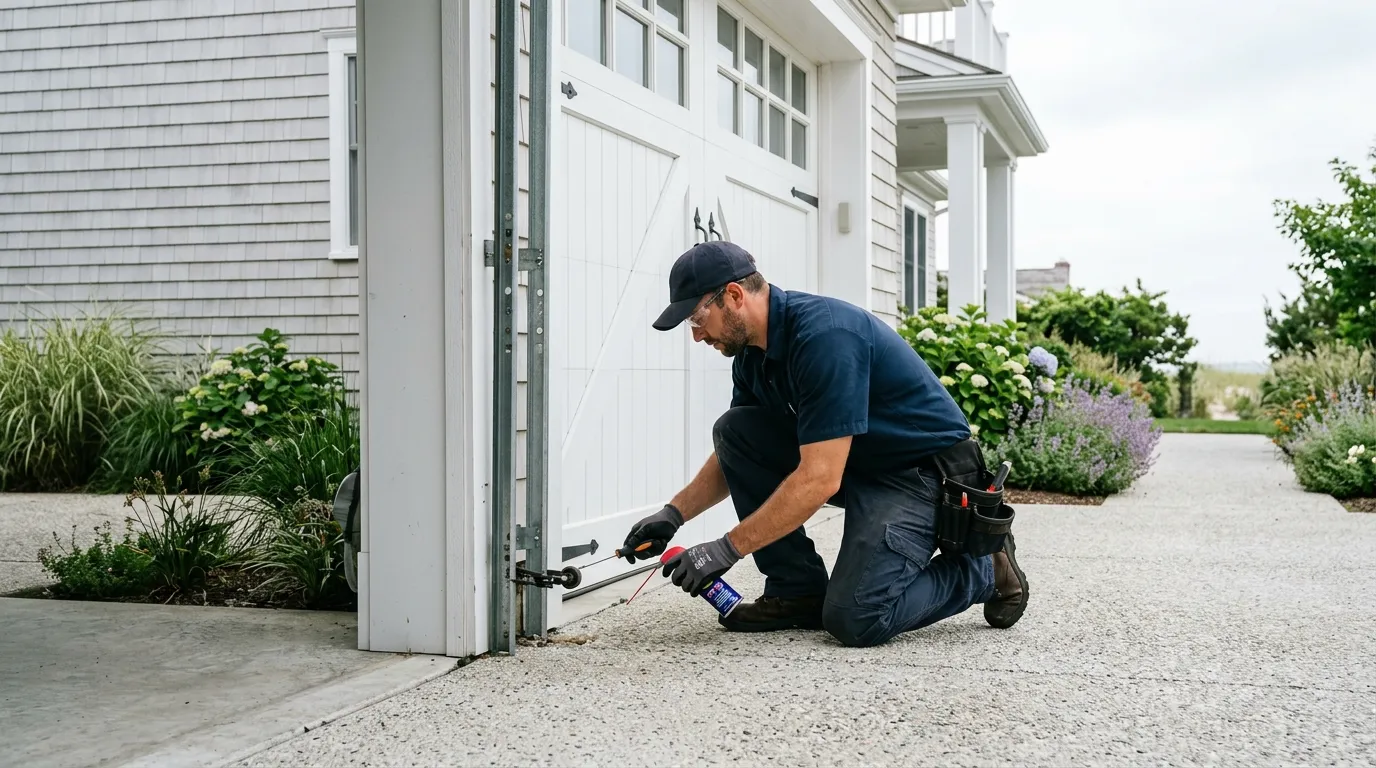
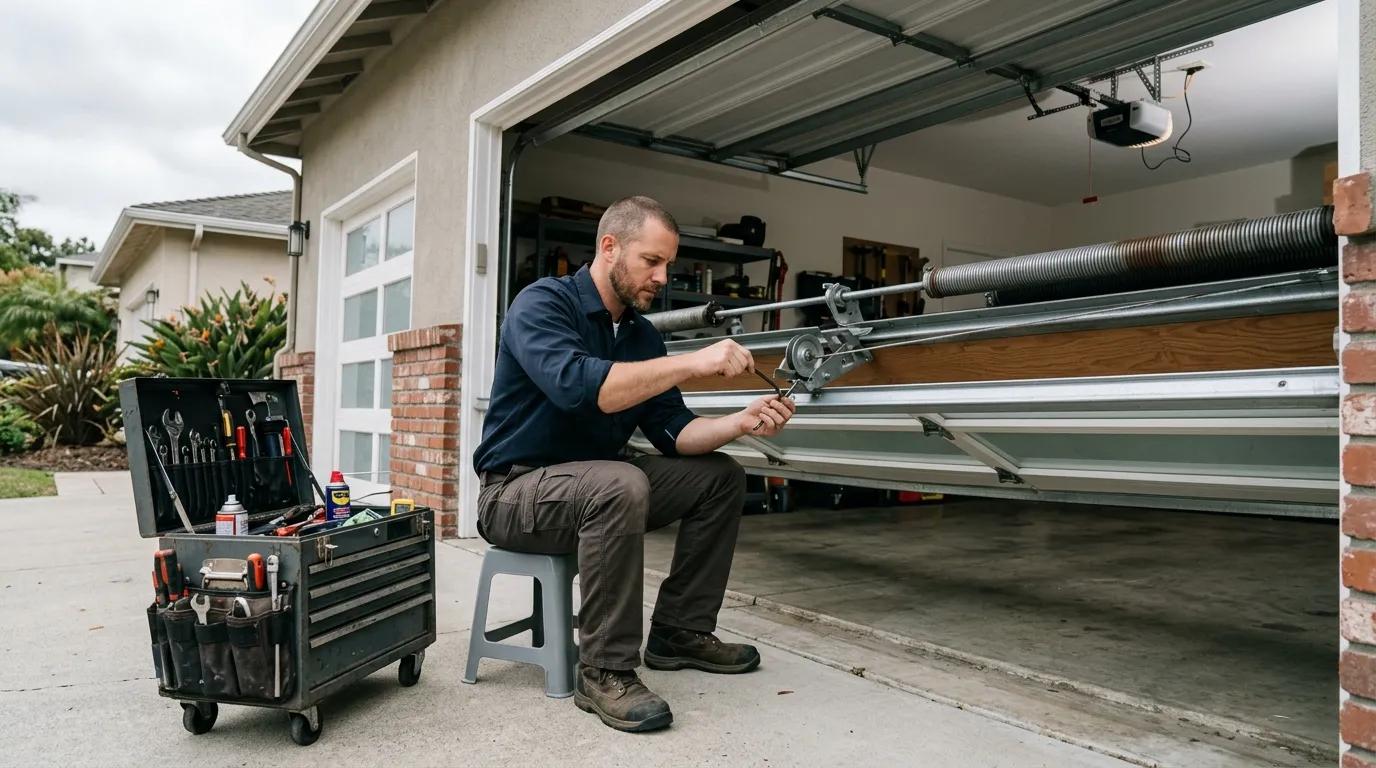
Rollers do the actual work of a garage door every single time it opens or closes, and they wear out before most people notice. Nylon rollers crack at the stem and start shedding little curls of plastic in the track. Steel rollers lose their bearing grease over the years and start grinding metal on metal, which chews up the track lining faster than anything else. On a lot of the doors around here - built in that 1975 to 1997 stretch, median year 1982 - the rollers are original or close to it, meaning they've made tens of thousands of trips up and down the same worn groove.
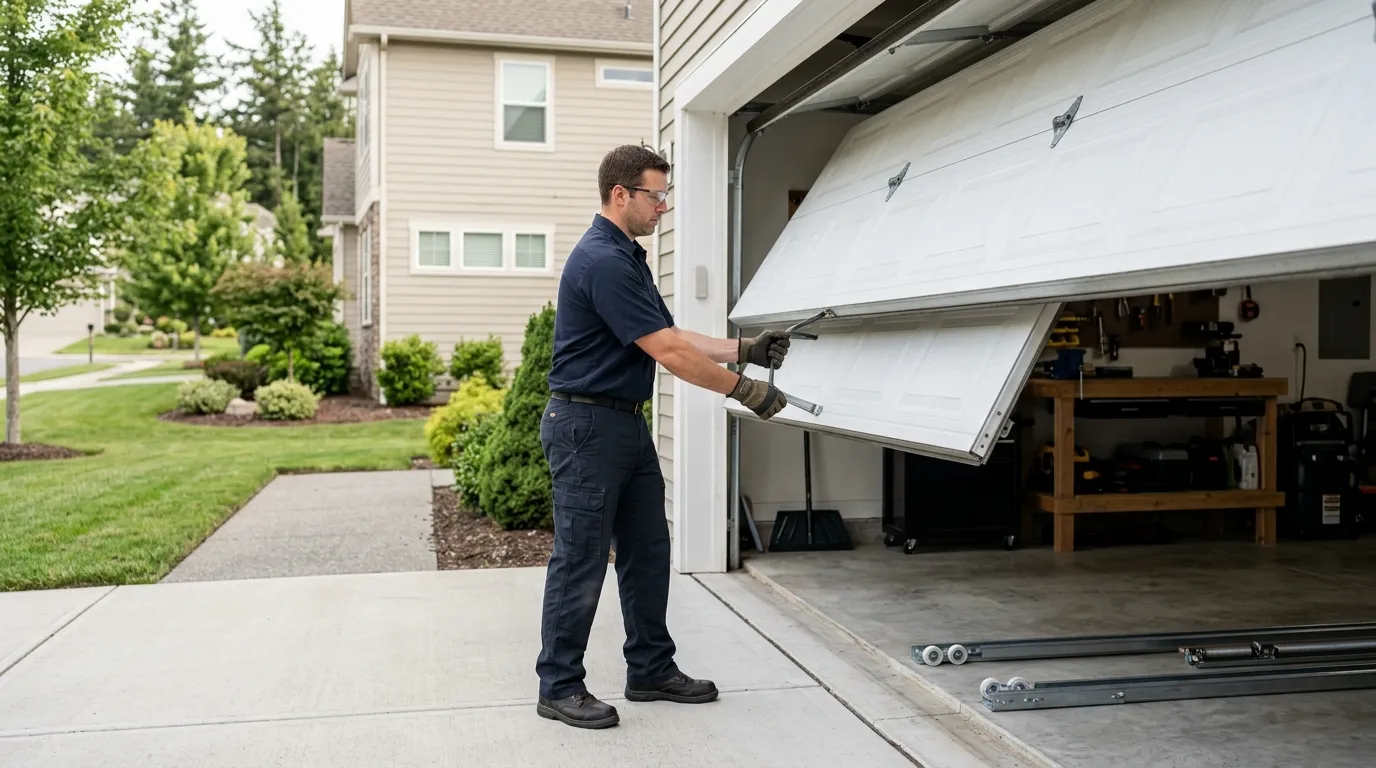
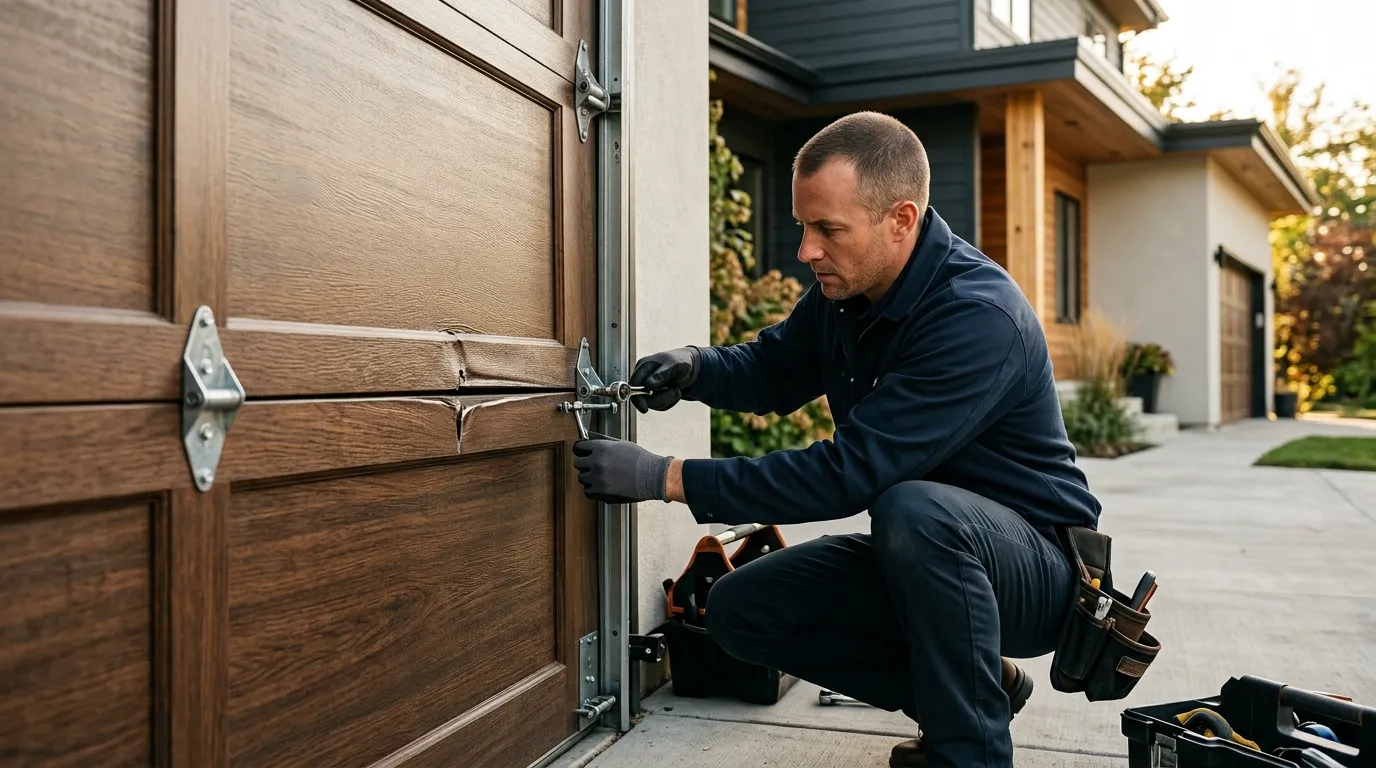
Once a roller stem bends, it starts pulling the door sideways in the track instead of straight up. That puts extra load on the opener, which then starts throwing codes or slipping the chain. Left alone, a bad roller eventually jumps the track entirely, and now you're not looking at a roller job anymore - you're looking at a bent track, a scraped panel, or a door that won't move at all. Catching it while it's still just a rough-running roller is the cheap version of this problem.
What It Costs
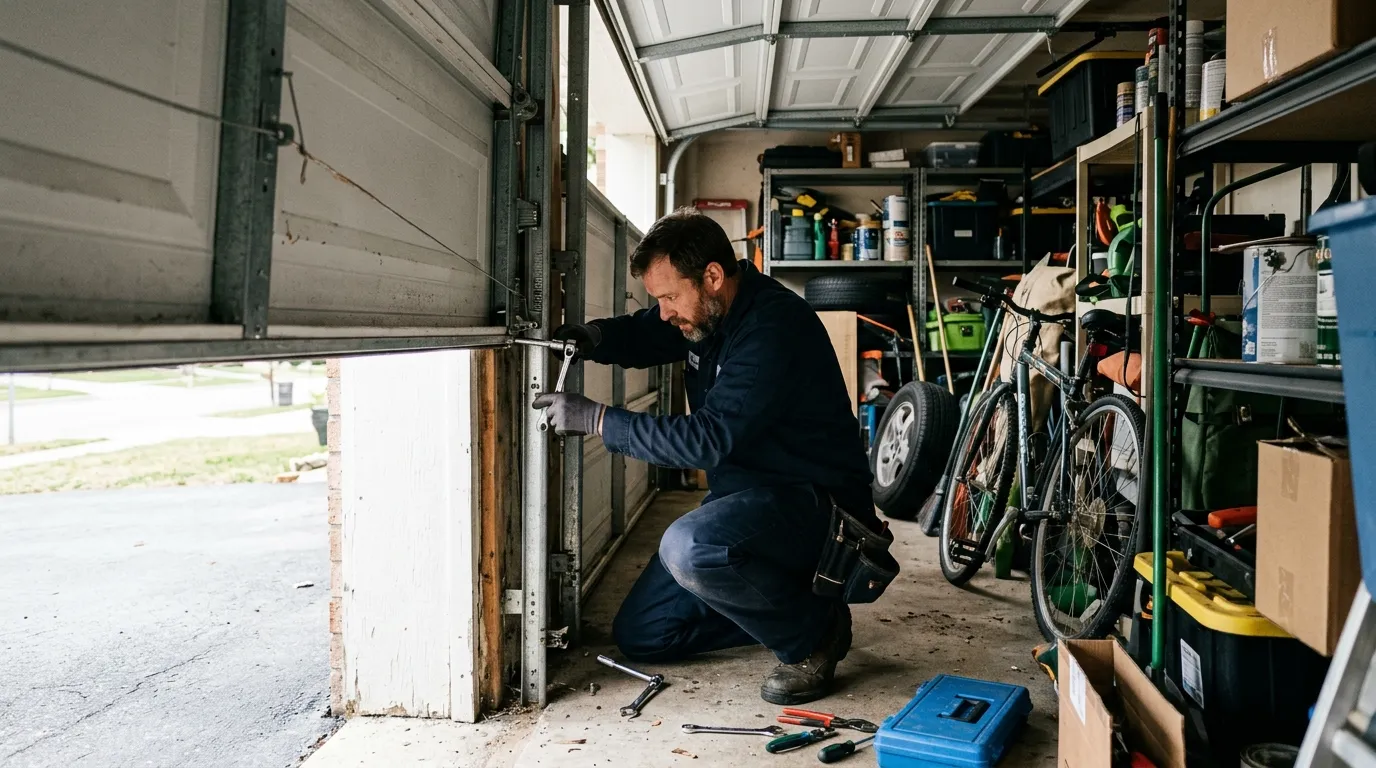
We're not going to throw a number at you here, because roller jobs vary more than people expect. A straightforward swap - same style roller, track in decent shape - is a short job. It gets bigger fast if the track itself is bent from the door riding rough for months, or if only some rollers are steel and some are nylon and we're matching hardware on an older door.
Here's the honest limitation: if you've got a bent track along with worn rollers, replacing the rollers alone won't fix the door. The track has to come back into alignment too, or the new rollers will wear the same way inside a year. We'll tell you straight during the call whether it's a roller-only fix or a roller-and-track job, because guessing on the phone just means a wrong estimate later.
Why It Happens Here
Most of the housing across this area went up between 1975 and 1997, with the median sitting around 1982, and that pattern holds across the five main neighborhoods that make up the bulk of the local stock. Doors installed in that window are now old enough that original rollers - whatever style the builder used at the time - are simply aging out. This isn't a Searcy-specific defect, it's a Searcy-specific age profile.
The cold-moderate climate band this area sits in adds to it. Rollers, especially nylon ones, contract in cold weather and expand in the heat, and that repeated cycle is what cracks the stem or hardens the wheel until it stops rolling smoothly and starts grinding instead. With 2,979 owner-occupied houses across the service area and a median household income of $43,811, most of the roller calls we get are from owners who want the existing door kept running rather than replaced outright, and for a door with sound panels and a straight track, that's usually the right call.