What Can Go Wrong
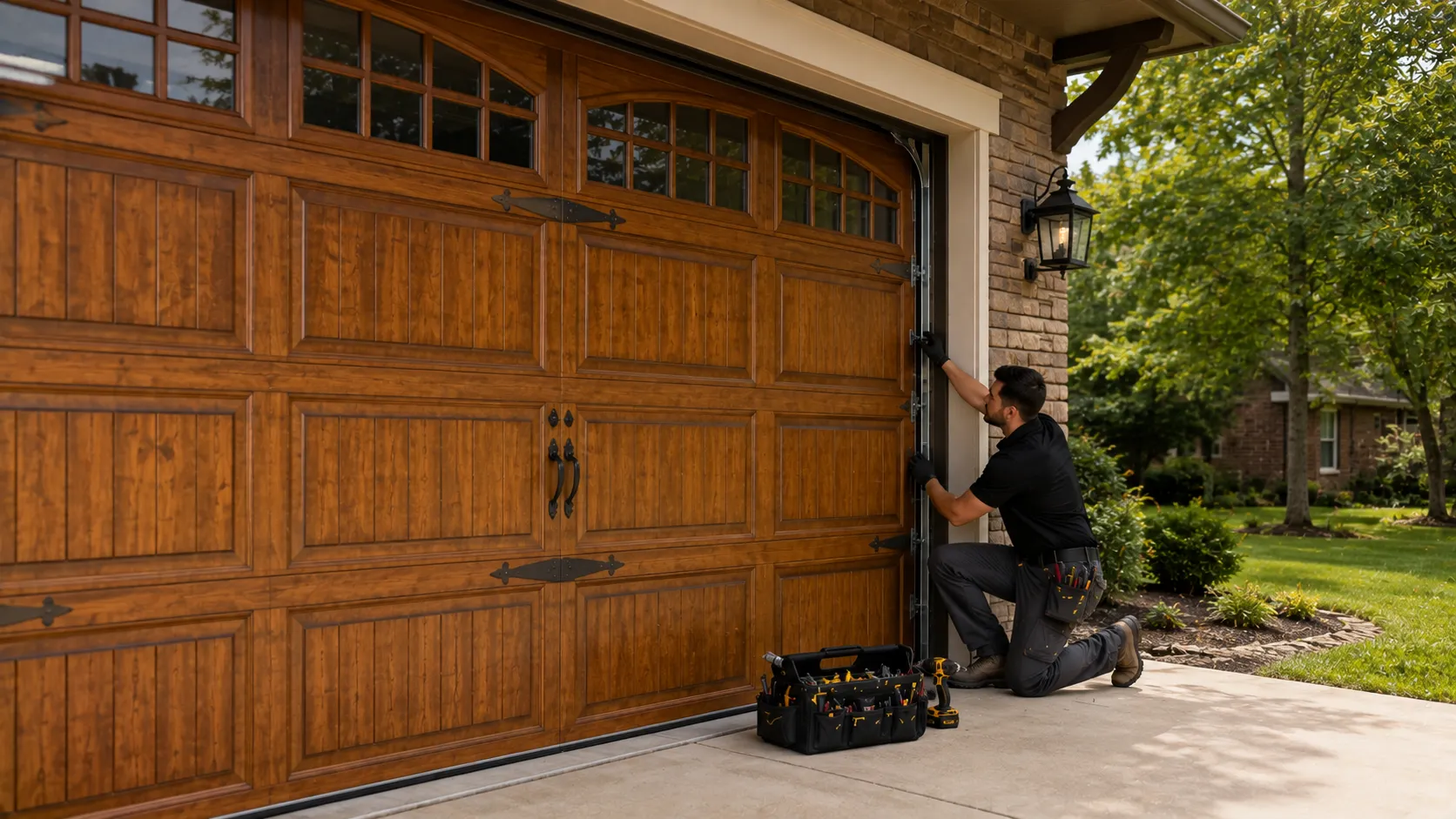
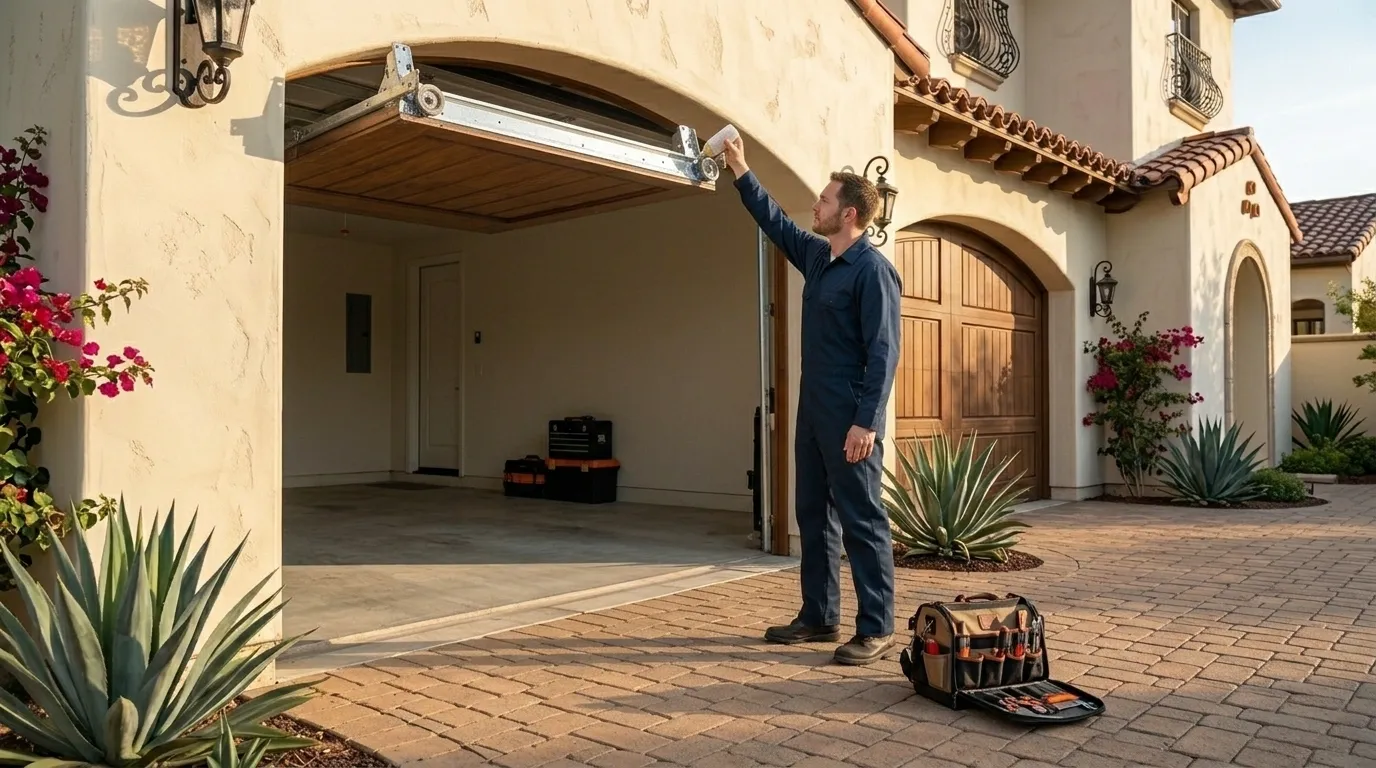
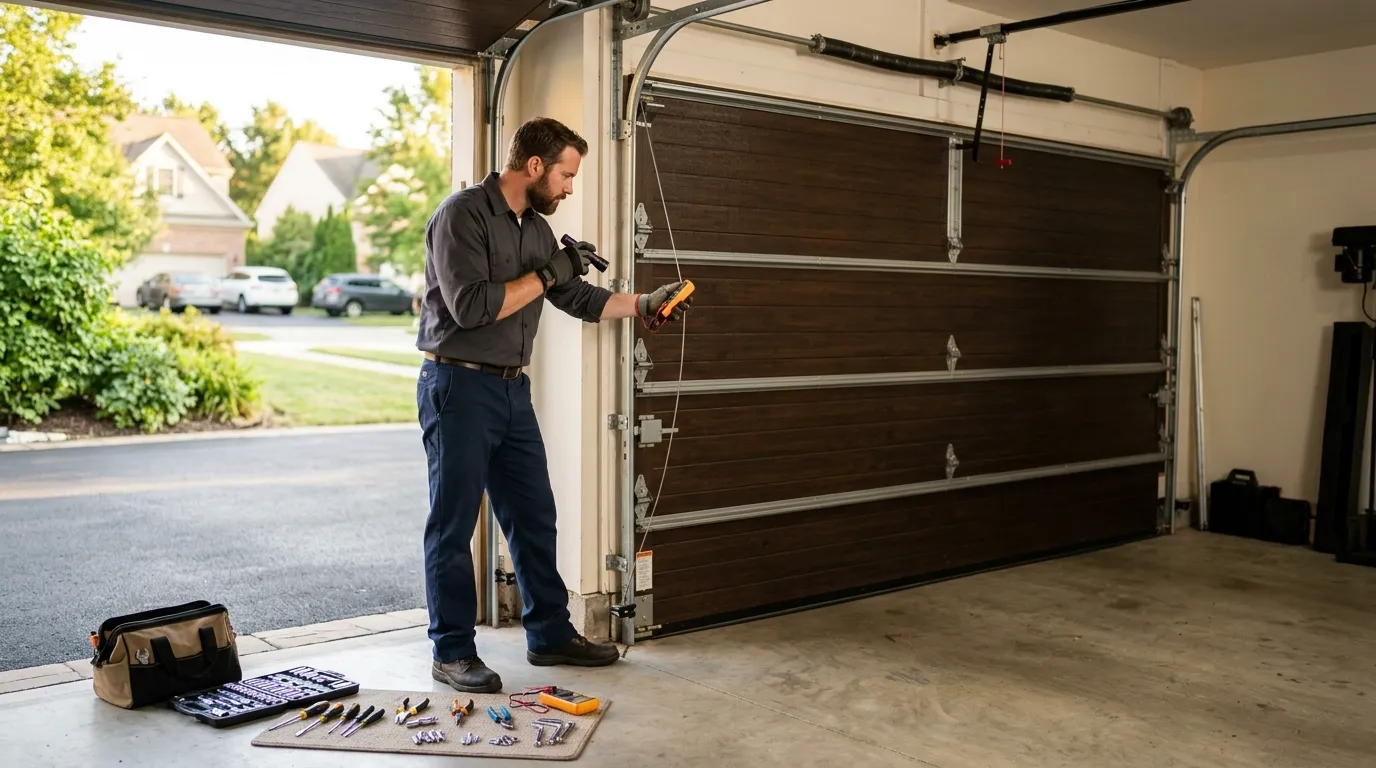
A garage door spring does one job: it counterbalances the weight of the door so the opener isn't lifting 150+ pounds on its own. When it fails, it fails in one of two ways depending on what's mounted on the door.
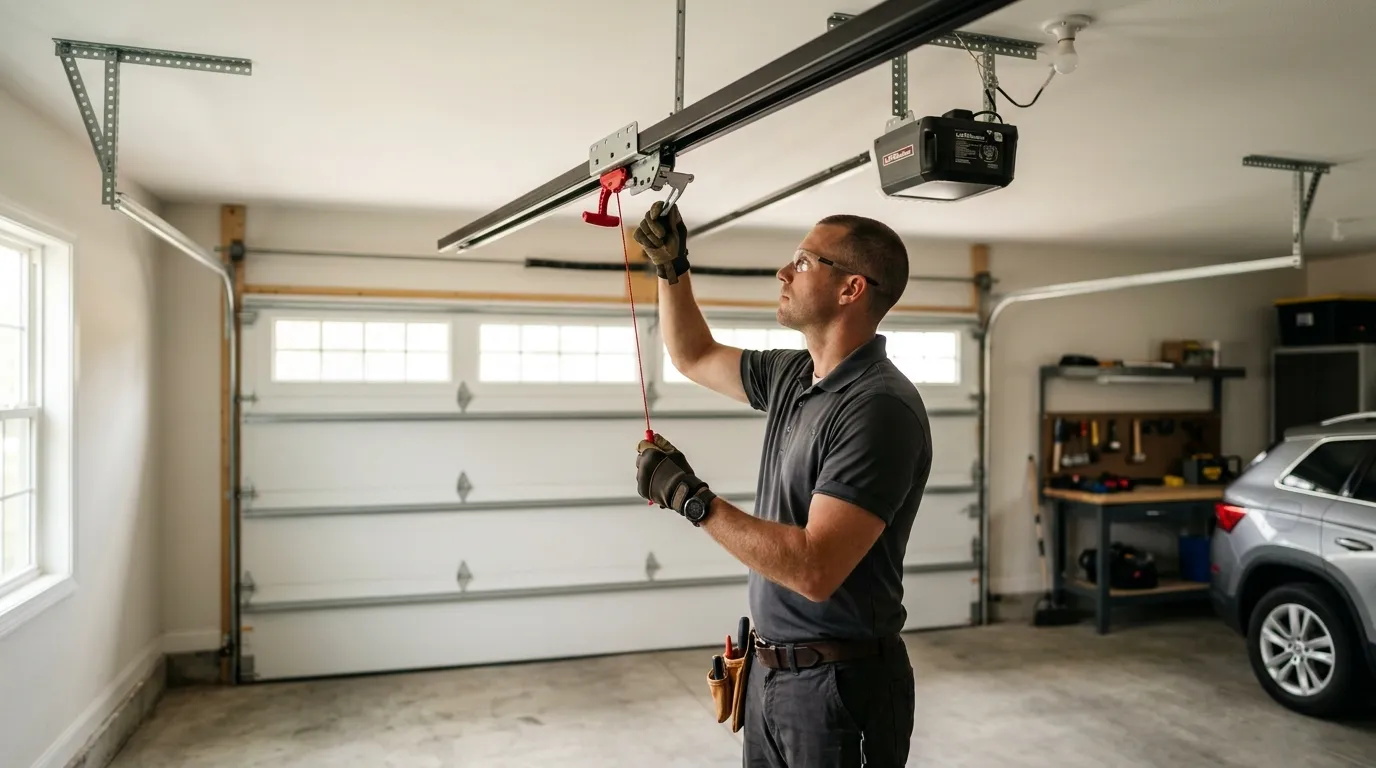
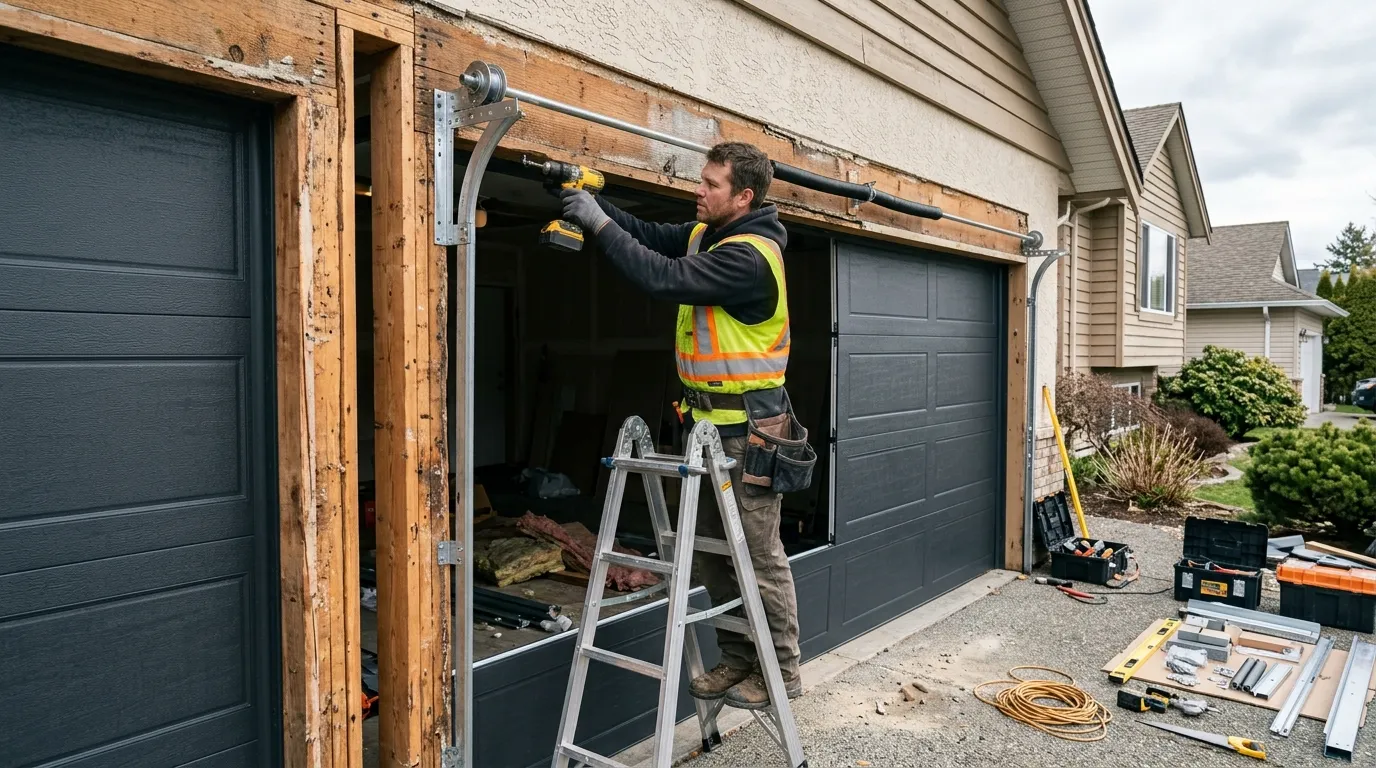
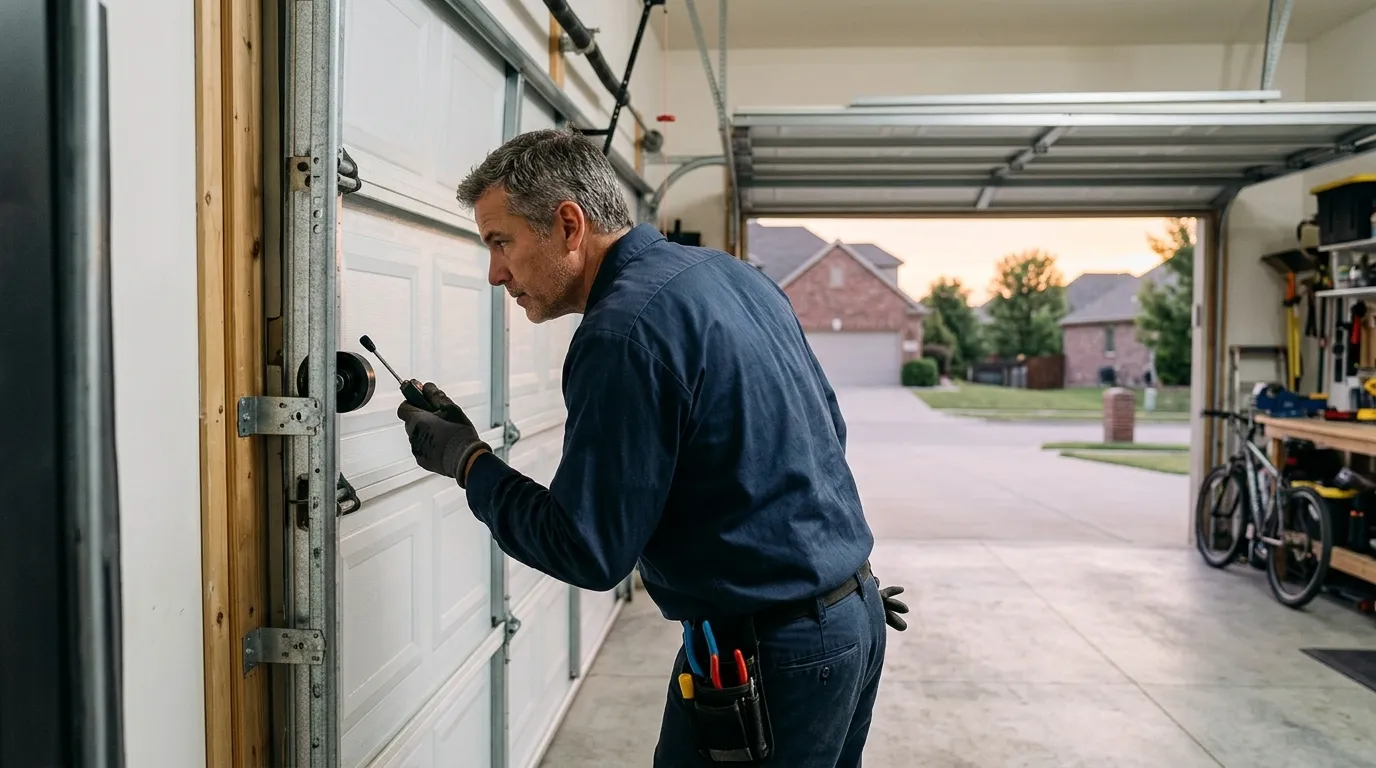
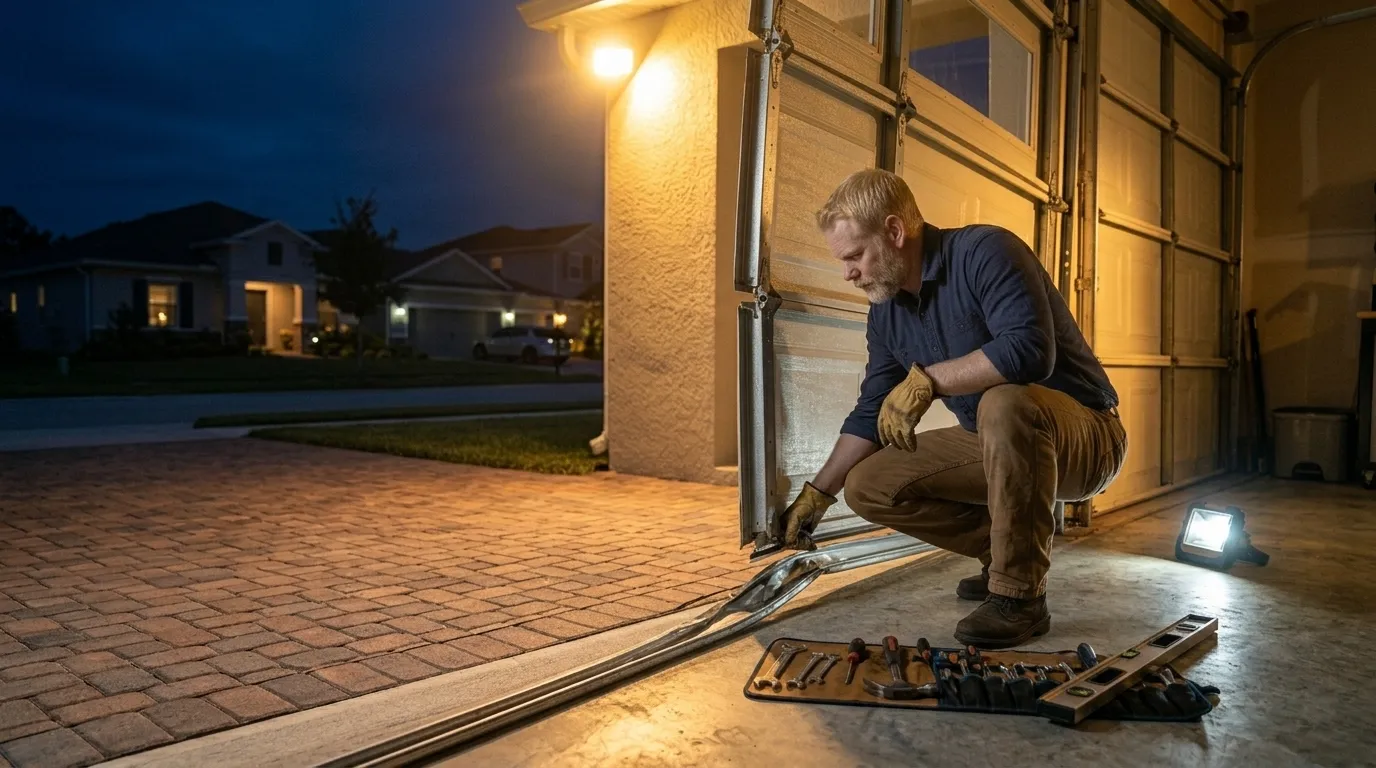
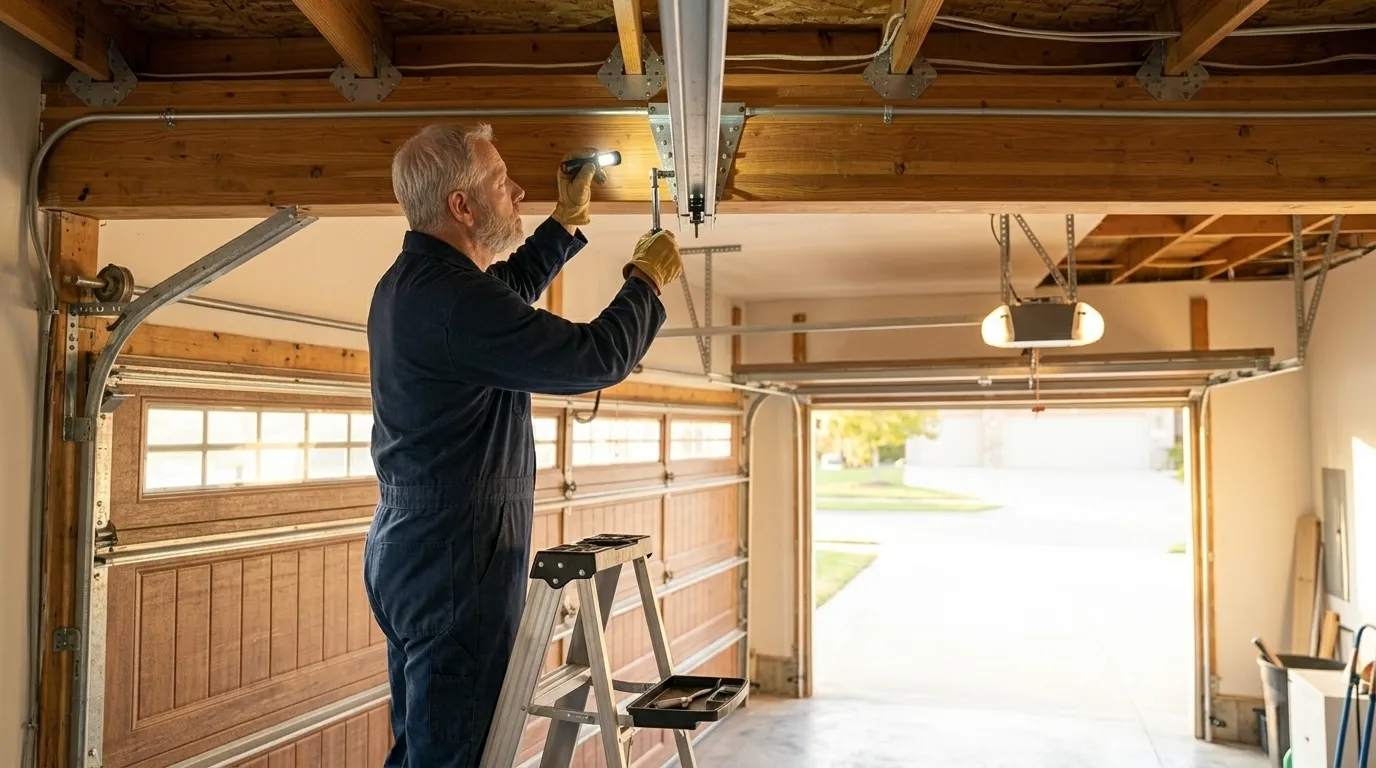
Torsion springs sit on a shaft above the door and unwind under tension until a coil snaps, usually with a bang loud enough to bring someone running from another room. Extension springs run along the horizontal tracks and stretch instead of twist - they tend to fail slower, with visible gaps opening between coils before the spring lets go outright.
A lot of the doors we get called out on in this area still carry their original spring, because whoever installed the door in 1985 or 1990 sized it once and nobody's touched it since. Springs are rated in cycles, not years, and a cycle-rated spring that's been opening and closing twice a day for three decades has done its math already. It's not a question of if it breaks, it's when.
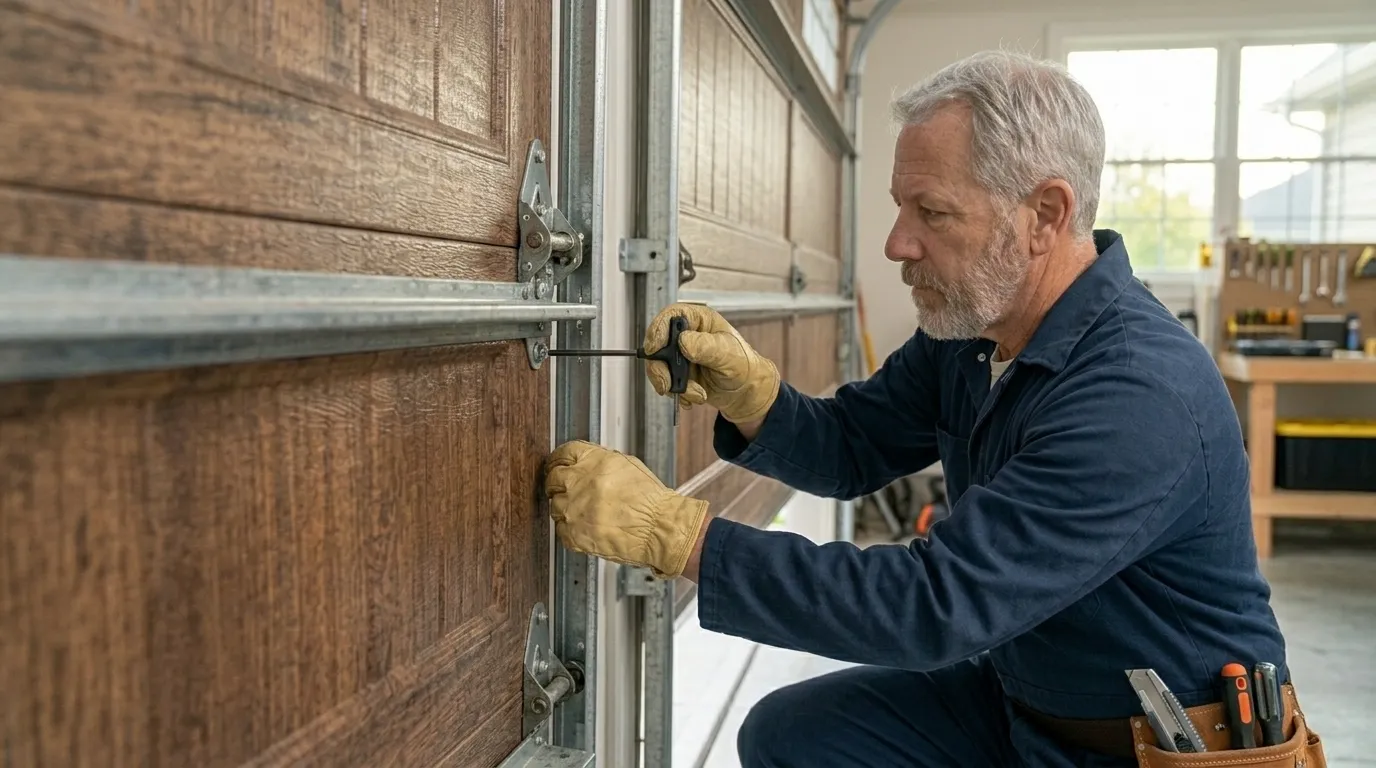
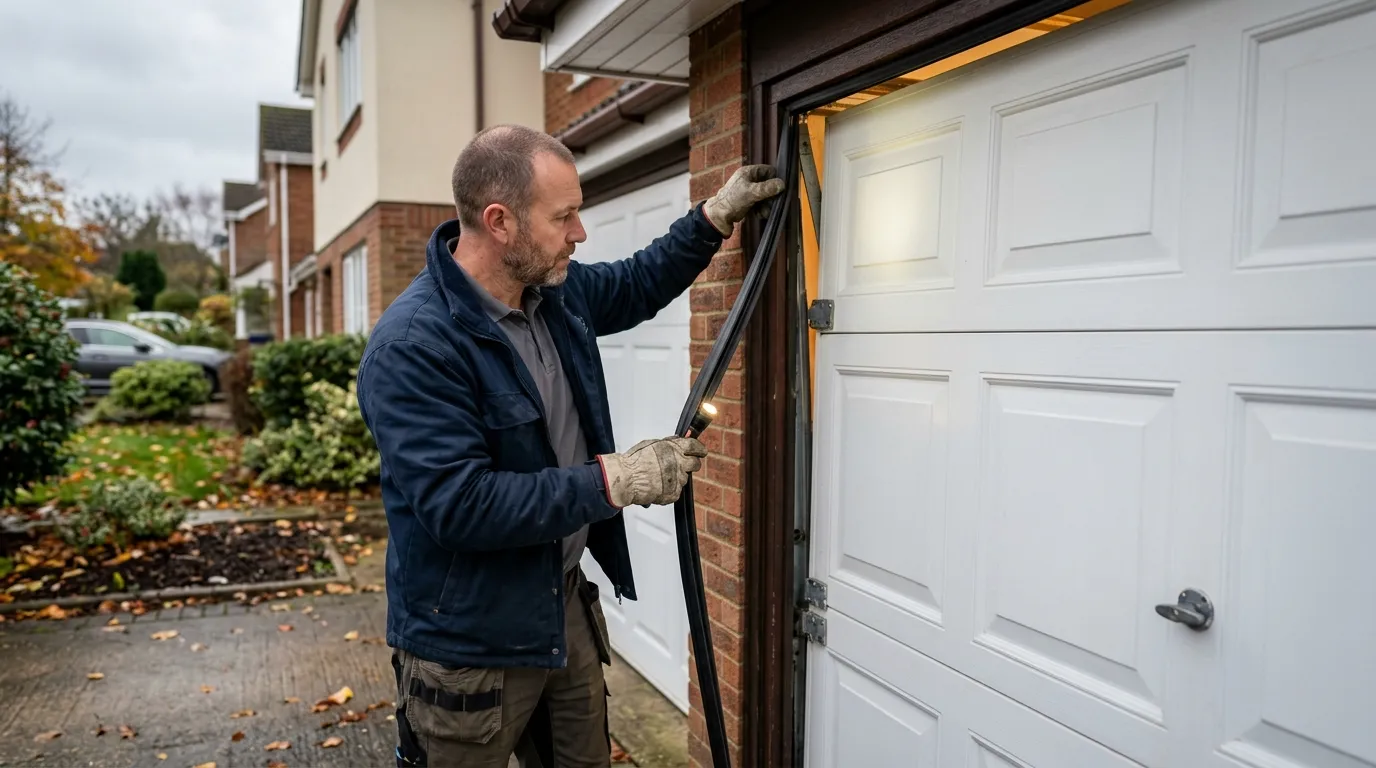
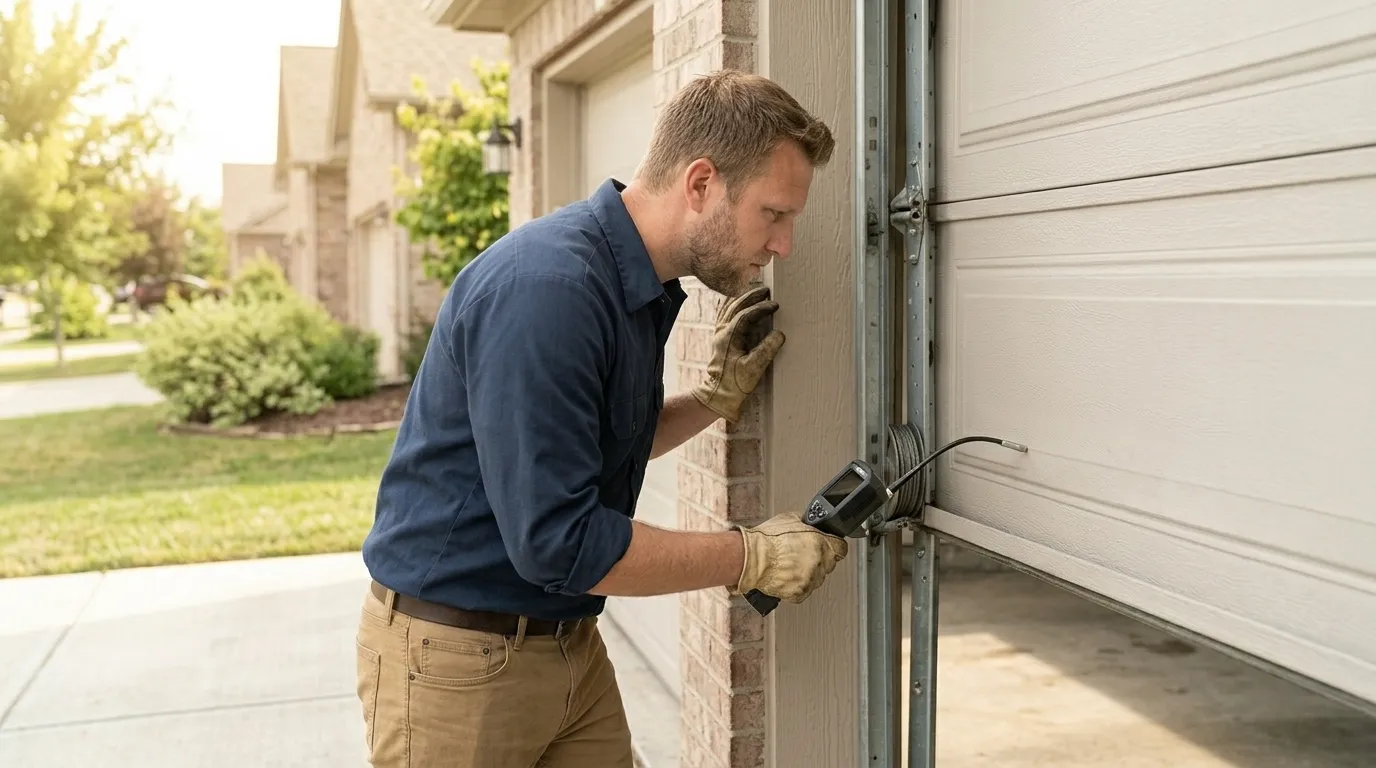
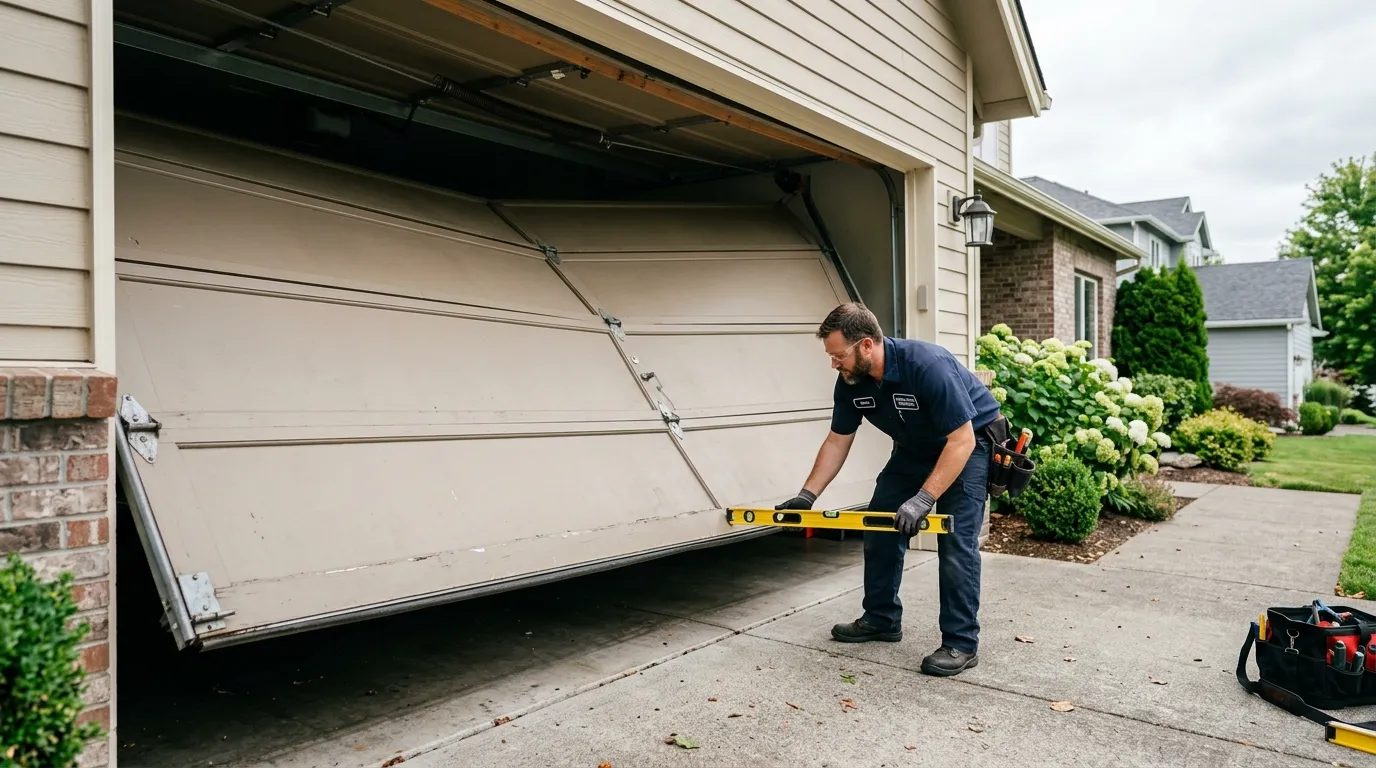
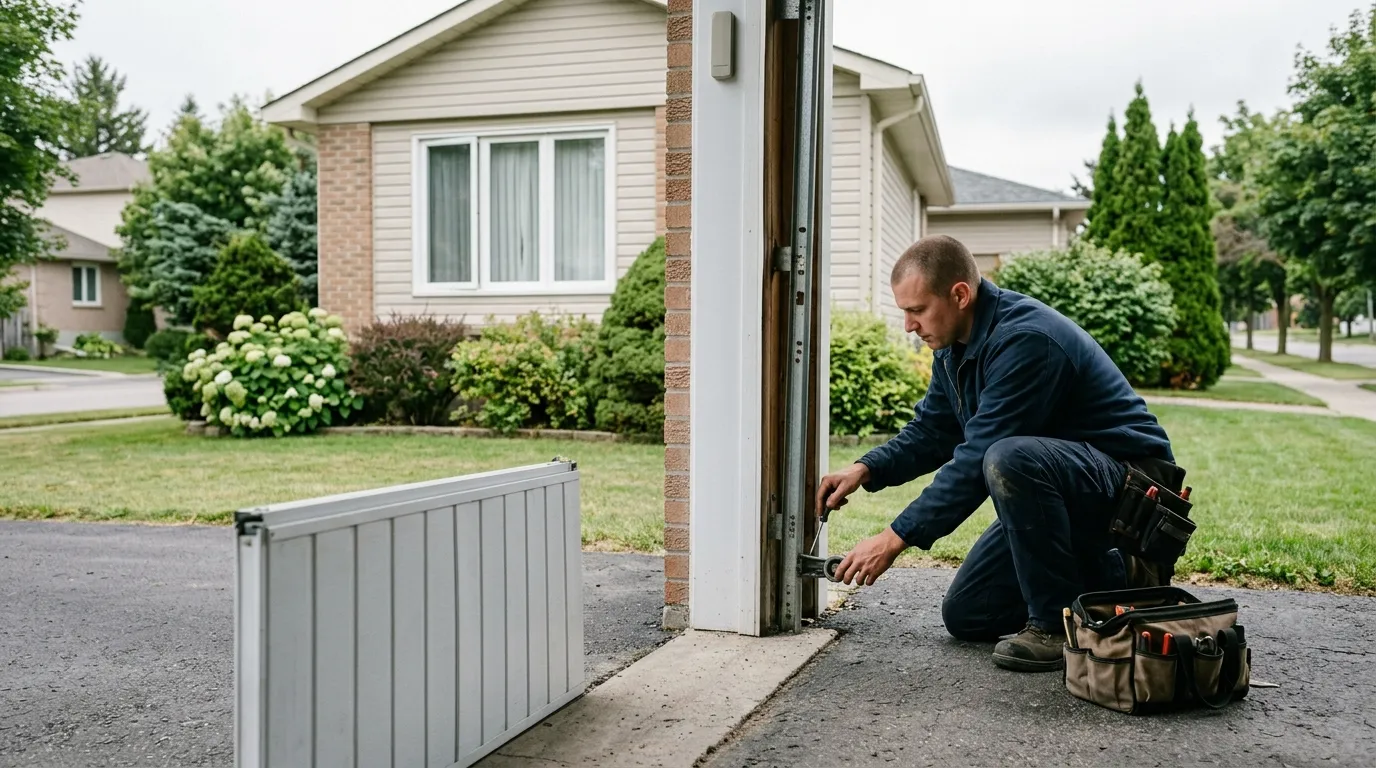
We also see cable failure that looks like a spring problem - a frayed or snapped cable lets the door drop unevenly, and it can mimic a broken spring closely enough that people call it in as one. Worth mentioning up front so you're not surprised if that's what we find instead.
What It Costs
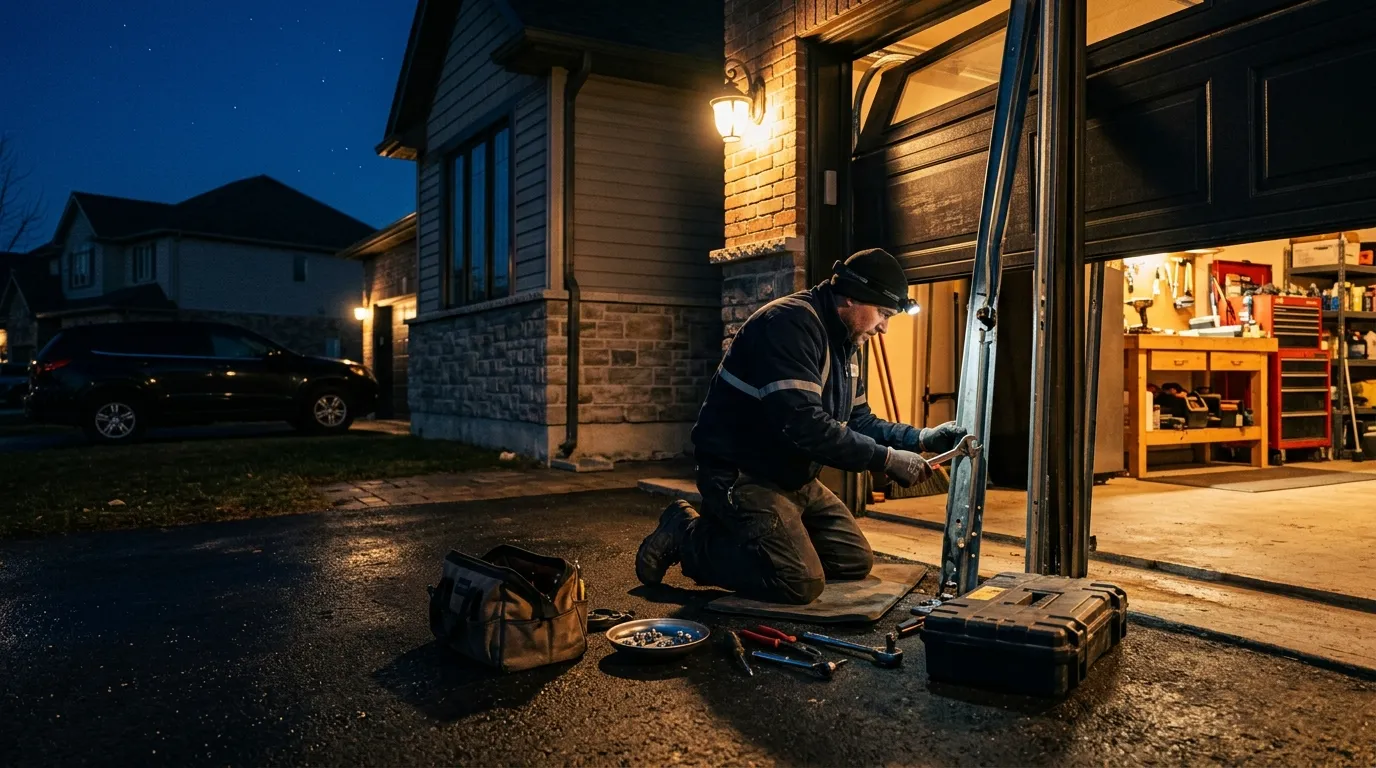
We're not going to throw a number at you here that doesn't match what's actually wrong with your door, because spring jobs vary more than people expect. A single torsion spring on a lightweight aluminum door costs less to replace than a matched pair on a heavy insulated double door, and if the spring snapped hard enough to bend a bottom bracket or kink a cable on the way down, that's added parts.
What we can tell you: replacing a spring almost always costs less than replacing the door it's attached to, and it's rarely worth putting off once one side has gone, because the other spring on a double-torsion setup is usually close behind it in cycle count. If you've got a matched pair from the same install date and one breaks, we'll tell you straight whether the second is worth doing at the same time instead of paying for a second call in a few months.
One honest limit: if your opener or track hardware is old enough that matching parts aren't stocked anymore, sometimes the more sensible move is a full door replacement rather than nursing along a spring repair on hardware that's on its way out anyway. We'll say so if that's what we're looking at instead of running up a bill on a door that's done.
Why It Happens Here
Most of the housing in this service area went up between 1975 and 1997, with the typical build year landing around 1982, and across the five main residential pockets we cover, the stock is overwhelmingly 1980s and 90s construction. That matters for springs specifically because a lot of these homes still have their original torsion hardware, sized to whatever spec was standard when the house was framed - not necessarily what's easy to match off the shelf today.
The area also sits in a cold moderate climate band, which means real seasonal swings rather than a mild year-round temperature. Steel spring wire under tension fatigues faster with wider temperature swings, so a spring here does more cycles of stress than the same spring would in a place with a flatter climate curve.
There's an economic piece too. With median household income in the area around $43,811, a lot of homeowners are running their original door and opener as long as it'll go rather than replacing it preemptively - which is a reasonable call, but it does mean springs get run closer to true failure than to scheduled replacement. Across the roughly 6,049 households here, with 2,979 of them owner-occupied houses, that adds up to a lot of original 1980s hardware still doing its job every day until the day it doesn't.