How Long You Are Without the Door
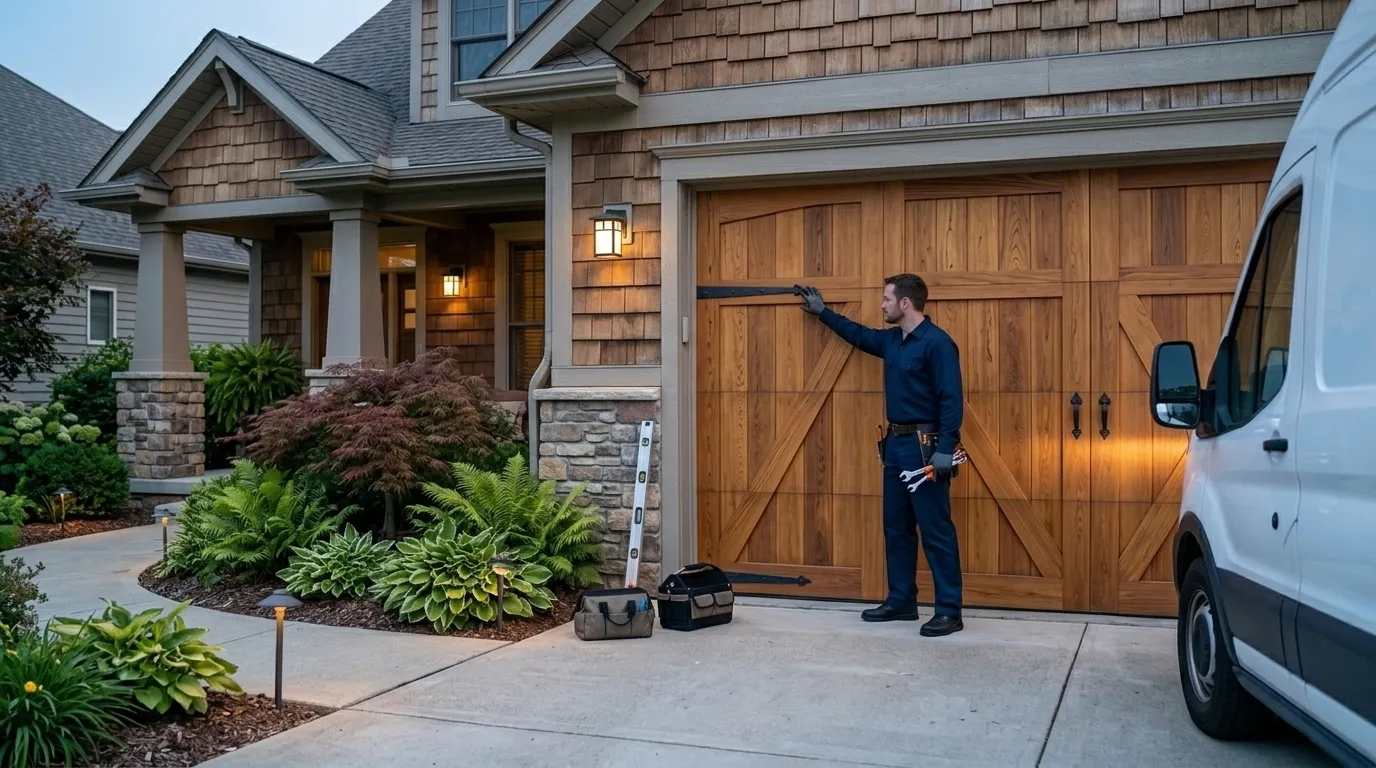
Kensett is a small place, about 731 households, which means a broken cable doesn't happen ten times a week the way it might in a bigger town. It happens rarely enough that most people have no idea what a snapped lift cable actually looks like until it's their door stuck halfway up with a car underneath it. We come out from Searcy, four miles up the road, so you're not waiting on a crew that has to cross the county. Once we're on-site, a single cable job on a torsion or extension setup is usually a same-visit fix, not a multi-day repair, unless a spring or drum failed at the same time and we have to source a part that isn't on the truck.
Because the town is small, we're not scheduling around a dozen jobs stacked on top of each other here the way we might in a bigger service area. That's the trade-off of size: fewer jobs, but each one usually gets full attention without another call pulling the tech off mid-repair.
Booking a Visit
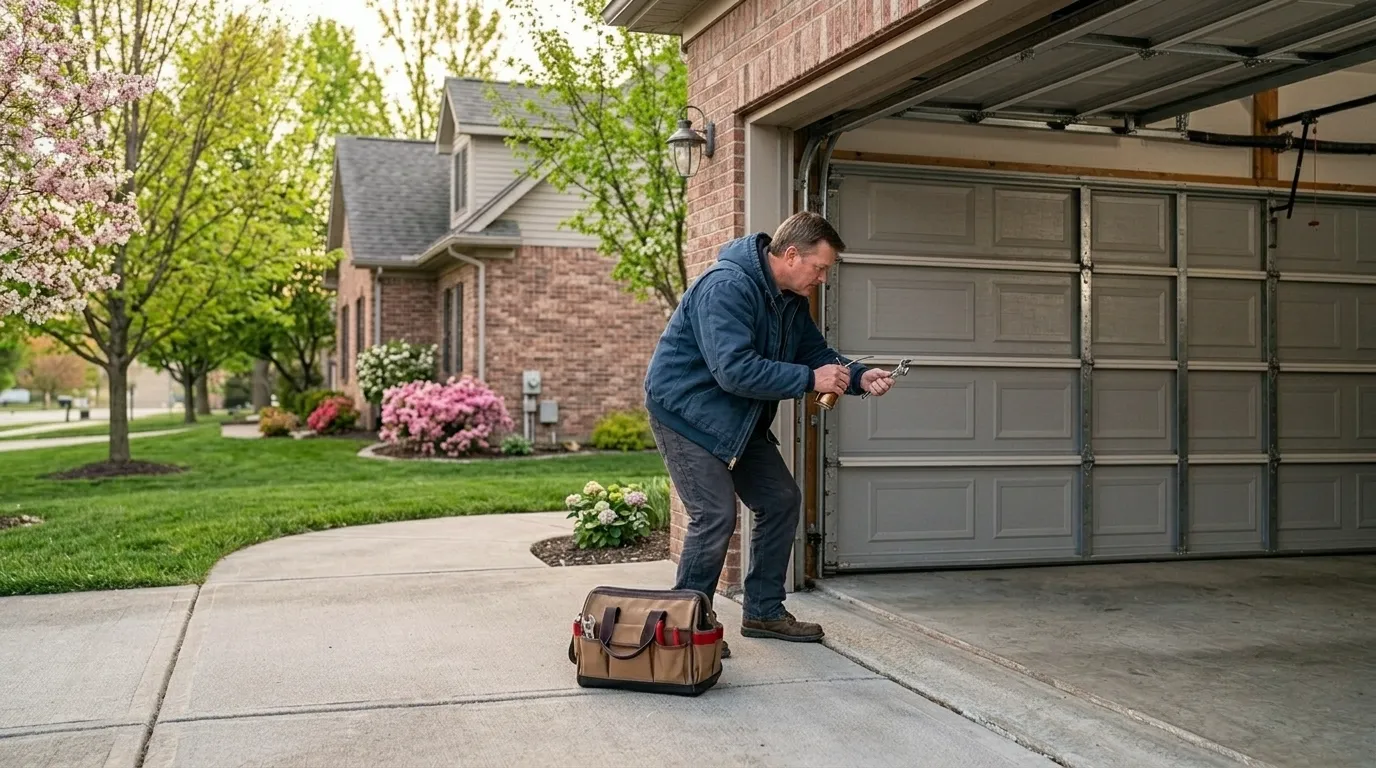
Tell us what the door is doing - won't open at all, opens a few inches and stops, one side hangs lower than the other - and whether you heard a bang or a snap. That one detail changes what's in the tech's bag when the truck leaves Searcy. If you can, snap a photo of the cable itself, even a blurry one through the garage window. It tells us if we're dealing with a frayed strand near the drum or a full separation at the bottom bracket, which is a different repair.
We don't operate a branch office in Kensett - every job here is a dispatch out of Searcy, four miles away, so we ask for a little flexibility on the exact hour rather than a tight window. Median household income in this area runs lower than in Searcy proper, and we'd rather quote the job accurately over the phone than surprise anyone once the truck is in the driveway.
What the Fix Involves
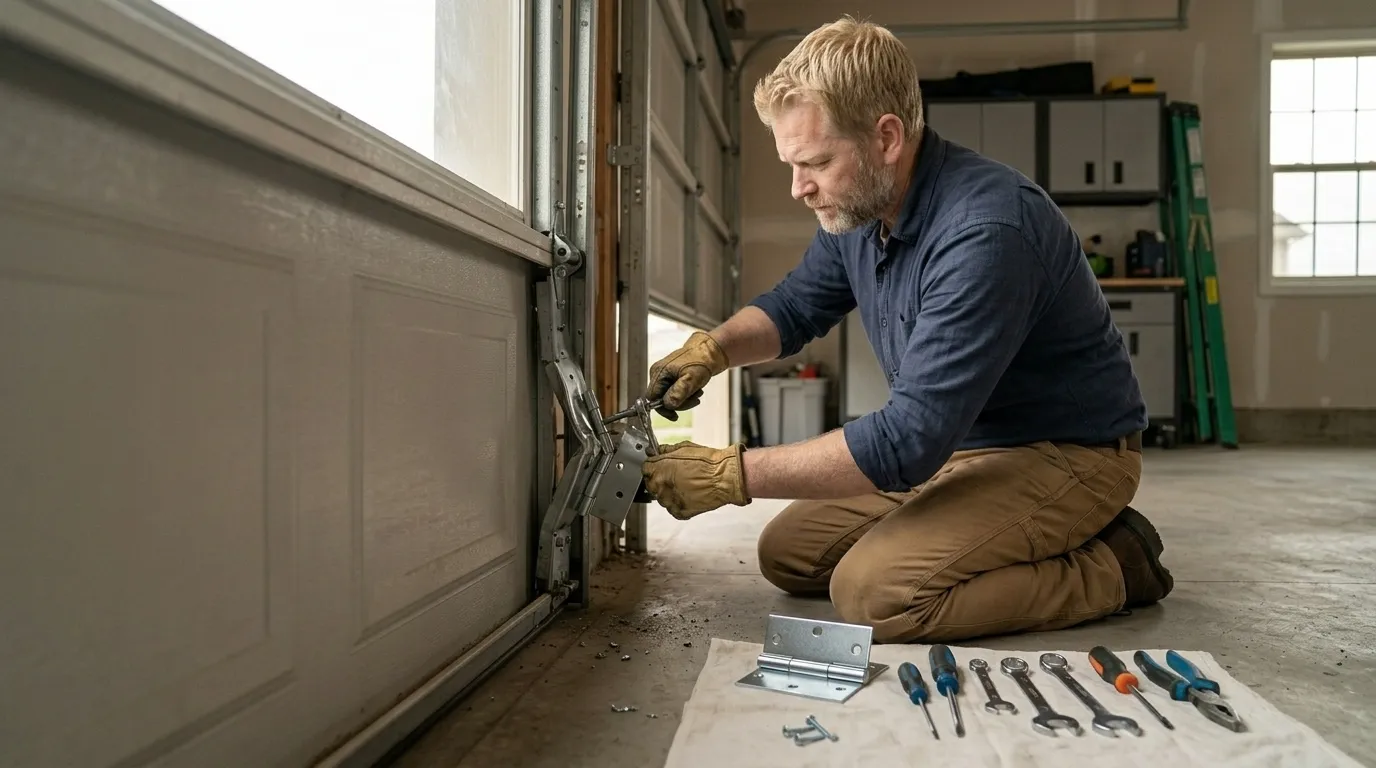
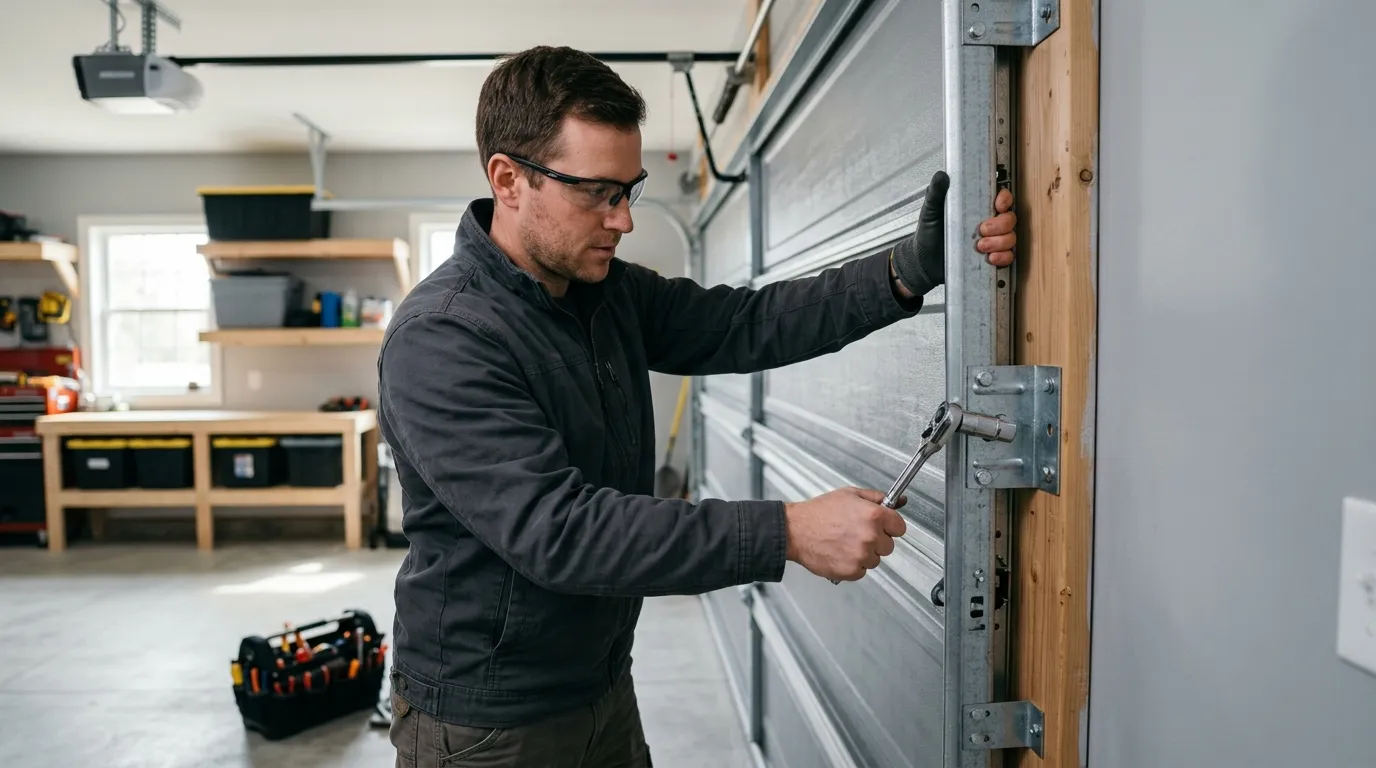
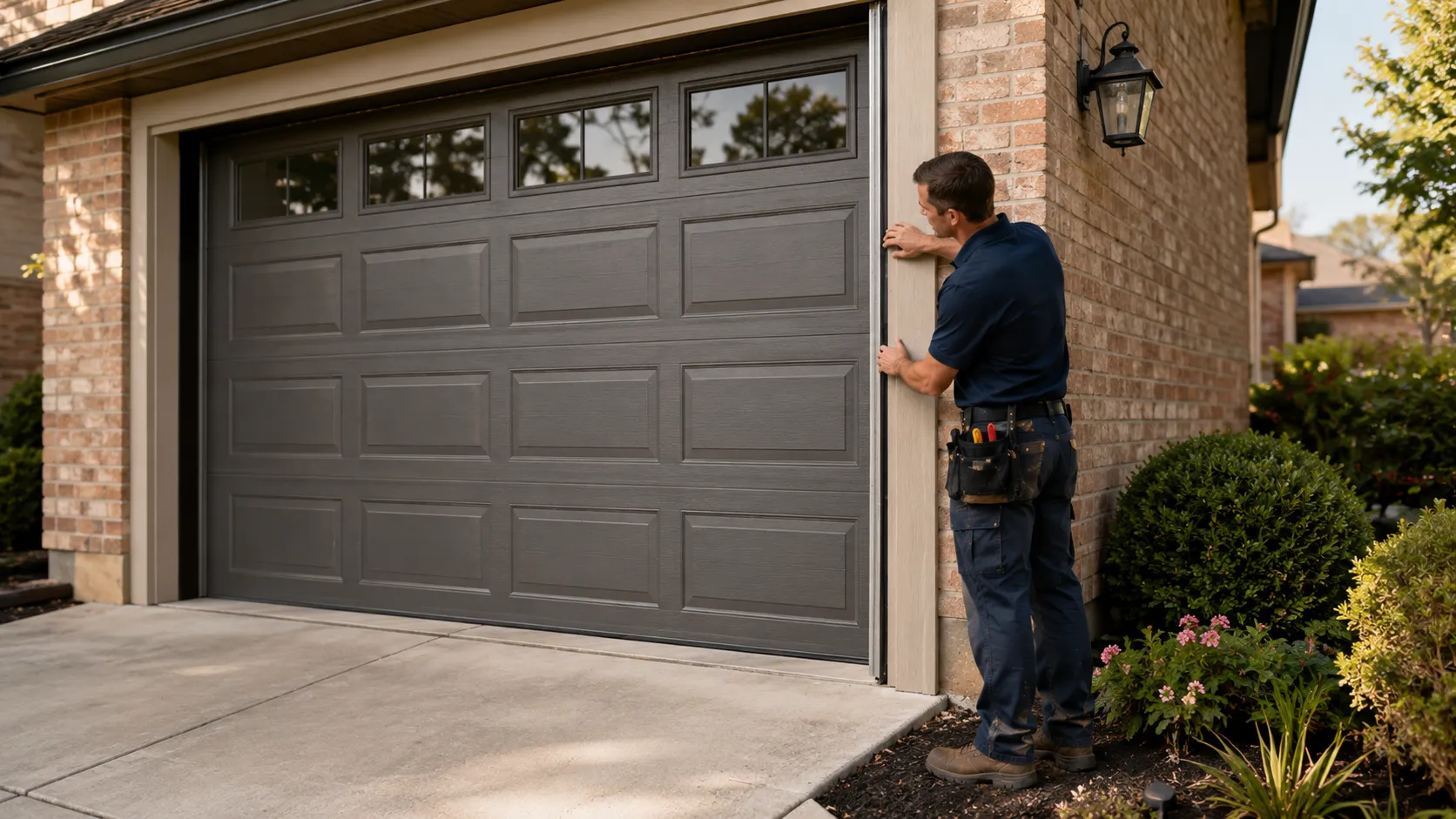
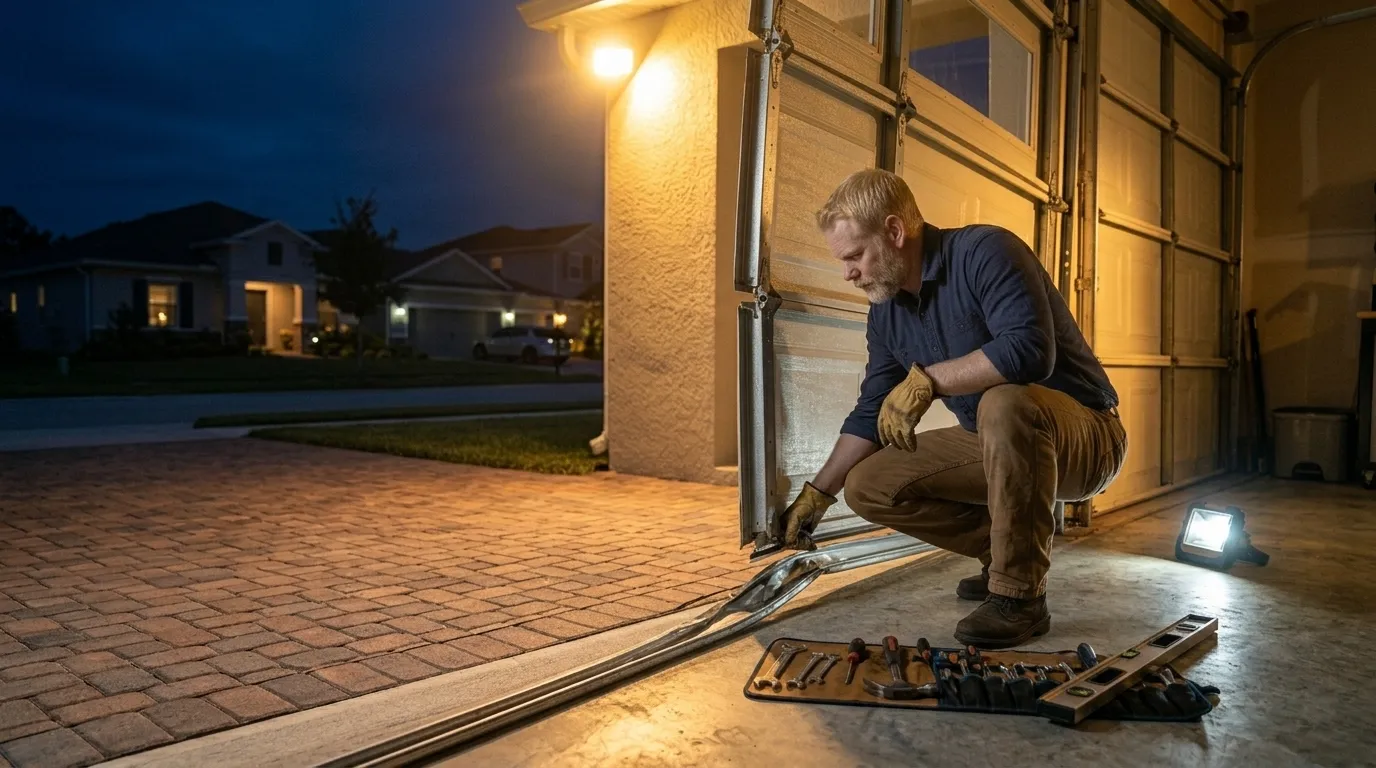
On an older extension-spring door - common in homes built when this area's housing stock went up in the mid-1970s - the cable runs from the bottom bracket up over a pulley to the spring itself. When it frays or snaps, the fix means releasing tension on the spring safely, pulling the old cable and drum assembly, and running new cable at the correct length so the door sits level on both sides. Get that length wrong by even an inch and the door racks sideways every time it travels.
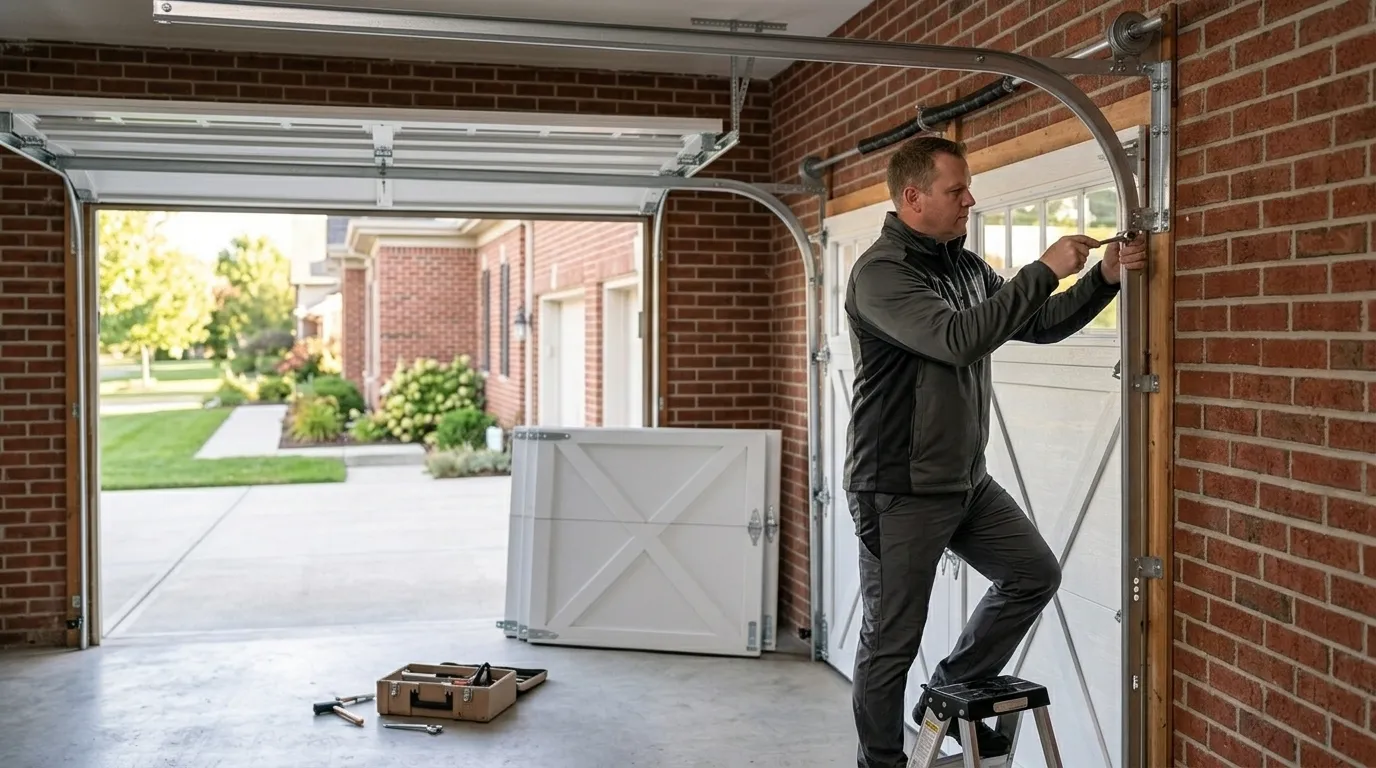
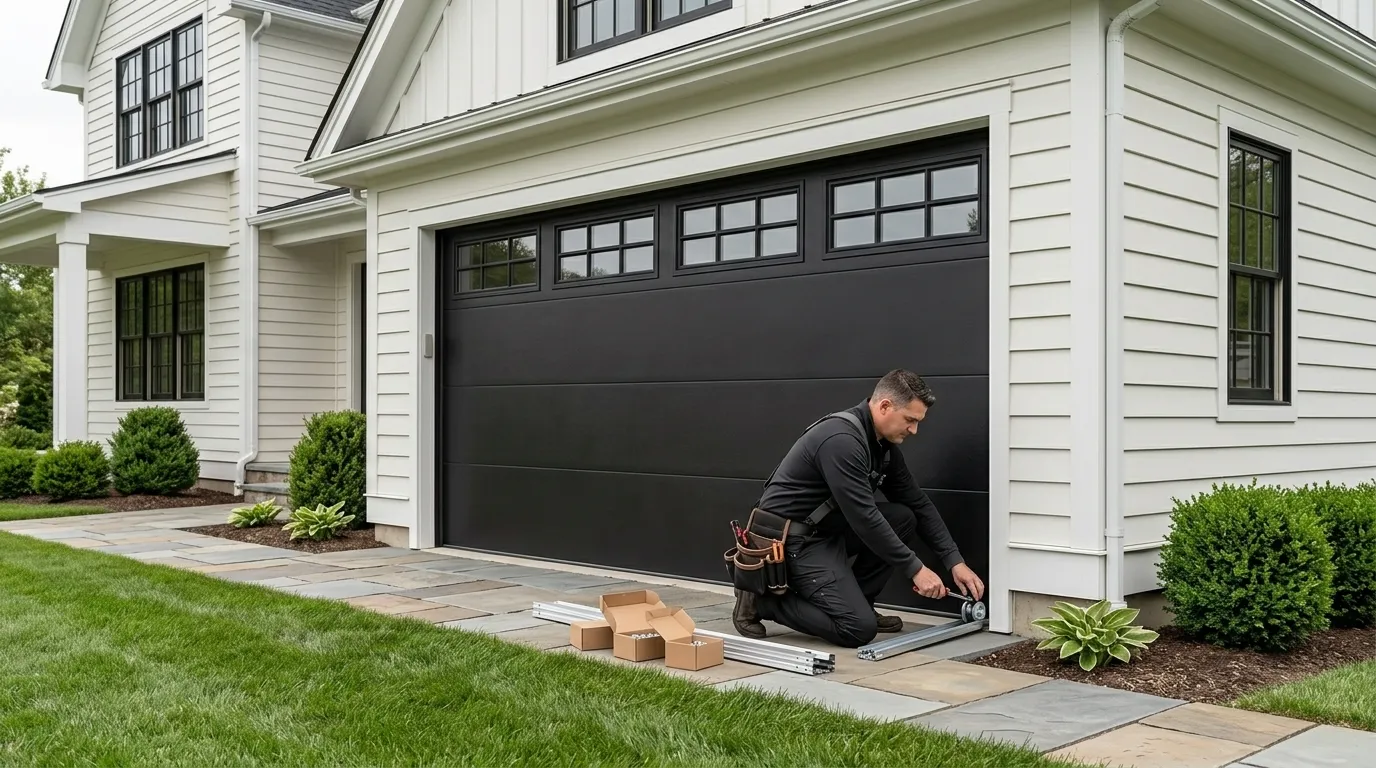
On torsion setups, which show up more in the newer end of the service area's 1975-1997 build range, the cable winds onto a drum at each end of the torsion bar, and both cables have to be replaced and tensioned together, not one at a time. We check both sides regardless of which one broke, because if one cable frayed from age, the other one on the same door is close behind it.
What Can Go Wrong
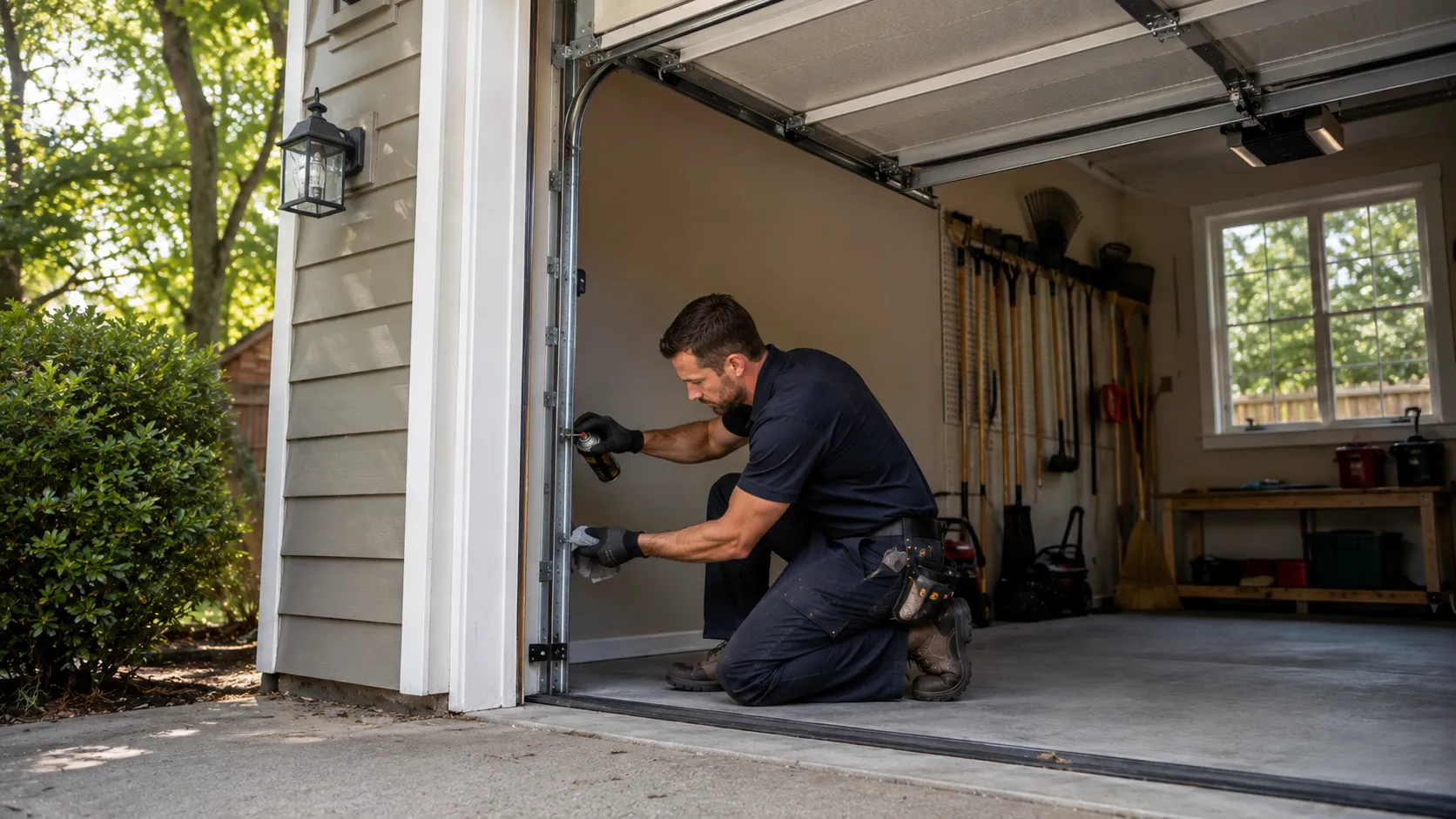
The most common mistake we see un-done here is someone trying to rehang a snapped cable themselves without releasing spring tension first. A wound torsion spring under load will take a hand off if the cable lets go mid-adjustment - this isn't a job for winging it with pliers in a cold garage. Cold matters here too: this area sits in a moderate-cold climate band, and steel cable that's already frayed from age gets brittle enough in winter to snap on a routine open-close cycle that wouldn't have bothered it in July.
The other thing that goes wrong is treating a symptom instead of the cause. A cable that keeps fraying at the same spot on the drum usually means the drum itself is worn or the door is out of balance from a weak spring, and replacing the cable alone just buys a few more months before it happens again.