Parts We Carry
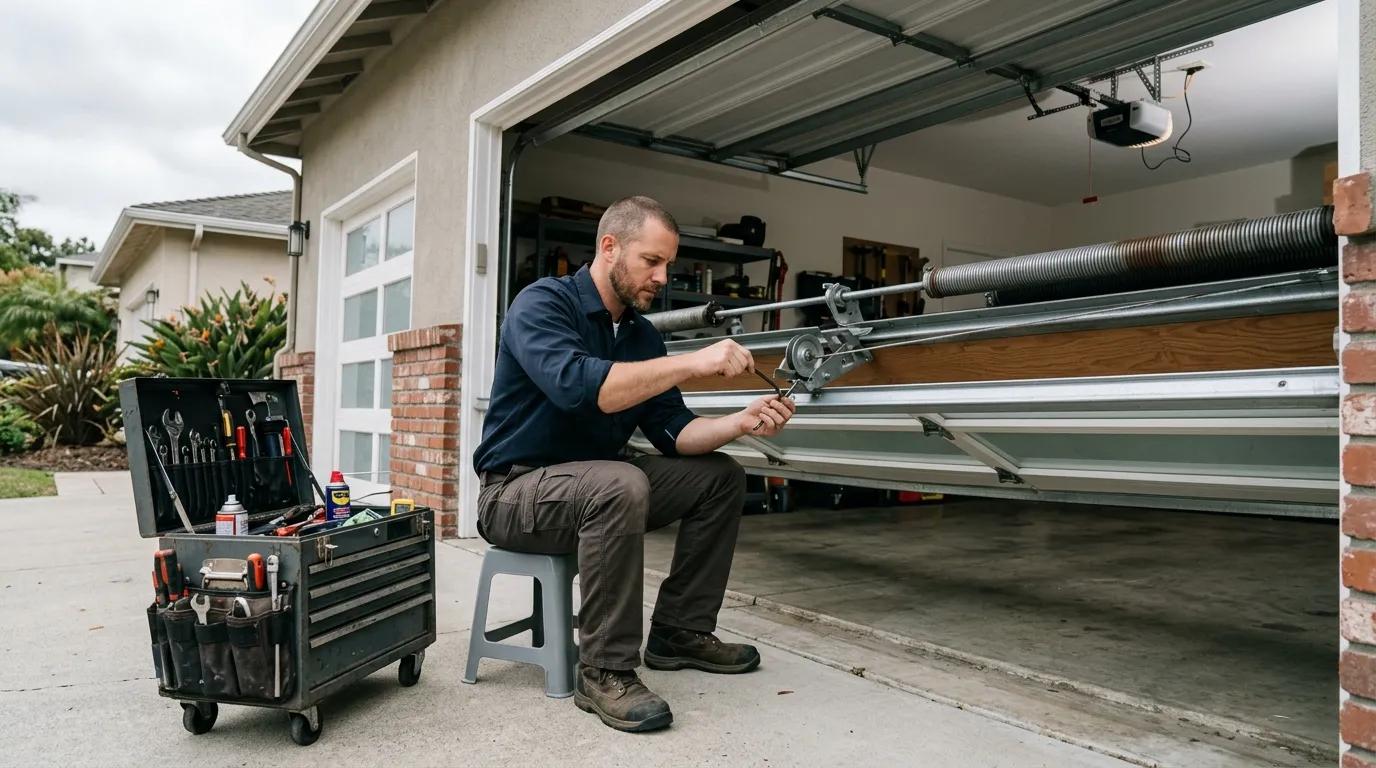
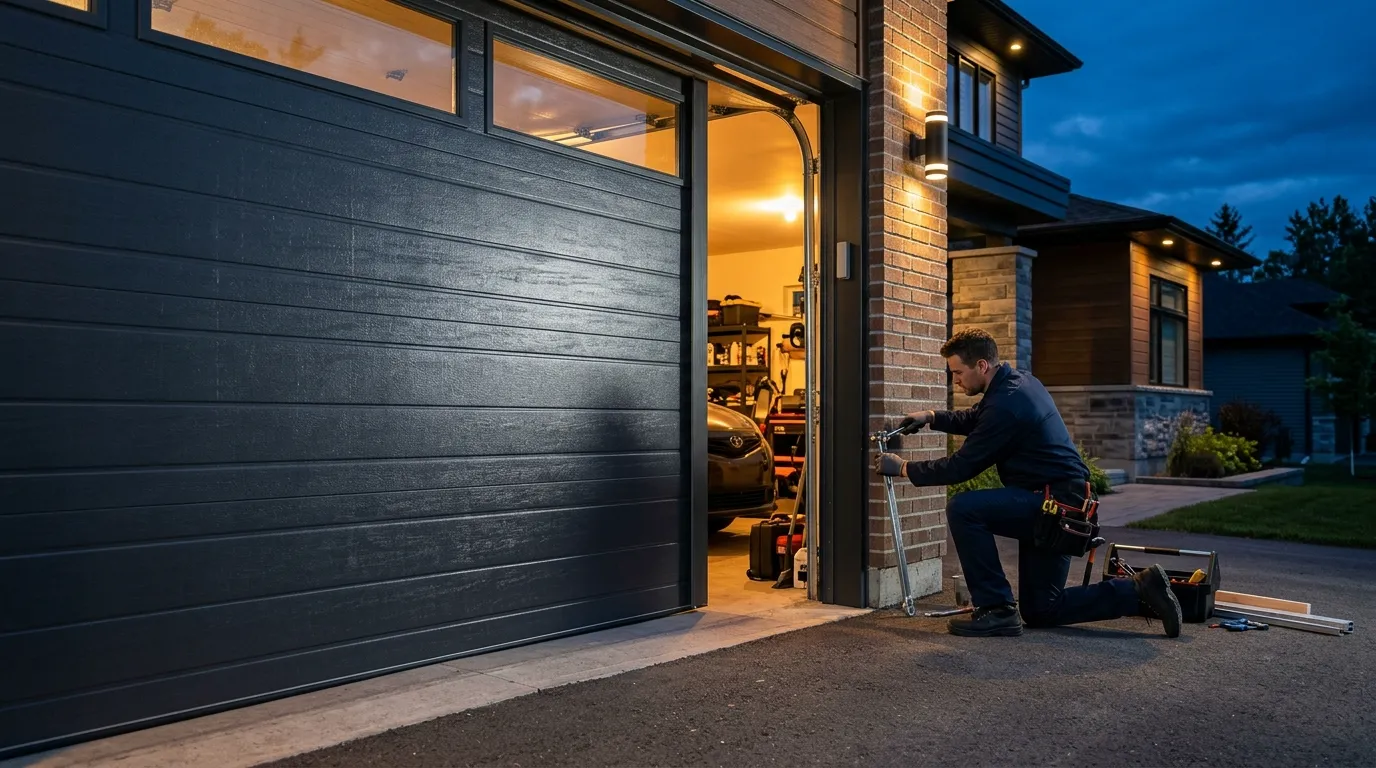
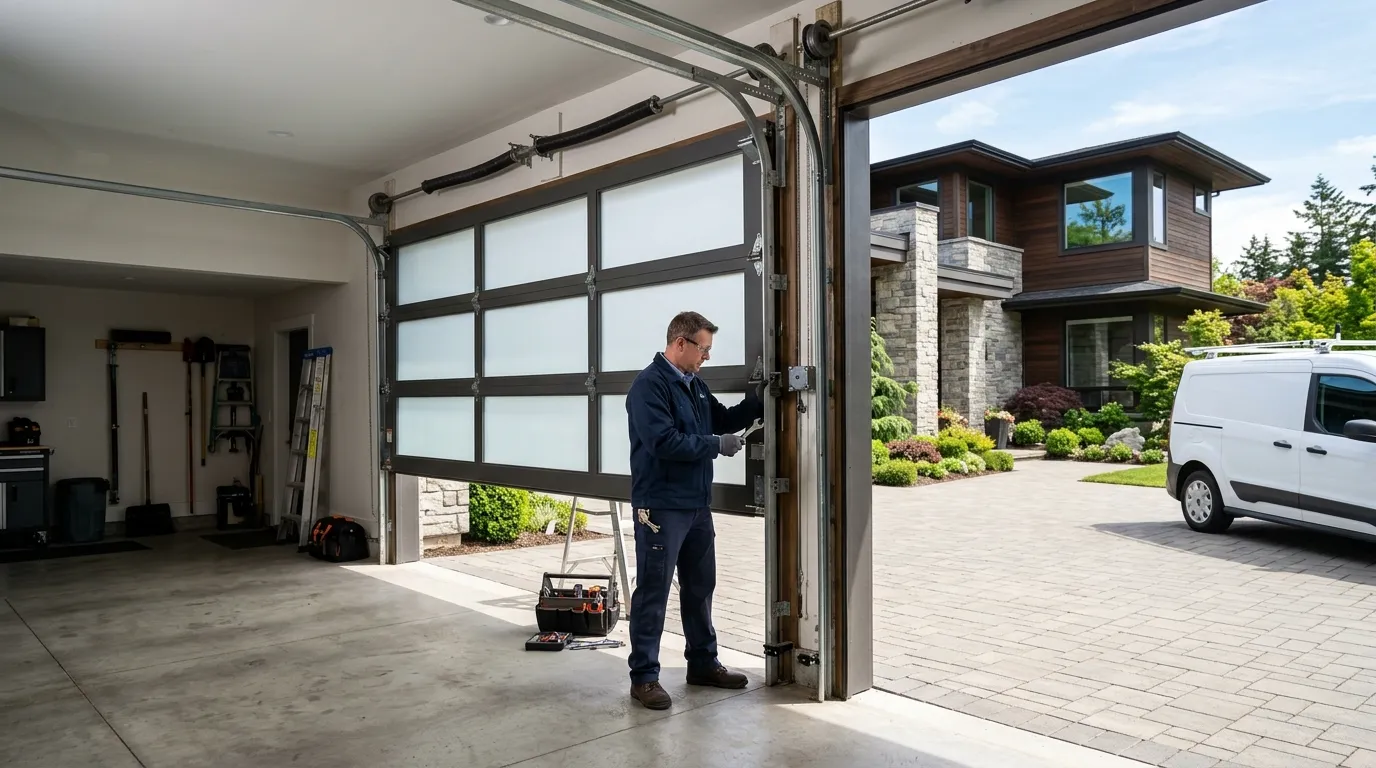
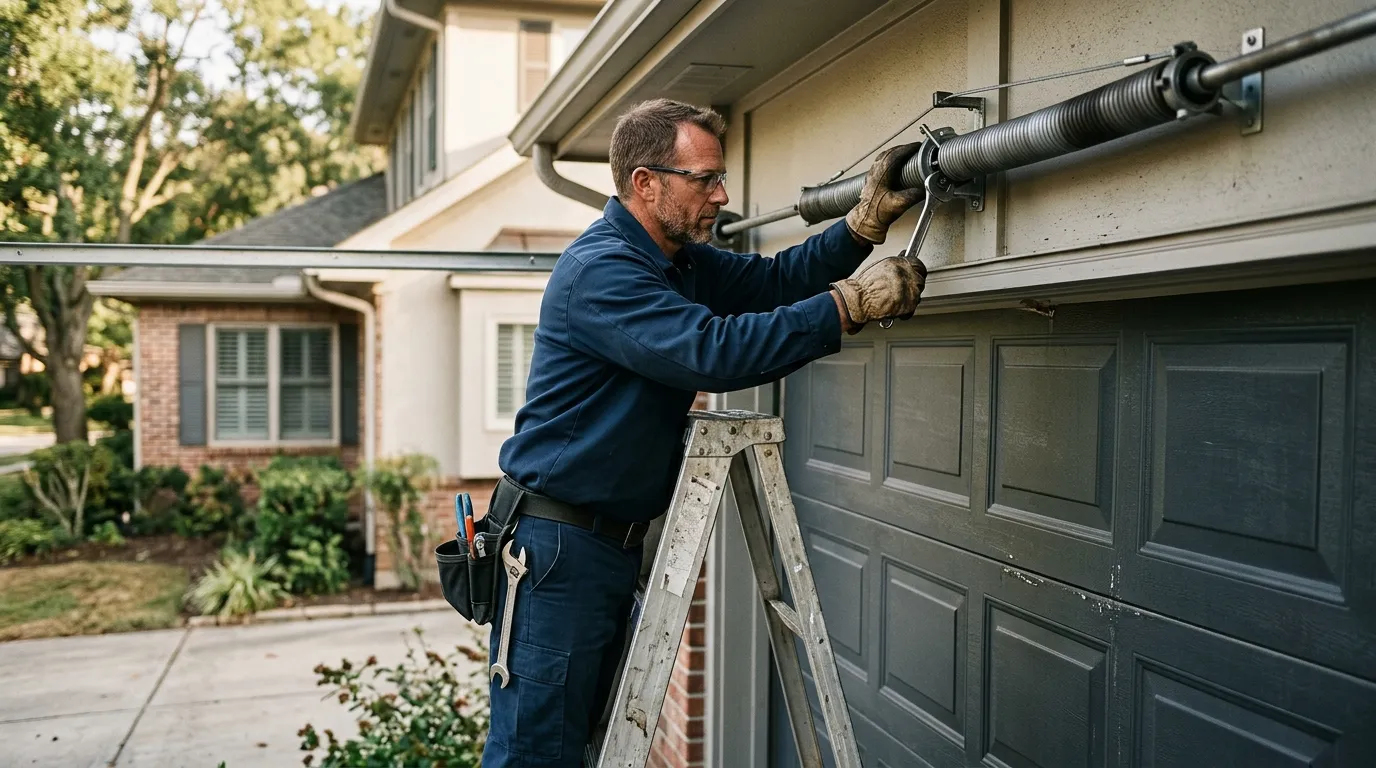
We stock the lifting cables that fit the doors most common in McRae. Housing here went up mostly around 1991, part of the broader 1975-1997 wave across the Searcy service area, so the hardware is fairly consistent: extension or torsion setups with galvanized aircraft cable, drums sized for a standard 7-foot door, and the pulleys and fasteners that go with them. We carry the common gauges and lengths on the truck, plus the safety cables a lot of these extension-spring setups are still missing.
What we don't carry is anything custom. If a door has been retrofitted with an odd track or a spring conversion somebody did without pulling a permit, we may need to order a part before we can finish the job. That's rare on a McRae house from this era, but it happens, and we'd rather tell you up front than pretend otherwise.
One cable snapped is usually a same-visit fix. Both cables gone, or a cable that's taken the drum or track with it, means we're replacing more than wire, and that changes the parts list and the time on site.
What It Costs
McRae's median household income is $35,333, well under the $43,811 average across the wider Searcy service area. That gap matters more here than it does on paper, because it's the number that decides whether a cable repair is worth doing on its own or whether it's smarter to bundle it with spring or track work while we're already there.
A single snapped cable on a door that's otherwise sound is usually the cheapest call we make. Where the cost climbs is when the cable let go because a torsion spring failed first and unwound under load, or the drum got chewed up in the process - now you're paying for parts across two systems instead of one.
We won't quote a number in writing here because we haven't priced a job we haven't seen, but we will say this: on a door built around 1991, the panels and track are usually still fine even when the cable and spring aren't. That's the difference between a repair bill and a replacement bill, and it's worth knowing which one you're actually facing before you commit to either.
What Can Go Wrong
Cold-moderate winters put steady strain on cable and hardware that's been sitting outside for three decades. On a door built in the early 1990s, the most common failure we see isn't the cable snapping clean - it's the cable fraying at the drum from years of the drum edge wearing a groove, then finally giving way on a cold morning when the steel is stiffest and least forgiving.
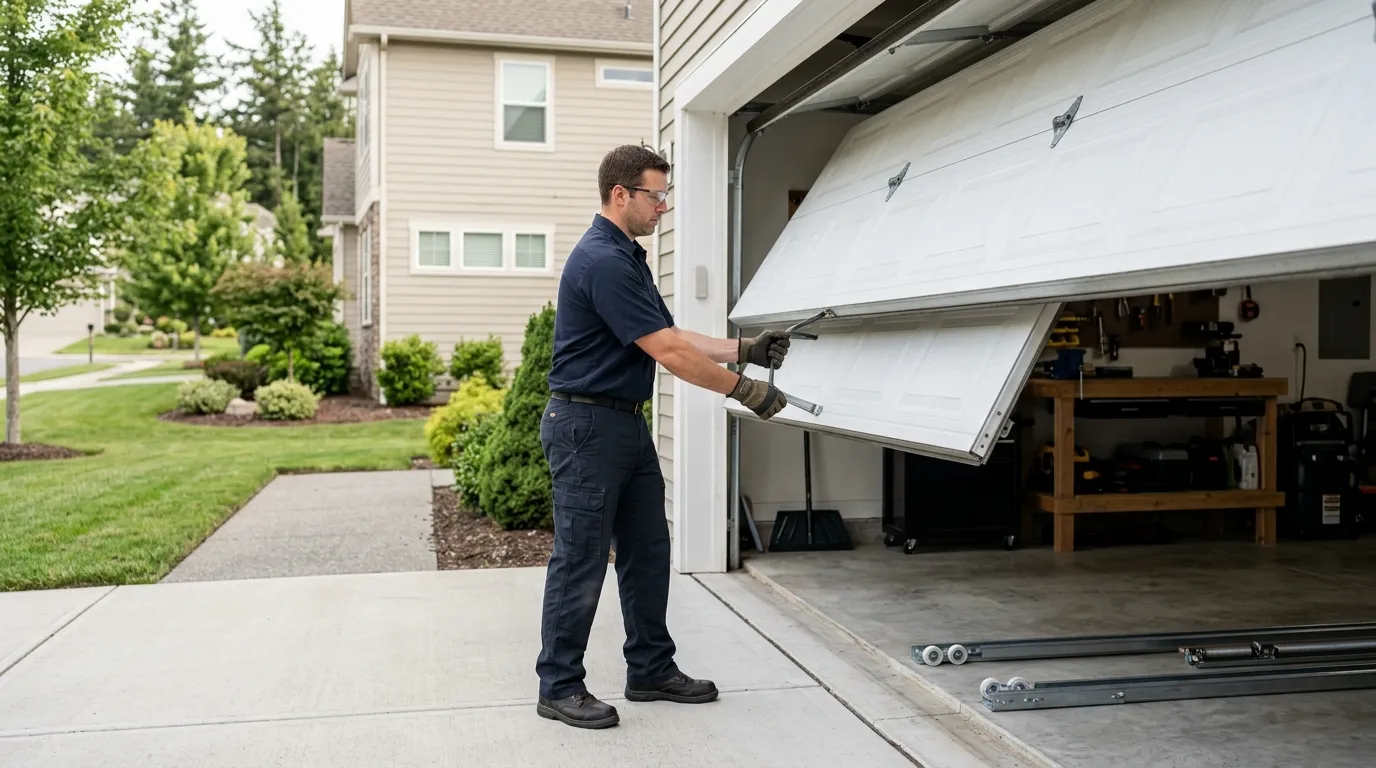
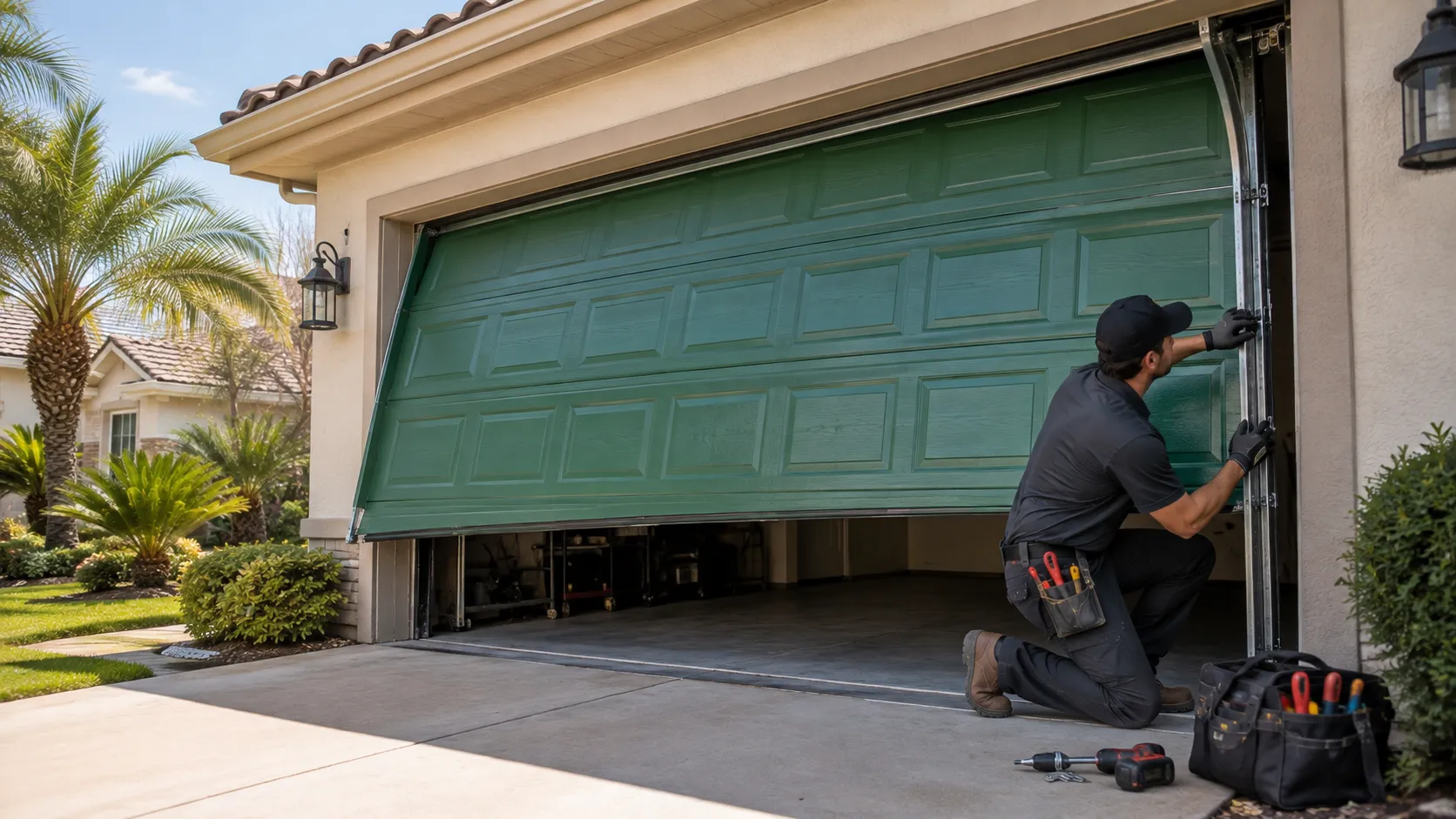
The second thing that goes wrong: a homeowner or opener keeps trying to run the door after the first cable lets go. That uneven pull twists the door in the track, bends a hinge or a roller bracket, and turns a one-cable job into a track-and-panel job. If the door won't move evenly, or one side sags lower than the other, stop running the opener and call before it gets worse.
With only 320 households in McRae, we don't see the same clustering of failures in one subdivision that we might in a bigger neighborhood - each house tends to be its own case, which is part of why we look at the actual hardware before quoting anything over the phone.
Booking a Visit
We run the job from Searcy, about 10 miles out, so a McRae cable repair is booked the same way any service call in the area is - we ask what the door is doing, what year the house was built if you know it, and whether the opener has been trying to run it since the cable broke. That gets us to your place with the right cable and drum size already on the truck.
We don't keep a branch or a standing crew in McRae, so we can't promise a same-hour turnaround the way a shop based here might. What we can promise is that we won't guess at parts - if your door needs something we don't carry, we'll say so on site rather than make a second trip look like the plan all along.
If you're not sure whether this is a cable problem or something bigger, our McRae garage door page covers the other common issues we see out here, and our Searcy cable repair page has the broader service details for the shop itself.