Parts We Carry
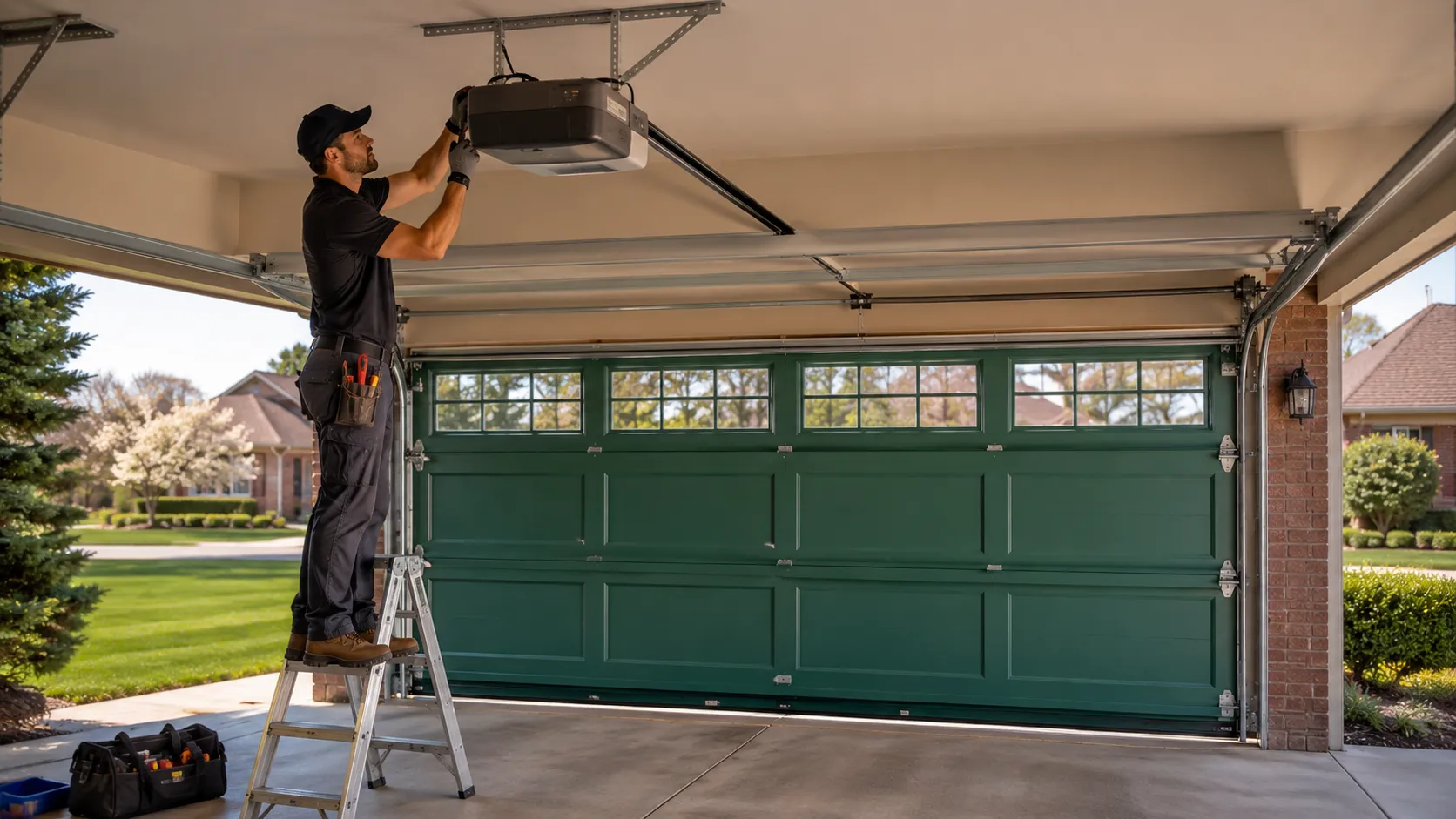
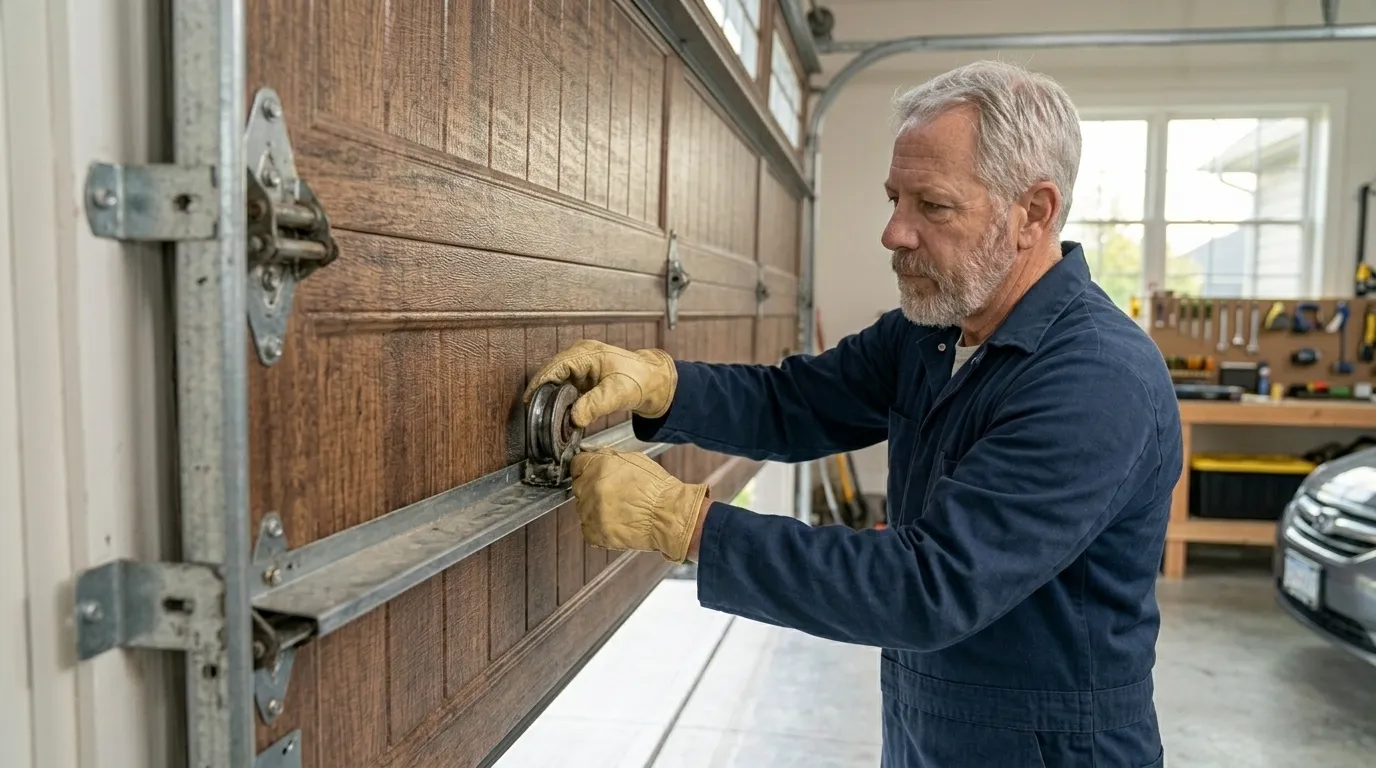
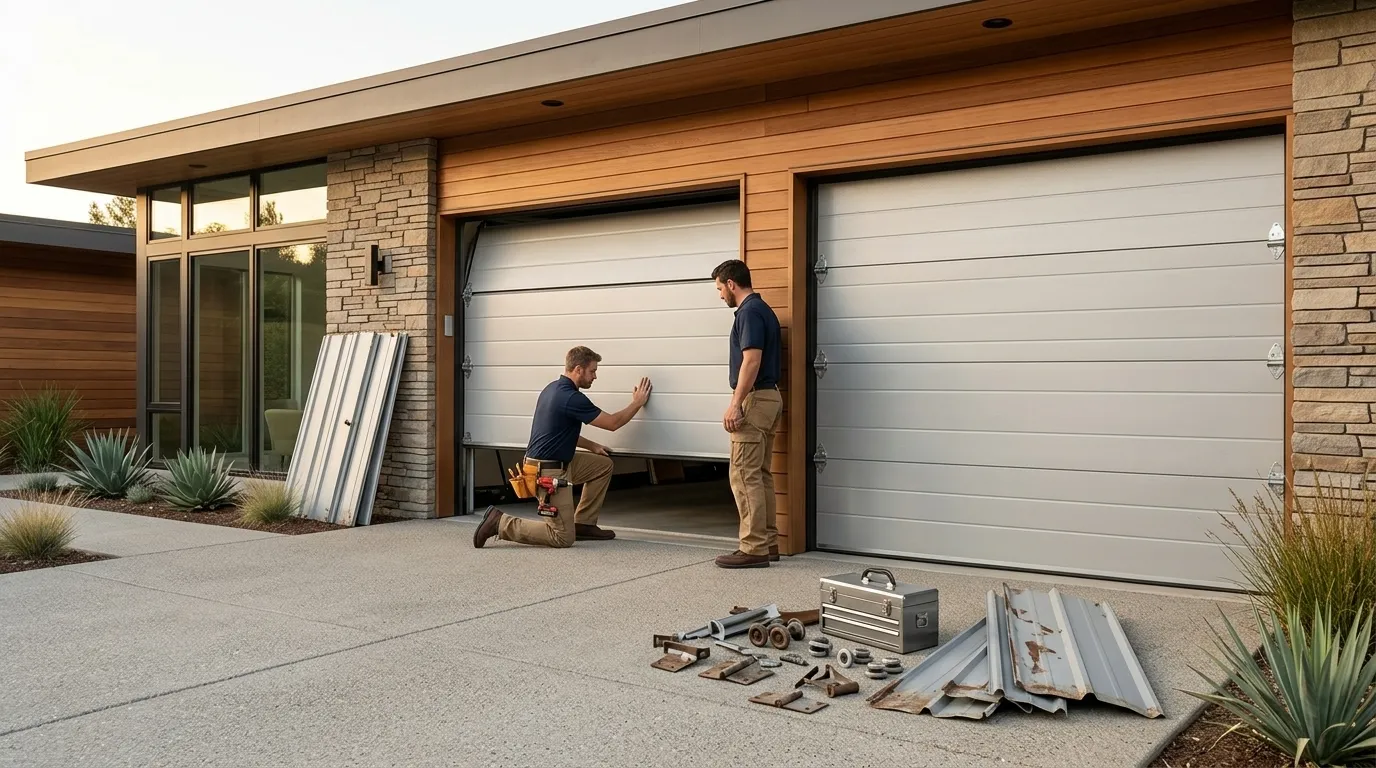
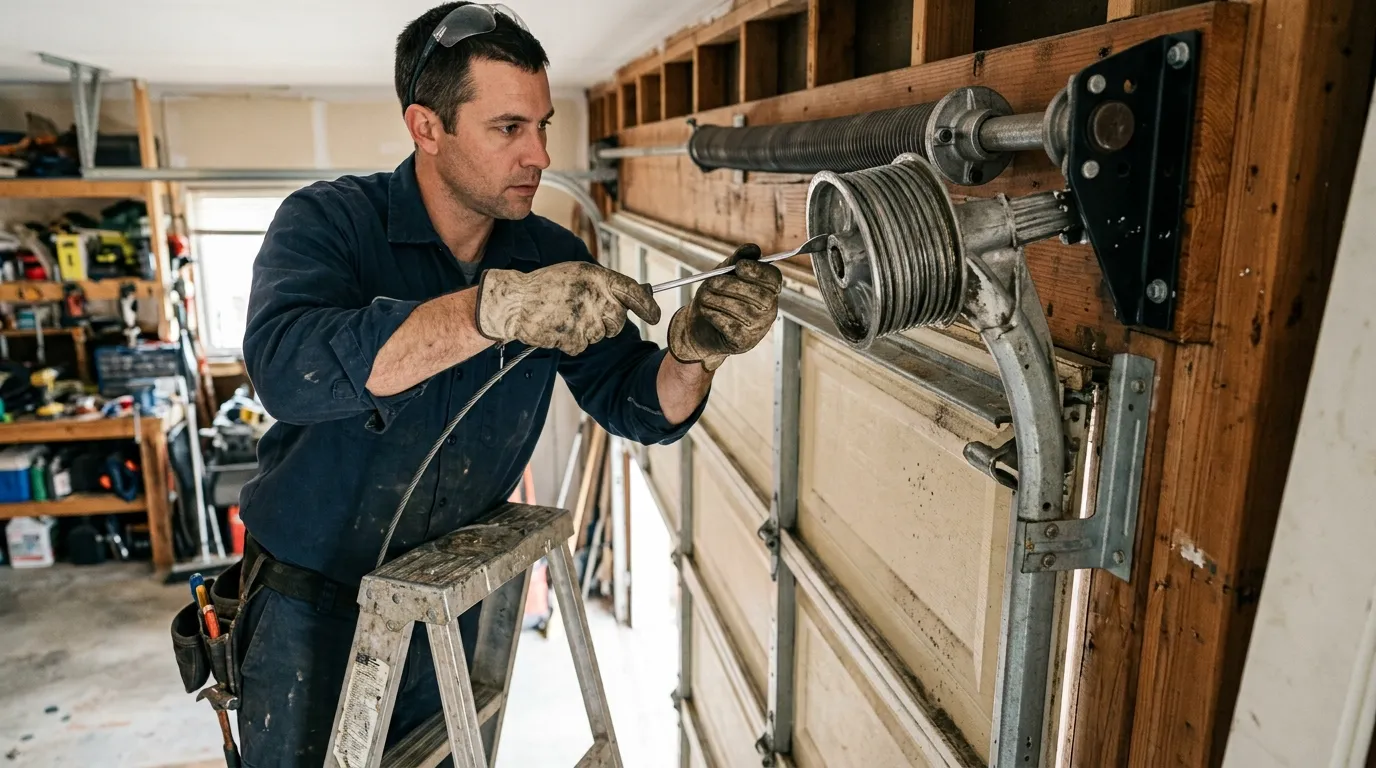
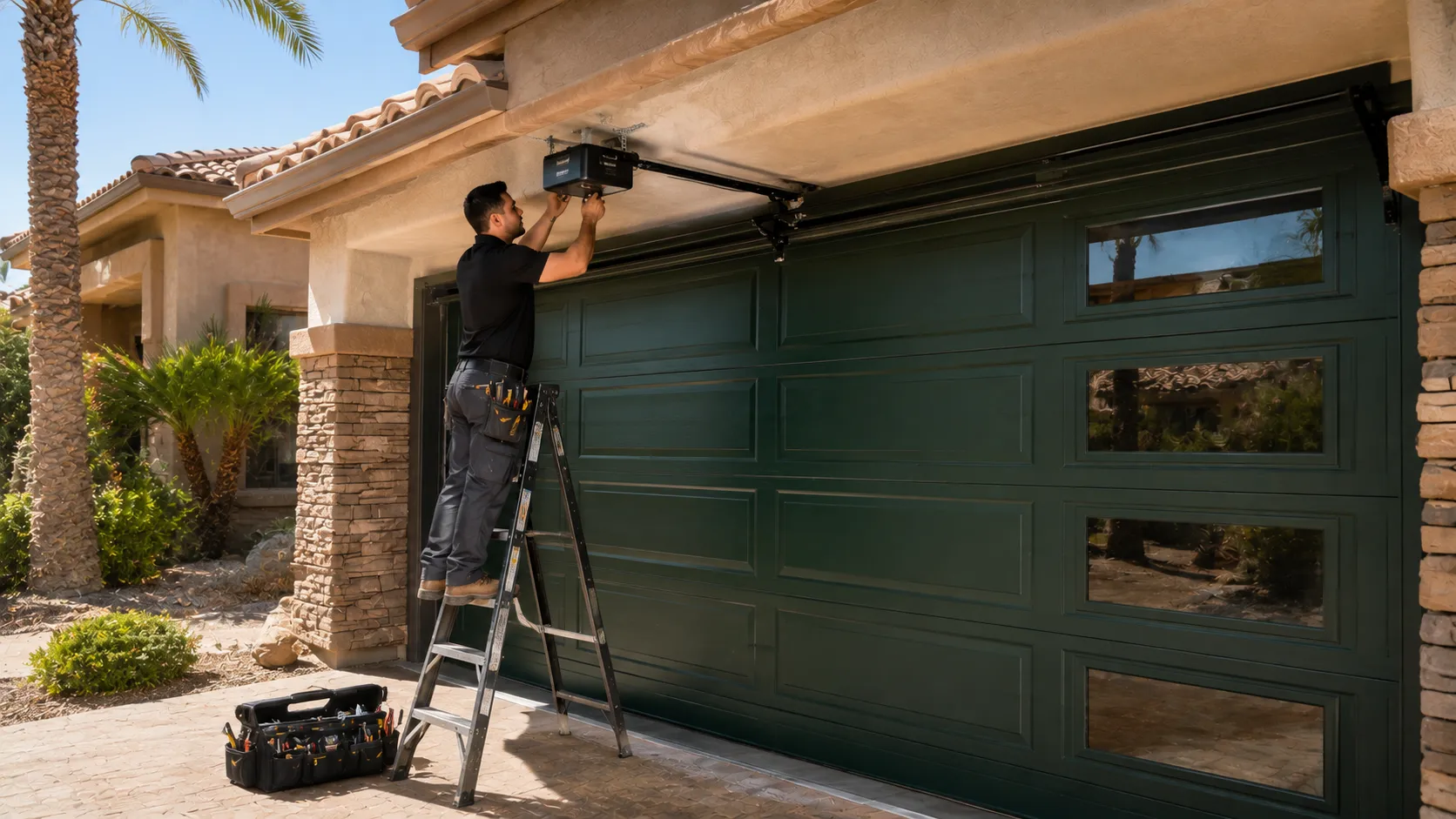
McRae sits about 10 miles from our Searcy shop, and that drive shapes how we stock the truck before we ever pull out. We don't guess at what a McRae house needs - most of the doors and openers out here went in when the neighborhood was built, with the local housing stock centered around 1991. That's a narrower, later build window than a lot of the wider Searcy service area, where houses more commonly date to the late 1970s through the 1990s. Practically, that means we're carrying torsion springs sized for early-90s standard-lift setups, matching rollers and hinges, and openers from that same generation rather than parts for the older side-mounted torsion hardware you'd find on an older build. We also carry weatherstripping and bottom seals rated for the cold moderate winters this area gets, since a door that seals loose in January is a bigger problem here than in a milder climate band. One honest limit: if your door or opener is a less common brand from that era, we may need to order a specific part rather than have it on the truck, and that can add a day or two.
What It Costs
We don't have a McRae-specific price list, and posting a number without local job data would be a guess, not a fact. What we can tell you is that cost drives from the same variables everywhere in this area: spring size, opener type, and whether the track or panel needs replacing alongside the fix. McRae's median household income sits at $35,333, notably below the broader service area's $43,811, and we take that into account when we walk through repair-versus-replace with a homeowner here - we'll flag the cheaper fix first if it's the right call, not the biggest job. With around 320 households in McRae, this isn't a market where we're running frequent same-day loops, so a call here gets scheduled around the Searcy route rather than dispatched from a local base. Ask for a quote when you call and we'll price the actual door in front of us, not a town average.
What Can Go Wrong
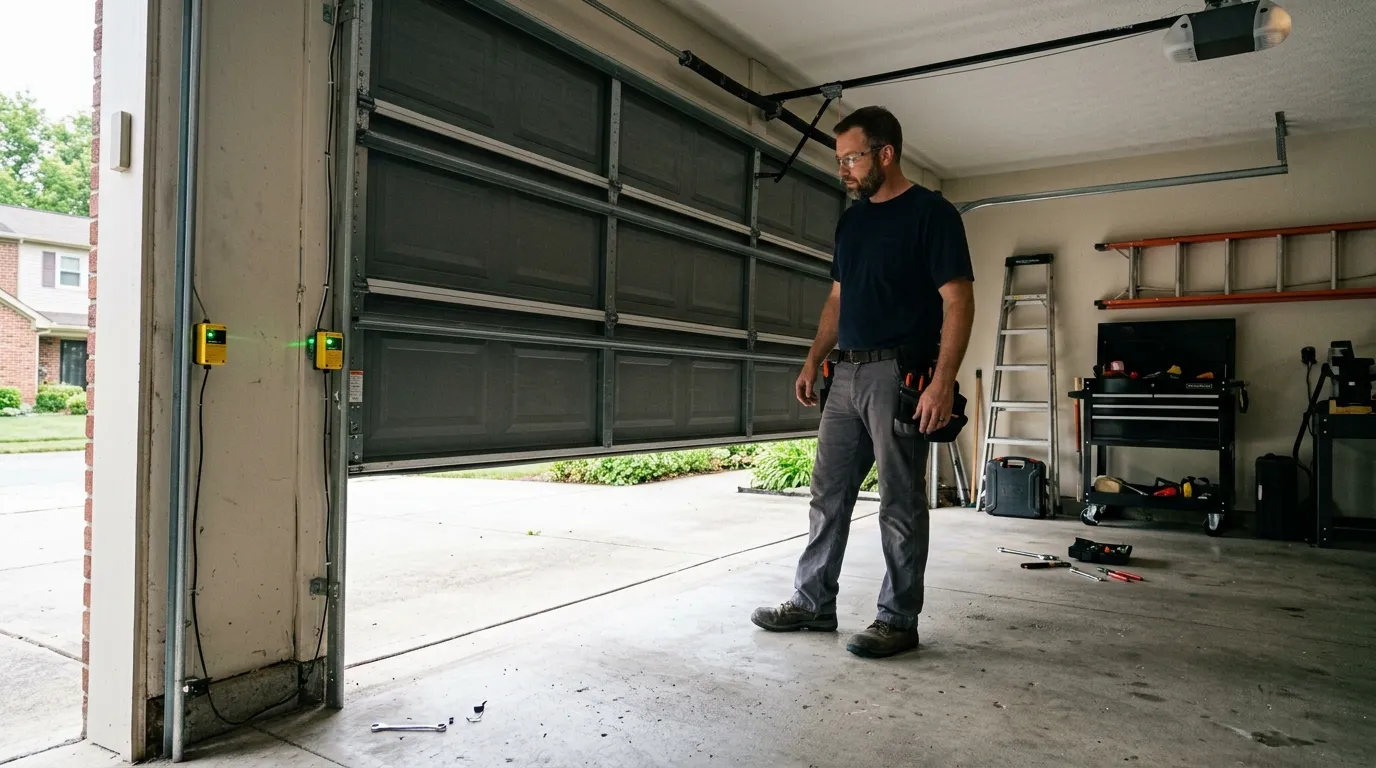
The specific failures we see out here track the build era. Openers from around 1991 are old enough now that circuit boards and drive gears fail more often than the motor itself, and a lot of them predate the safety reversal sensors required on newer units - worth checking if yours has never been tested. Springs from an early-90s install are due or overdue for replacement on a standard 7-10 year duty cycle, so a door that's getting noisy or slow to lift is often just at the end of its spring life, not broken yet. Cold moderate winters also mean steel tracks and bottom seals take more expansion and contraction stress than they would somewhere milder, which shows up as gaps at the bottom corners or a track that's worked slightly out of alignment. None of this is unique drama - it's what happens to doors this age in this climate, and it's fixable on one visit in most cases.
Booking a Visit
We run out to McRae from our Searcy shop, about 10 miles each way, so calls here get scheduled rather than answered on the spot - tell us what the door's doing and we'll get a time on the calendar. Since McRae is a smaller town with roughly 320 households, we're not out this way constantly, which is exactly why we load the truck ahead of time based on what we know about the local housing stock rather than showing up and hoping we have the right spring on hand. If you're not sure whether it's worth a call, describe the symptom when you reach out and we'll tell you straight whether it's a DIY fix or a job for us.