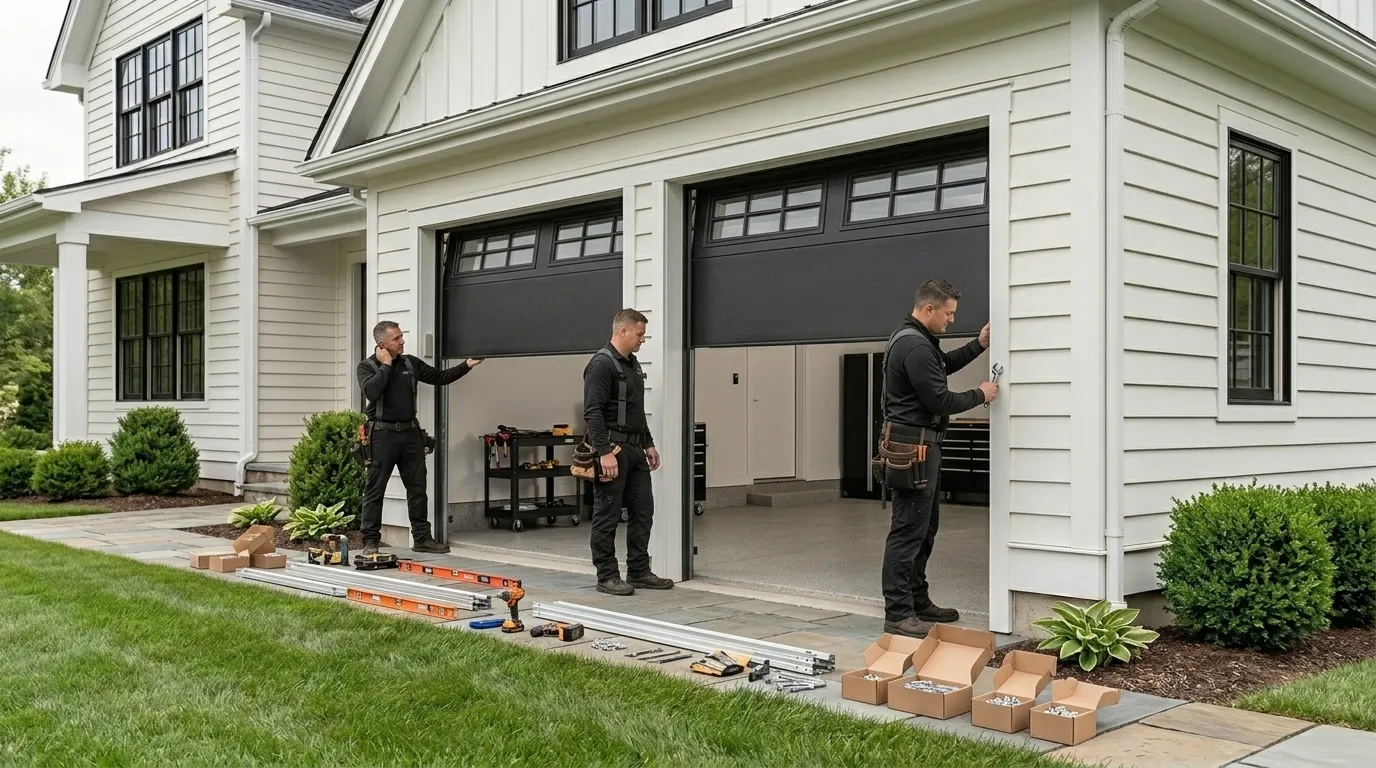
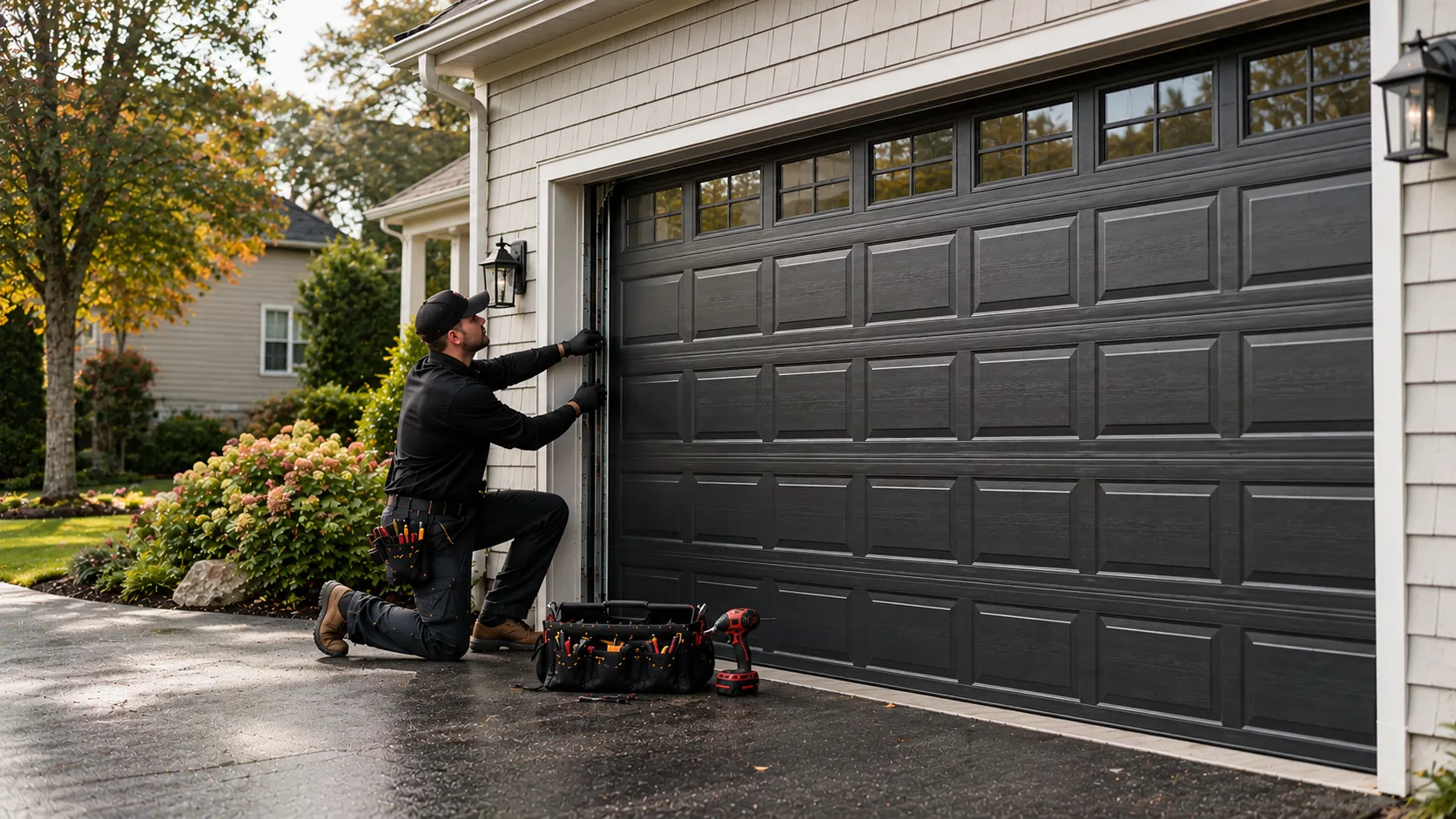
Parts We Carry
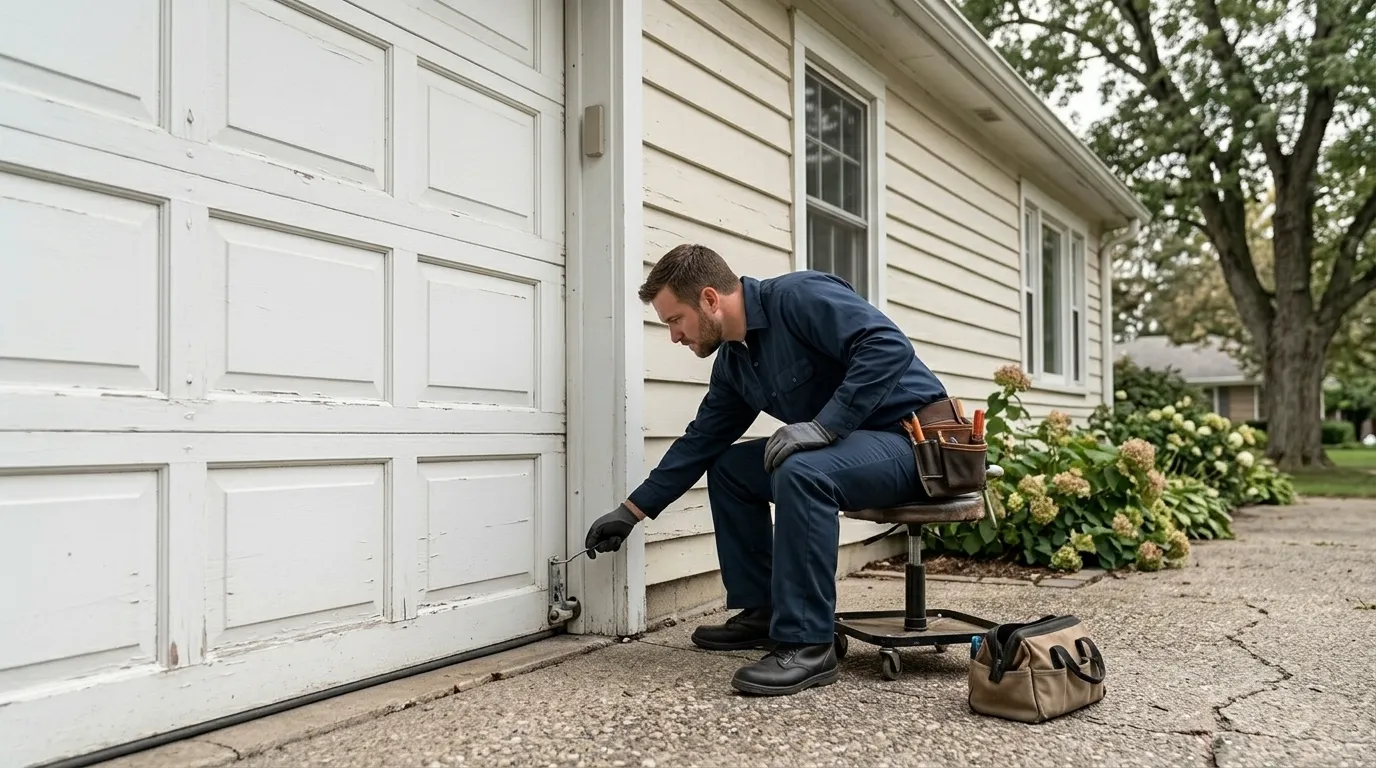
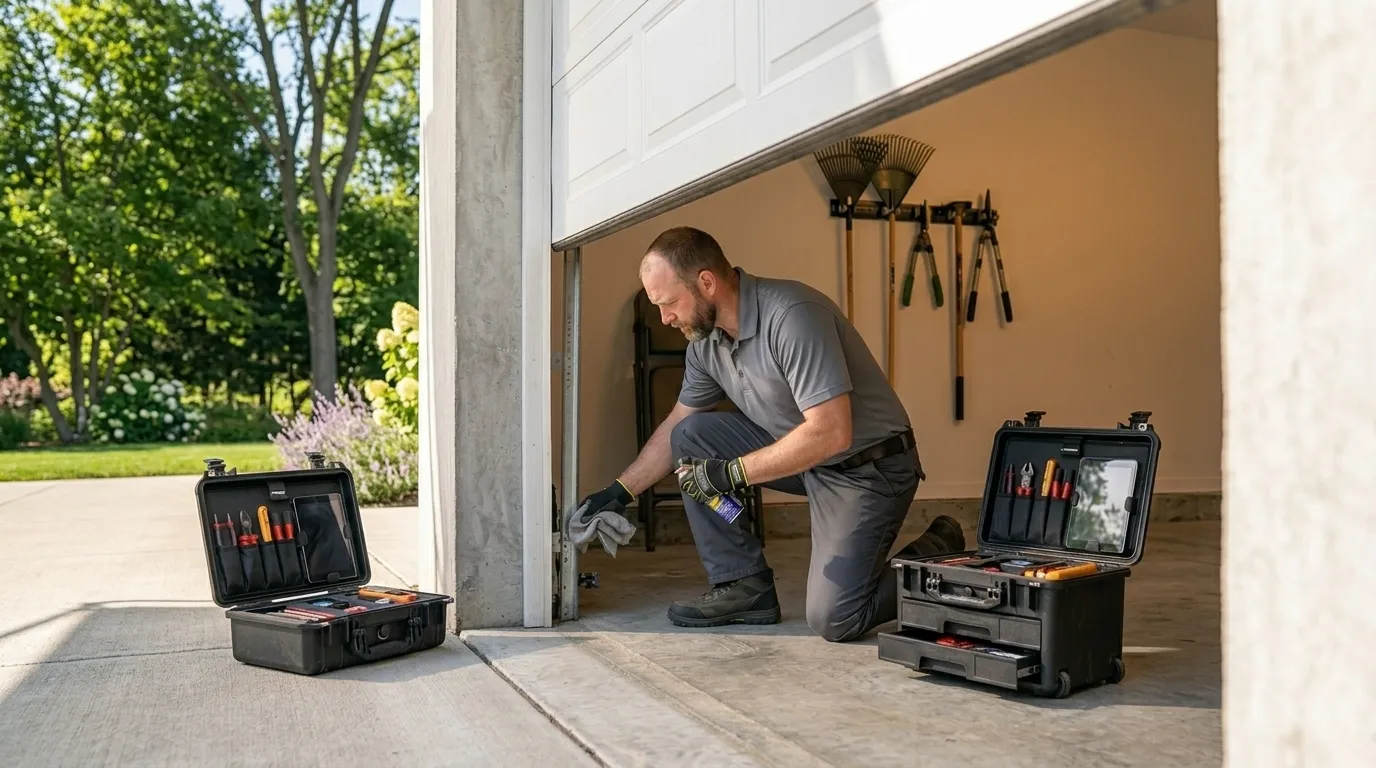
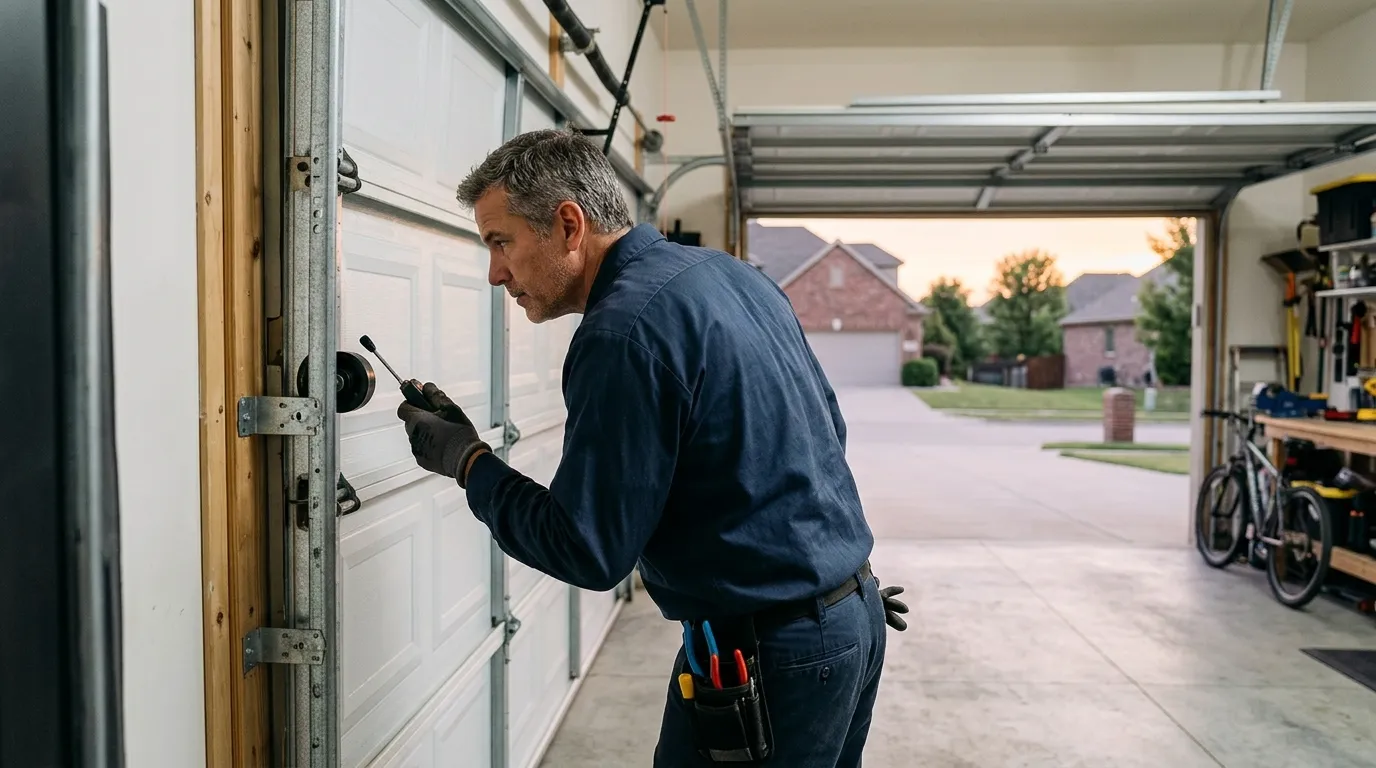
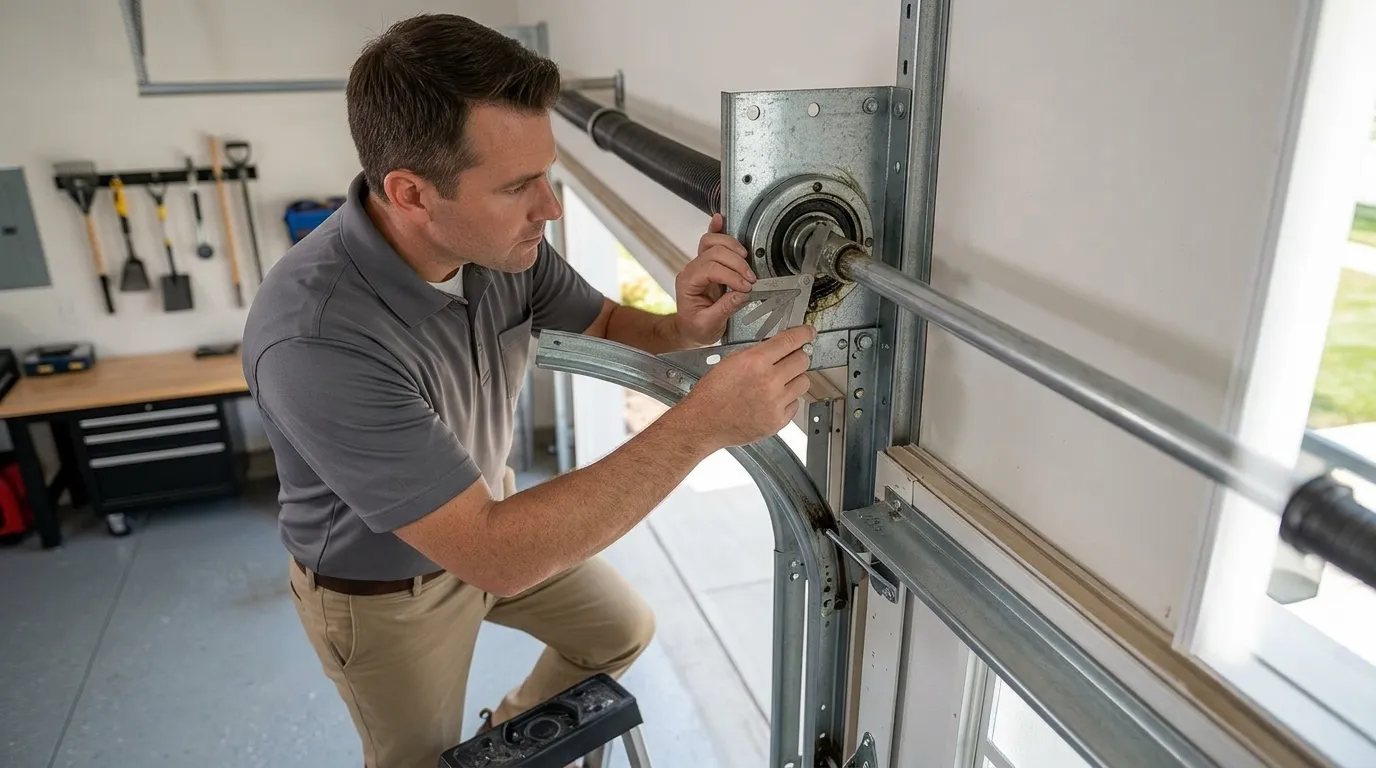
Most of McRae went up around 1991, right in the middle of the 1975-1997 build wave that covers this whole service area. A door that age, if it's never given anyone trouble, is very likely still running on the rollers it left the factory with - steel rollers on steel wheels, sometimes upgraded to nylon somewhere along the way but often not. We carry both. Nylon rollers with sealed bearings are the standard swap now: quieter, no lubrication needed, and they don't wear the track the way an old steel roller does once the wheel edge starts to flatten. We stock the common 7-ball and 10-ball stem lengths and the short-stem rollers used on doors with tighter track radius, which shows up on a fair number of single-car doors from that era. If a track has been bent or worn oval by years of a flat-sided steel roller riding in it, that's a track repair or replacement on top of the roller, not a roller job alone.
We don't stock every oddball roller size a manufacturer used in a short production run three decades back. If your door takes one of those, we order it and come back, rather than force a roller that's close enough.
What It Costs
We don't quote a number here without seeing the door - roller count, whether the track needs attention, and whether it's a single or double door all move the price. What we can tell you is the shape of the job in a place like McRae: with a median household income around $35,333, well under the $43,811 figure for the wider Searcy service area, most people we work with here want the job scoped clearly before we start, not a surprise number at the end. A full set of rollers on a double door with clean tracks is a straightforward job. Add a bent track, a stripped stem, or a roller that's seized and torn up the track surface, and the price moves with the extra parts and time.
We travel to McRae from Searcy, about 10 miles out, so the visit itself is built around getting the right rollers loaded before the truck leaves rather than guessing on site. That's part of why we ask a few questions up front about how old the door is and what it sounds like.
What Can Go Wrong
The most common failure we see on doors from this build era isn't the roller snapping outright - it's a roller that's worn enough to bind, so the door starts grabbing at one point in the track instead of gliding through. That shows up as a thump or a hesitation partway through the cycle, and it's usually the roller closest to whichever hinge is carrying the most weight, often the second one up on a heavier double door.
Cold matters here too. This area sits in a moderate-cold climate band, and steel rollers that have gone stiff on a genuinely cold morning put more strain on the opener trying to force them through a tight spot in the track. If a roller's already marginal, a cold snap is often what finishes it. Nylon rollers with sealed bearings handle that temperature swing better, which is one reason we lean toward them on replacement jobs rather than matching the original steel.
What we can't tell you without seeing it is whether a bad roller has already damaged the track underneath it. That's a second look, not a guess over the phone.
Booking a Visit
We cover McRae from our base in Searcy, about 10 miles away, so a roller job here gets scheduled rather than handled as a walk-up. Tell us the door's age, whether it's a single or double, and what it sounds like when it moves - a grinding roller sounds different from a bent track, and that helps us bring the right parts the first time instead of a second trip.
McRae is a small market, and most of the doors we see here share the same early-90s build window, so the rollers, springs, and track gauge tend to run in a narrow range compared to older or newer neighborhoods nearby. That consistency actually works in your favor - it's part of why we can usually load the likely roller size before we leave the shop. See our full page on McRae garage doors for other services we cover in the area, or read more on our general roller replacement approach out of Searcy.