Booking a Visit
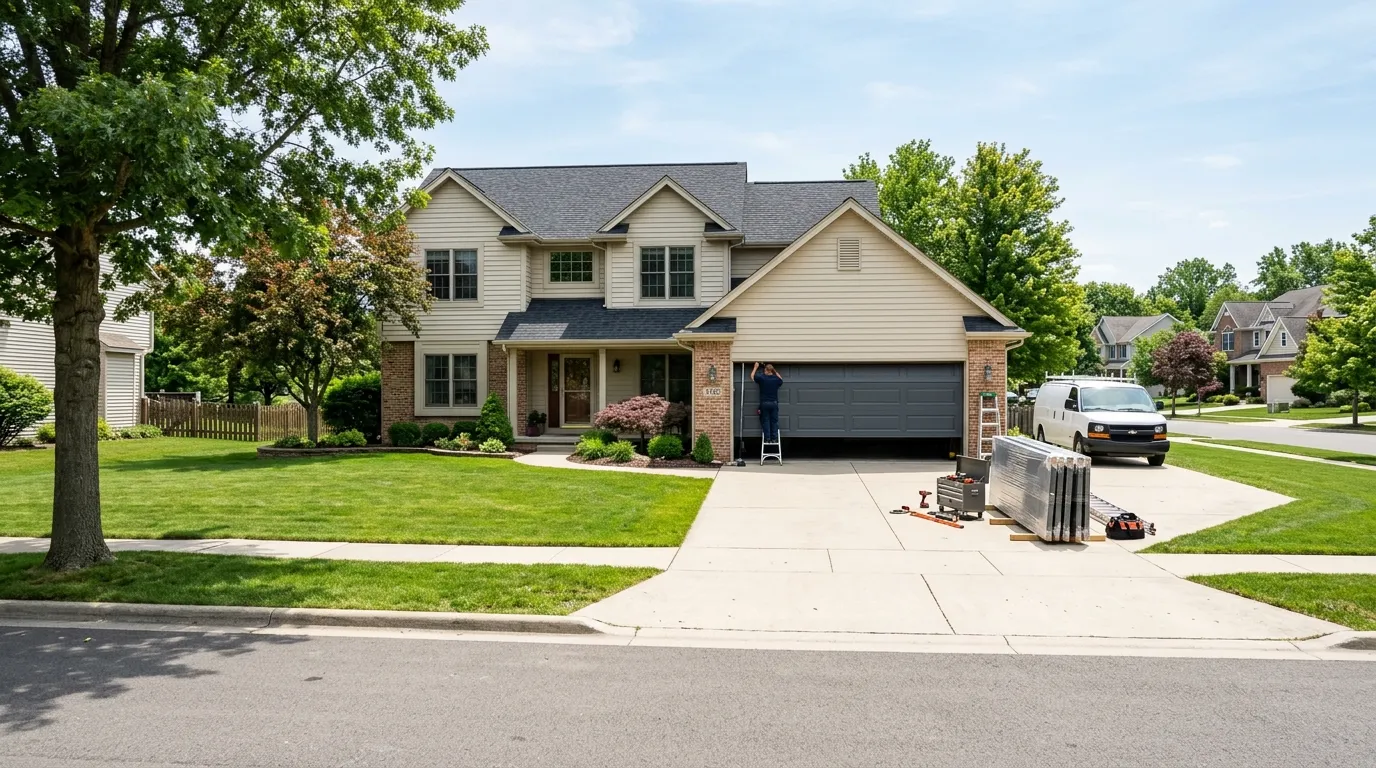
Judsonia sits about 6 miles from our shop in Searcy, so when a cable snaps here it's a short haul for the truck, not a special trip. We don't run a branch or drop box in town - every job rolls out from Searcy - but that distance is short enough that it doesn't change how we price or schedule the work. Tell us on the phone whether the door is stuck shut, hanging crooked on one side, or came down hard and won't move at all. That detail decides whether we bring a standard cable kit or plan for a spring replacement too, since a snapped cable on an extension-spring door often means the spring gave out first and took the cable with it. We ask because Judsonia's housing stock leans toward extension springs mounted on the horizontal tracks, a setup that was standard when most of the neighborhood went up, and it behaves differently under a broken cable than the torsion systems found on newer builds.
What the Fix Involves
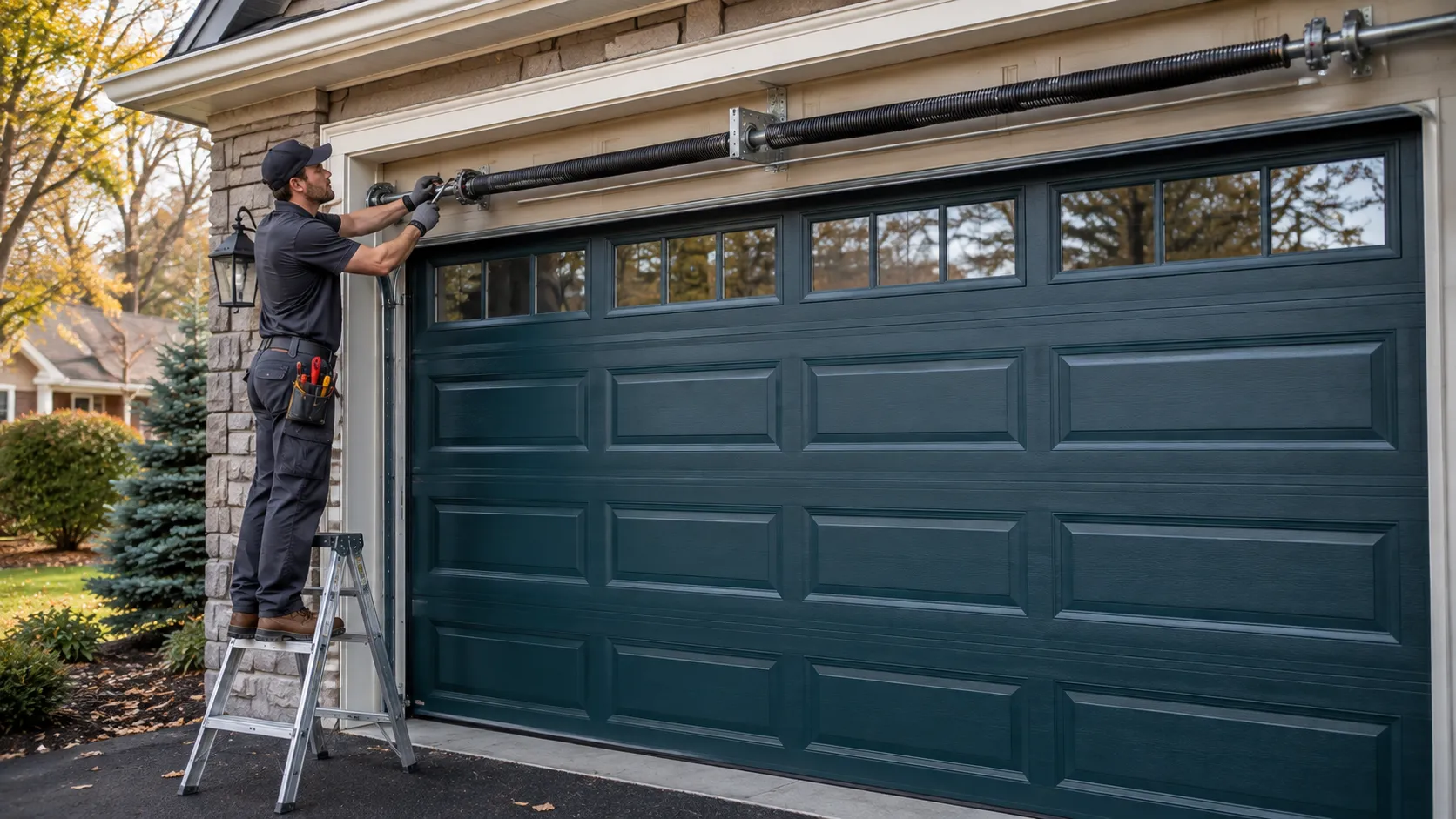
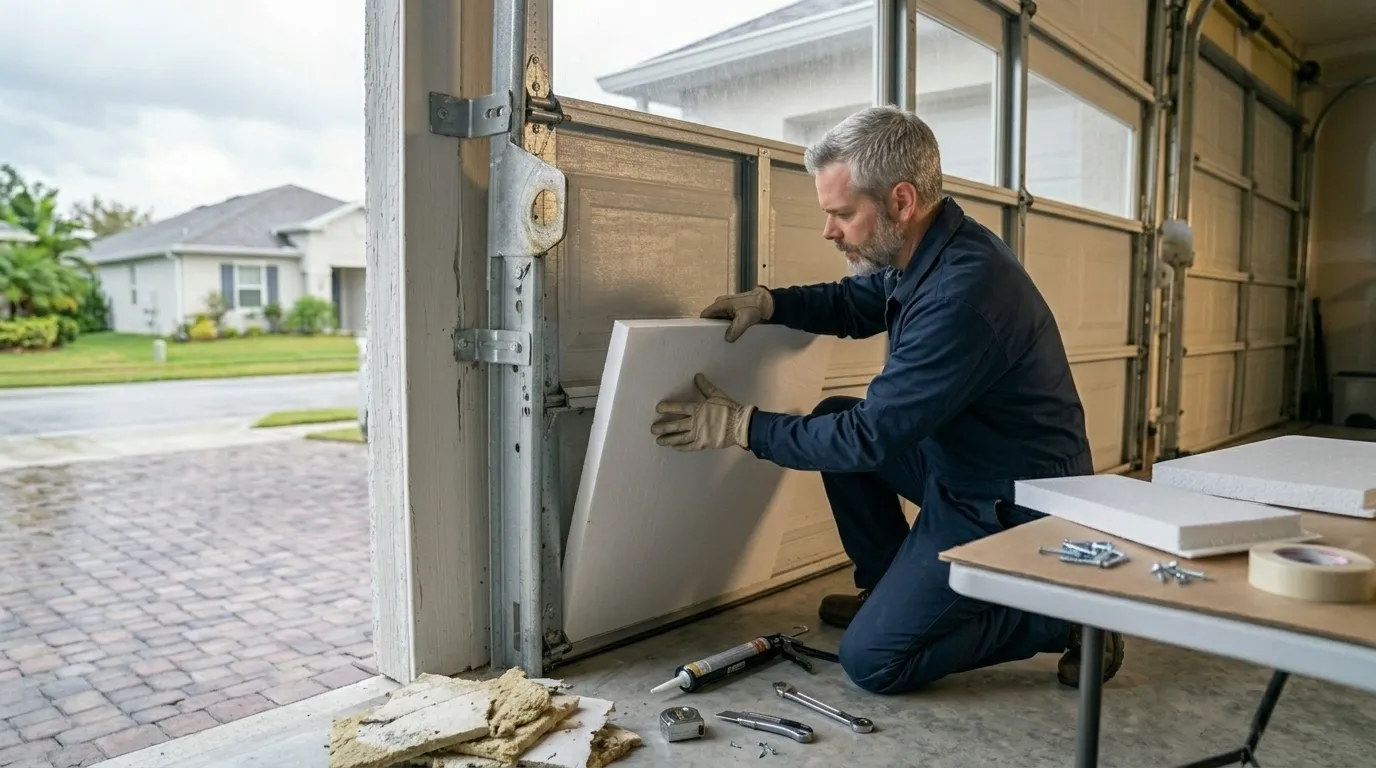
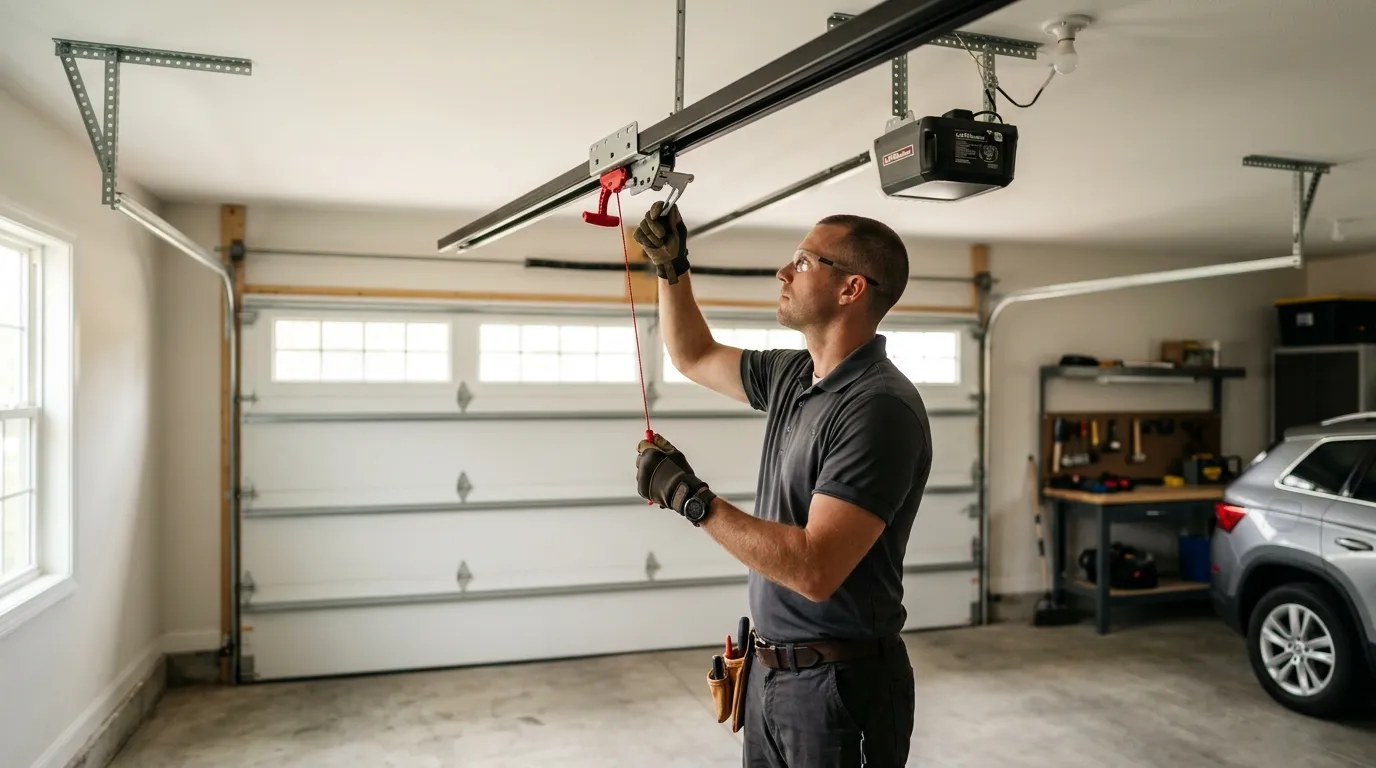
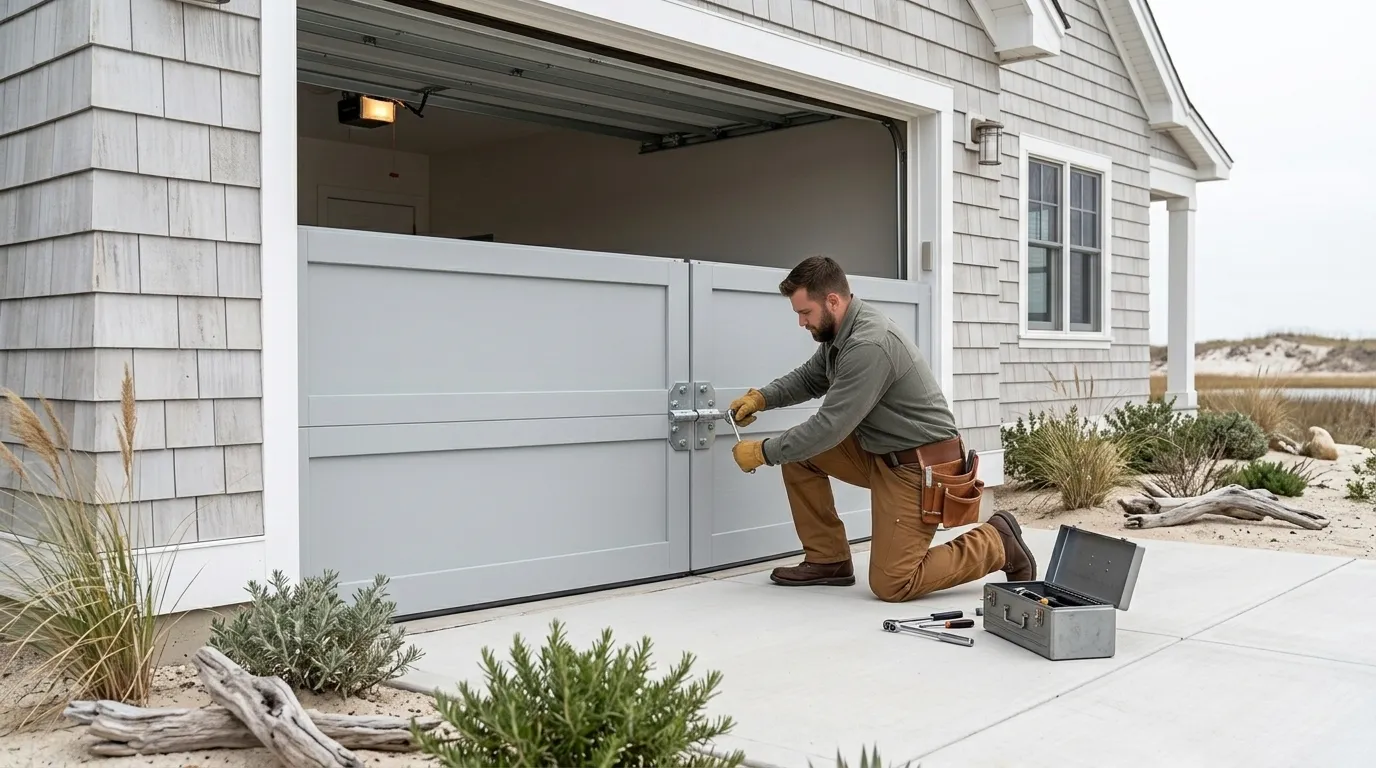
Most houses in Judsonia were built in 1982, give or take a few years on either side of the 1975-1997 range that covers this stretch of the service area. Doors from that era typically run on extension springs strung along the horizontal tracks, with a cable looped through a pulley at the bottom bracket. When one of those cables frays or snaps, the door usually drops unevenly or jams a few inches up, because the surviving cable is still under tension and fighting the slack side. Fixing it means releasing spring tension safely, pulling the old cable and pulley, and running new galvanized cable sized to the drum and track length on that specific door. On a door this age we also check the bottom brackets and pulley bearings, since 40-year-old hardware often has enough wear that the new cable outlives the parts around it by only a few months if we don't replace them together.
Parts We Carry
For the extension-spring, horizontal-track setups common on 1982-vintage Judsonia doors, we carry galvanized aircraft cable in the standard gauges those systems use, replacement pulleys, and bottom brackets sized for the older door thicknesses still common in this part of the service area. Cold, damp winters here - this area sits in a moderate cold climate band - are hard on exposed cable strands, so we lean toward galvanized over plain steel for anything mounted where it catches weather off the driveway side. One limitation: if a door has an oddball drum or a track width outside the common sizes, we may need to order that part rather than pull it off the truck, which can push the job to a second day.
What Can Go Wrong
On a 1980s door, a snapped cable rarely shows up alone. The pulley it ran through has usually been spinning on the same bearing for four decades, and once the cable lets go, that bearing often locks up or wears a groove that will fray the next cable too. We also see bottom brackets that have loosened enough that the cable rode at an angle instead of straight into the drum, which is often what caused the fray in the first place. Across the roughly 744 households in Judsonia, most built in that same narrow window, this is the pattern we run into far more than a clean, isolated cable failure - so if your neighbor's door needed a bracket and pulley along with the cable, don't be surprised if yours does too.