Booking a Visit
We don't keep a crew or a yard in Judsonia - we run the job from Searcy, about 6 miles down the road, so there's no local branch to call and no separate local number. What that means for you is straightforward: you call the Searcy line, tell us your door is grinding or hopping on the track, and we schedule the drive out. It's not a same-day guarantee and we won't pretend otherwise; distance and the day's schedule decide that, not promises made on a phone call. Judsonia isn't a stop we make on a whim - it's a short, known trip, and the truck comes loaded with roller stock sized for the doors that are actually common out here rather than a generic assortment. If you've got a two-car door built when most of this area went up, in the early 1980s, we already know roughly what we're going to find before we unload the ladder.
What the Fix Involves
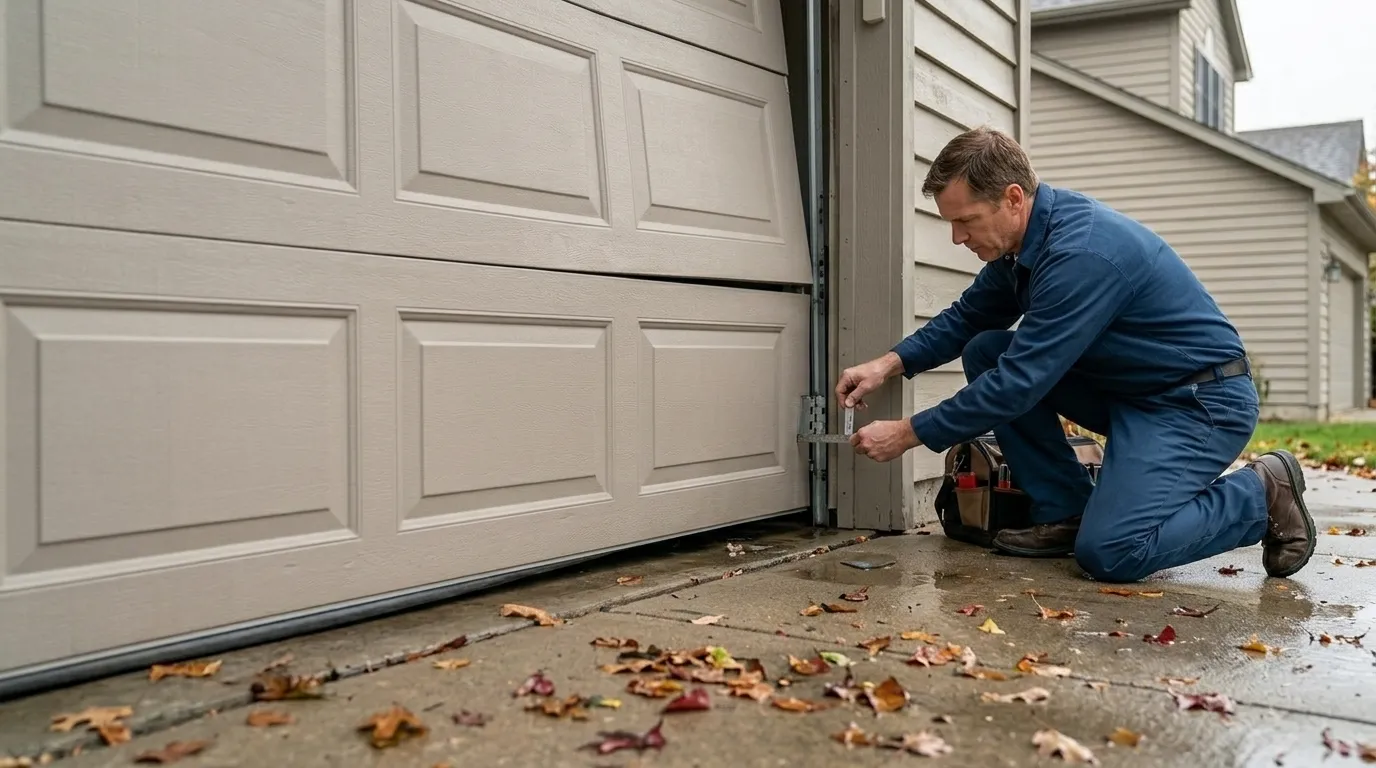
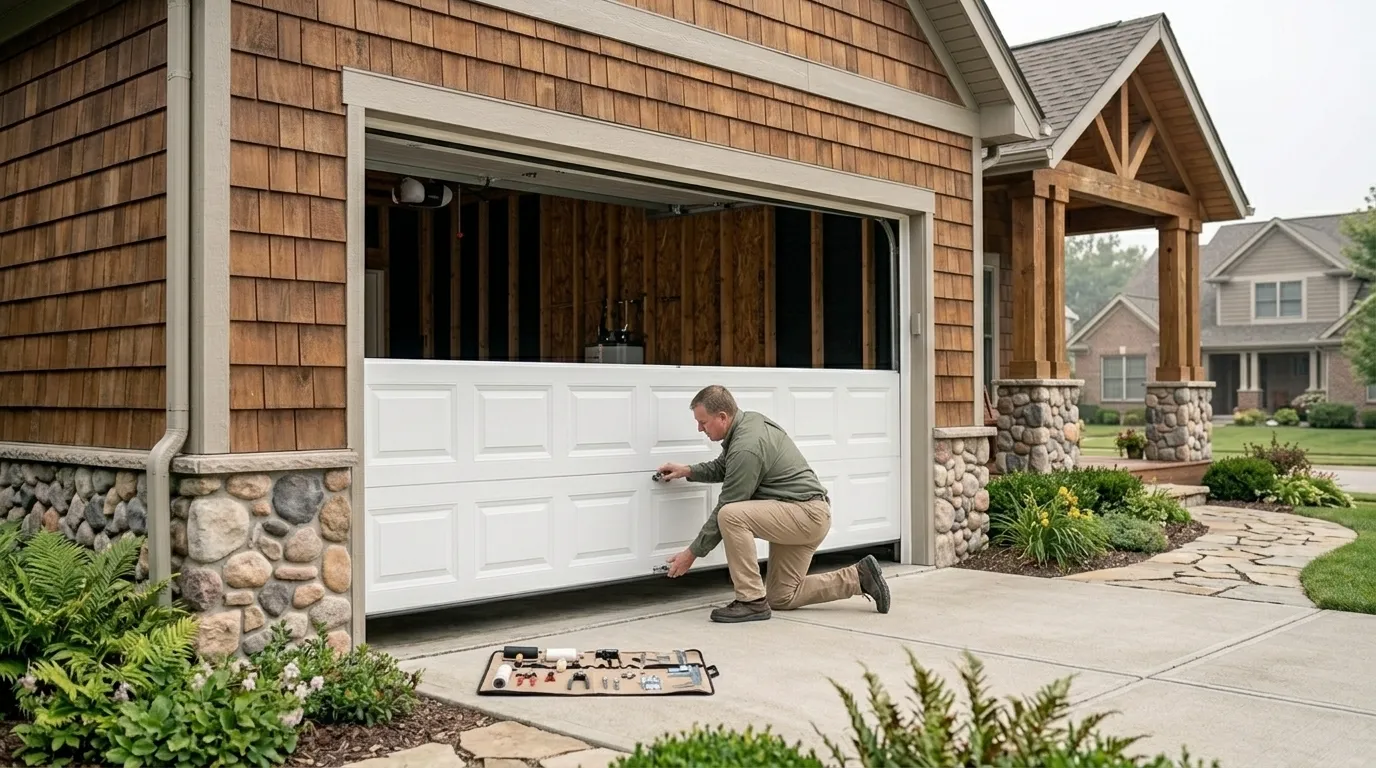
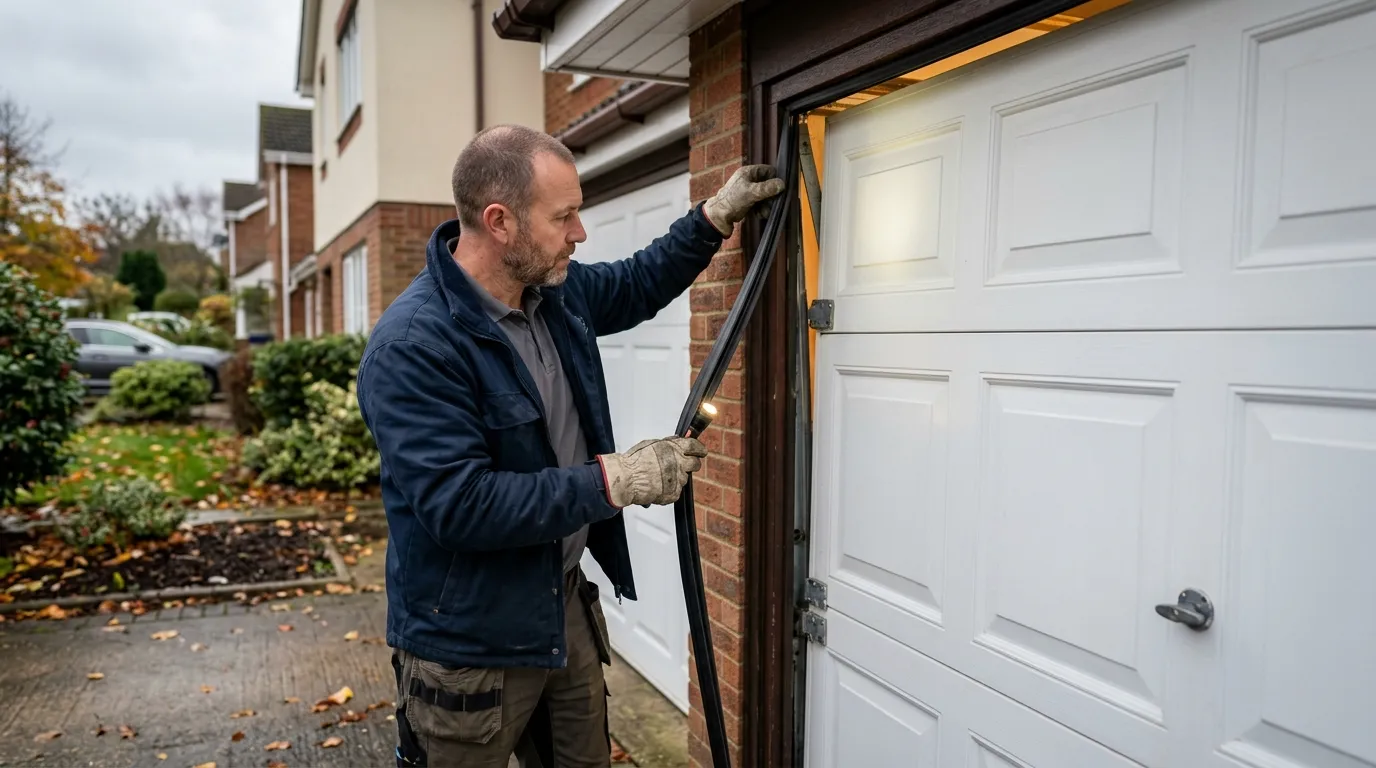
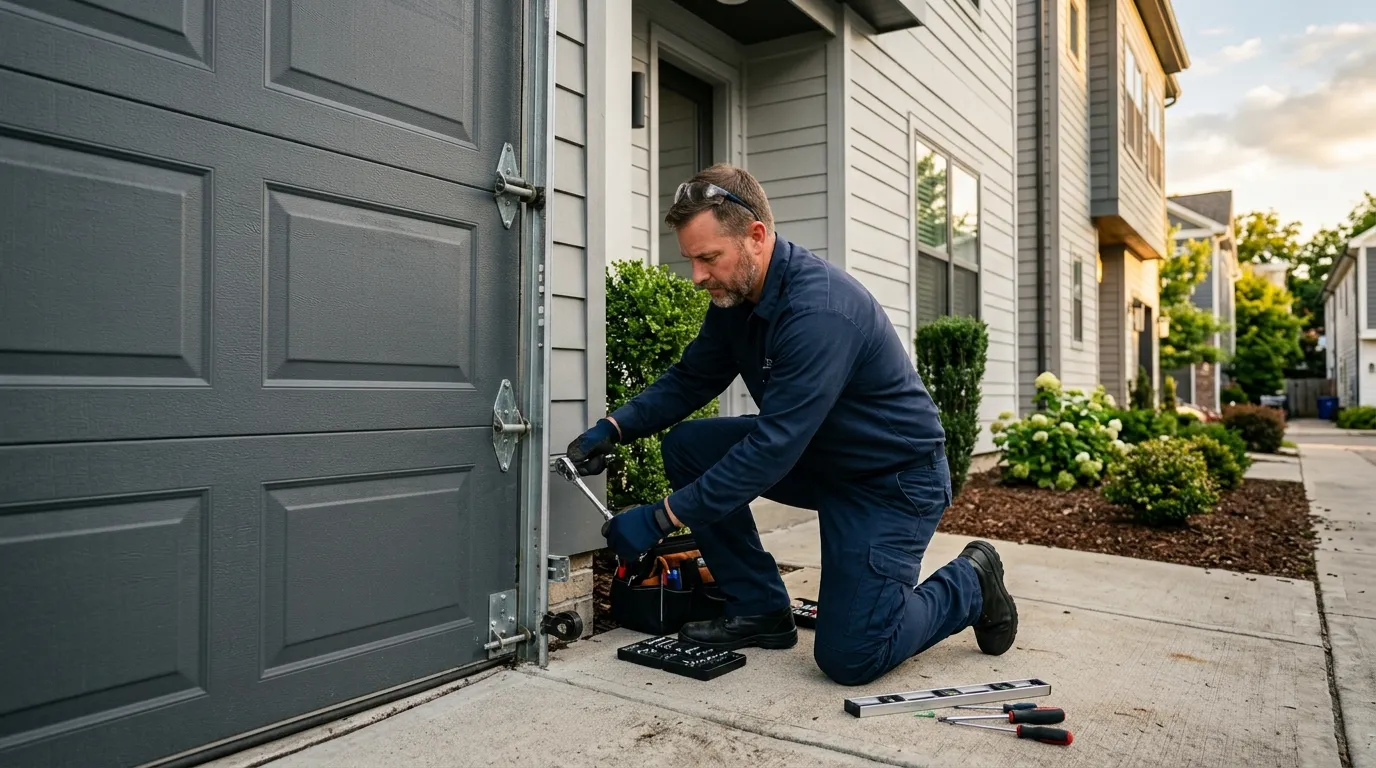
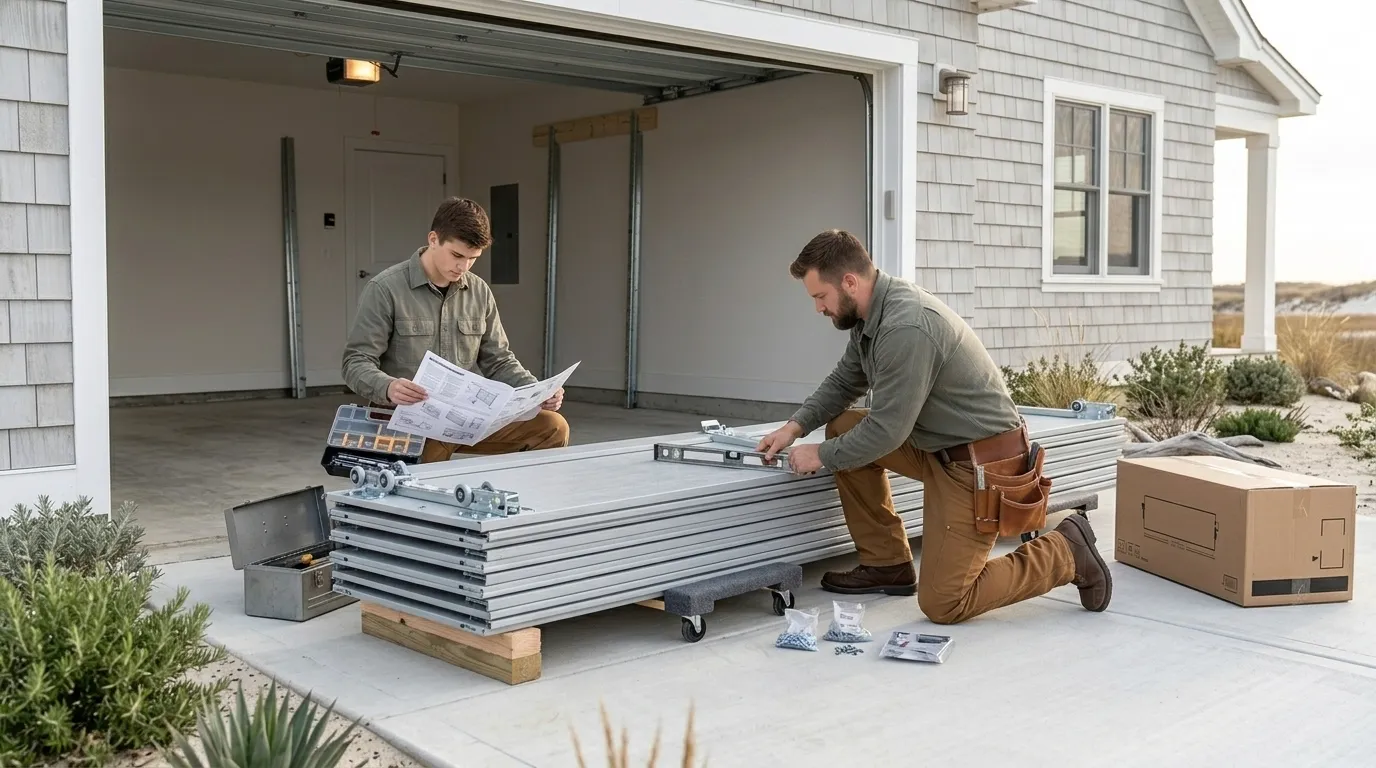
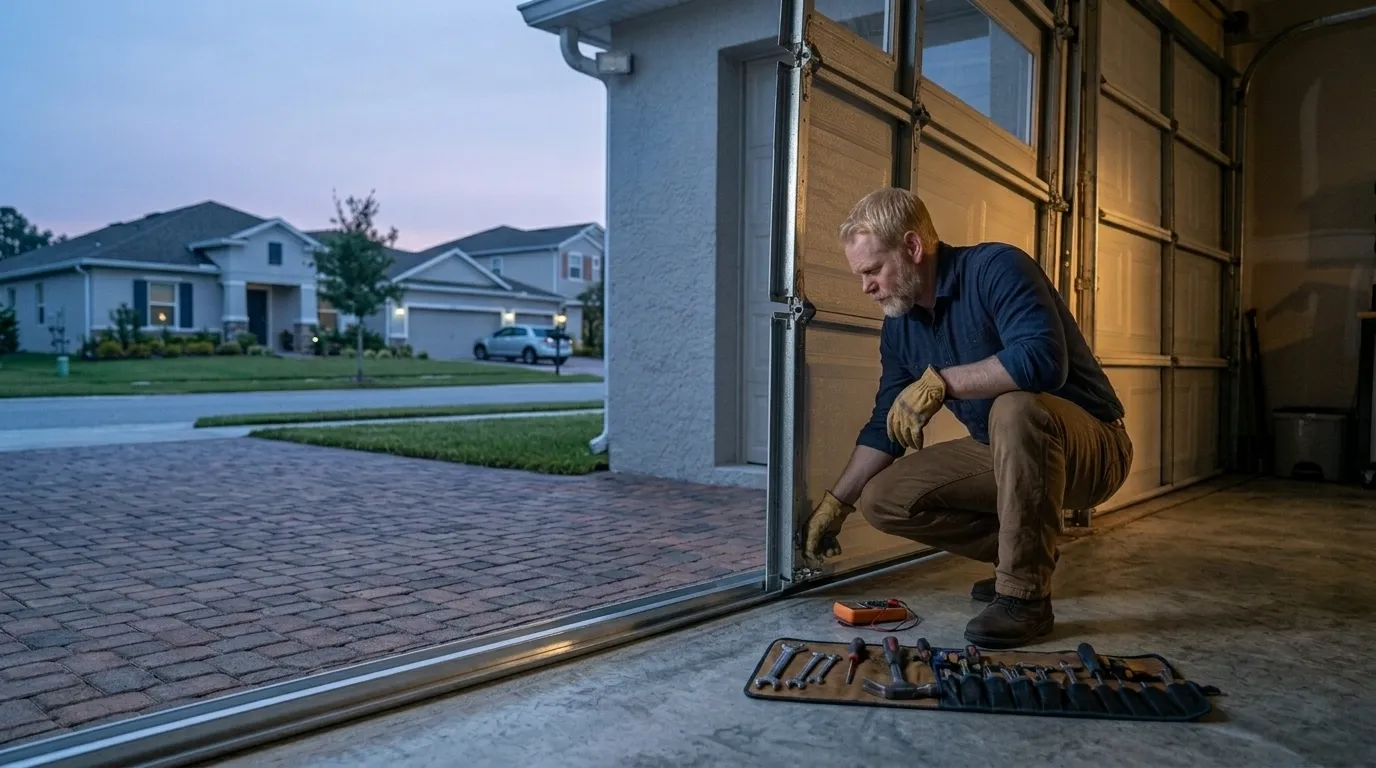
Judsonia's housing mostly dates to 1975 through 1997, with the median sitting at 1982, which puts a lot of doors here at 40-plus years on their original hardware if nobody's swapped it. Steel rollers from that era ride on a bare pin with a thin sleeve of nylon or nothing at all, and after four decades of the shaft flexing they either flat-spot or the pin wears egg-shaped inside the roller. The fix is not glamorous: we pull the door track section by track section, drop out the old rollers, check the track itself for the dents that come from years of a rough roller banging through it, and set new rollers in. If the track is gouged deep enough that a new roller will just repeat the wear pattern, we say so and straighten or swap that section too - putting good rollers into a bad track wastes your money and our trip.
Parts We Carry
We carry both nylon rollers and sealed steel ball-bearing rollers on the truck, in the sizes that fit the standard 2-inch and 3-inch stem lengths found on doors from Judsonia's building era. Nylon is what we put in most residential jobs - quieter, no lubrication needed, and it doesn't chew up a track the way an old steel roller with a dry bearing does. For heavier doors or anyone dealing with a track that's already a little tight, we've got the sealed steel option, which costs a bit more but holds up better under load. What we don't carry is a bin of parts for every oddball import door style; if a house out here has something genuinely unusual, we'll tell you that up front rather than force a fit.
What Can Go Wrong
The climate here runs cold-moderate, which means the grease in old roller bearings thickens up on the sharp-cold mornings and the door drags until it warms - a symptom people often mistake for a spring problem when it's really just a worn roller fighting cold grease. Left alone, a bad roller doesn't stay a roller problem. It walks sideways in the track, works the track bolts loose, and eventually bends the track itself, which turns a $200-class fix into a track-and-roller job. The honest limitation here: if the track is already bent when we arrive, straightening it is not always possible on-site depending on how far it's gone, and replacing that section is sometimes the faster, more reliable call. We'd rather tell you that on the driveway than have you find out three months later.