Booking a Visit
Judsonia is small - about 744 households, which is a sliver of the roughly 6,049 households spread across our whole service area. That size matters for how this job runs. We're not driving past Judsonia ten times a day the way we might through a bigger town, so when you call about a dented or cracked panel, we schedule the trip out from Searcy, about 6 miles away, and bring what a typical Judsonia door needs based on what we already know about the housing here.
We ask a few questions up front: the door's approximate age, whether it's steel or something else, and whether one panel is damaged or the whole run is racked and bent. That lets us load the right stock section before we leave the shop instead of guessing on-site. We don't keep a second branch or a standing crew in Judsonia - everything comes from Searcy - so a same-day visit depends on the day's route, not on distance alone.
What the Fix Involves
Most of the doors we see out this way were installed when the median house in the area was built, back in 1982, which puts a lot of Judsonia's garages squarely in that 1975 to 1997 stretch of construction. Doors from that era are usually steel, non-insulated or lightly insulated, and built with panel heights that don't always match what's stocked new today.
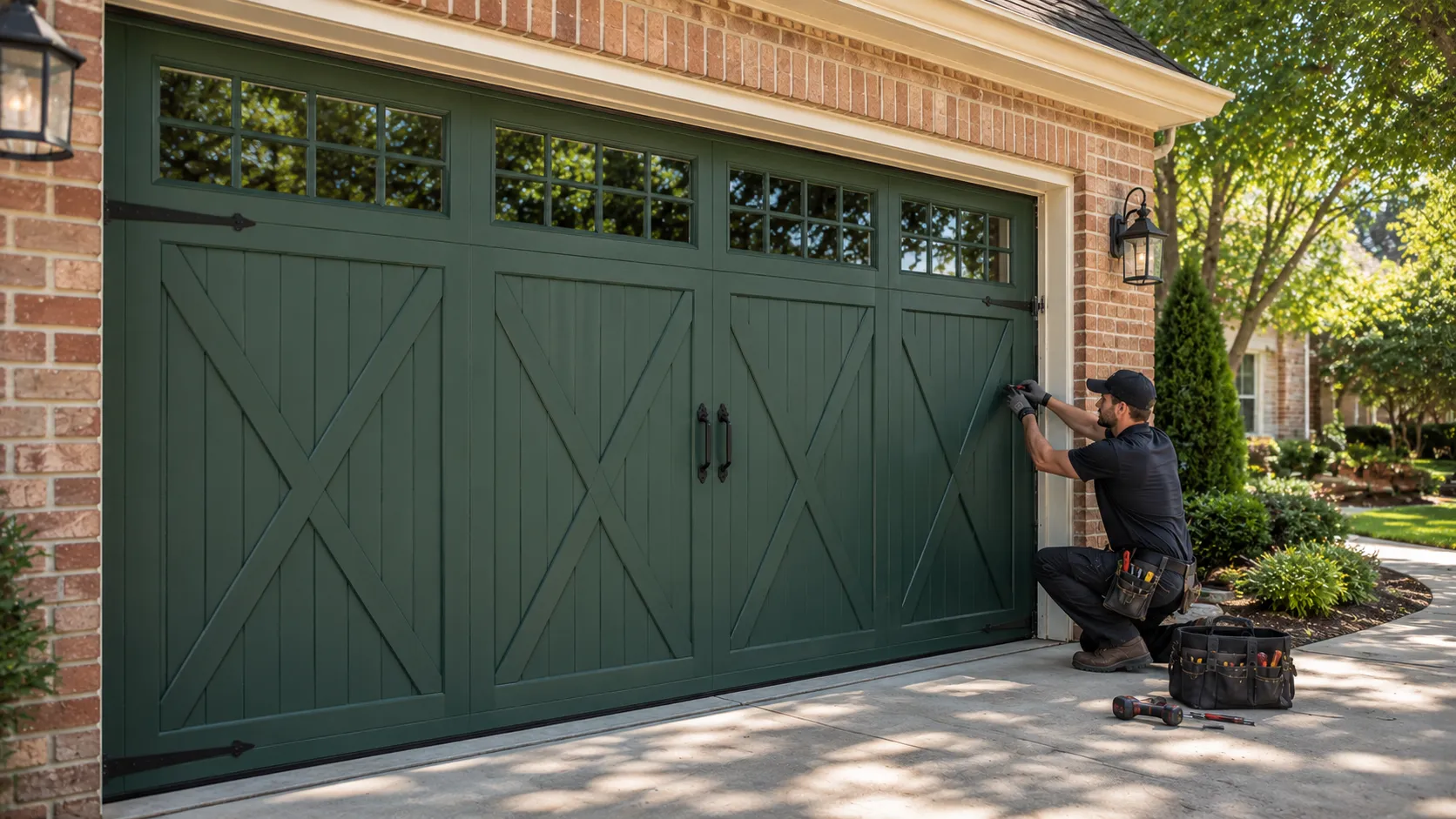
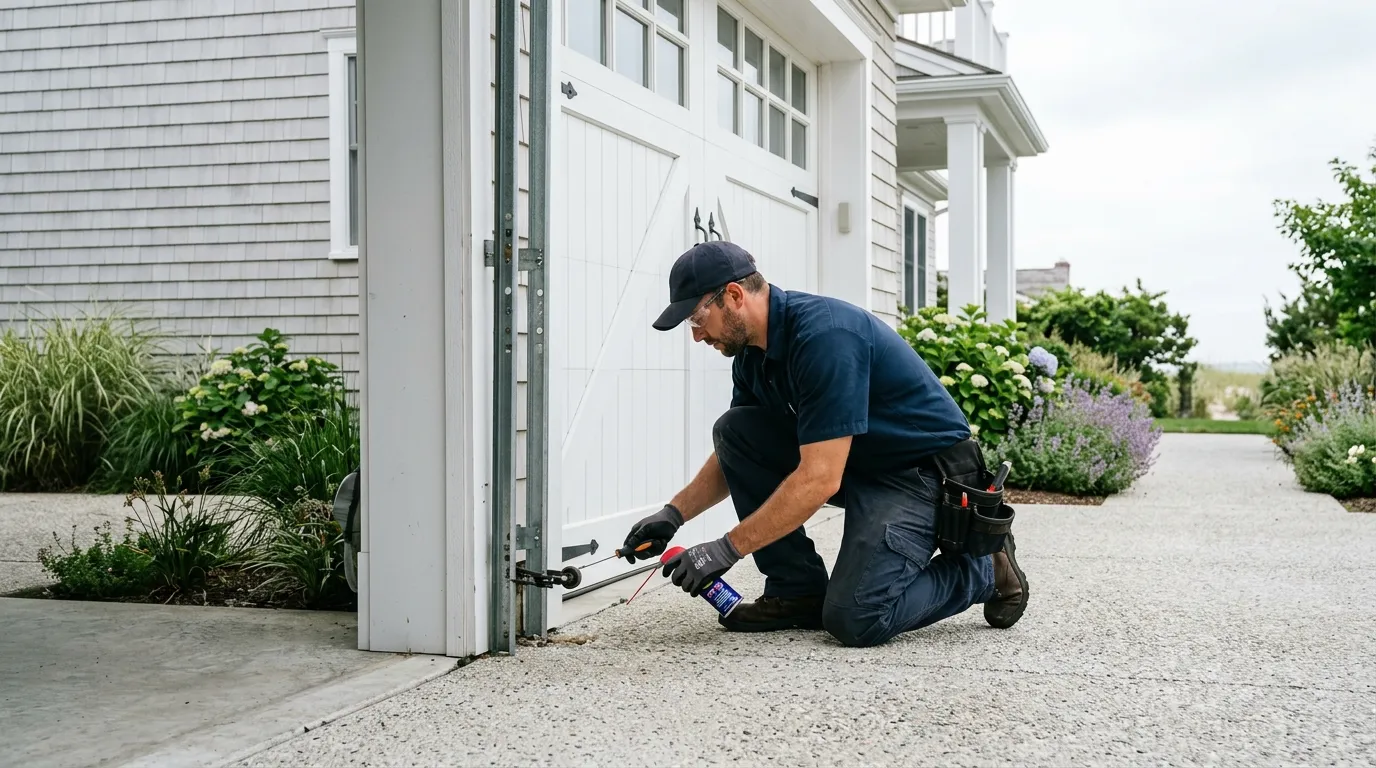
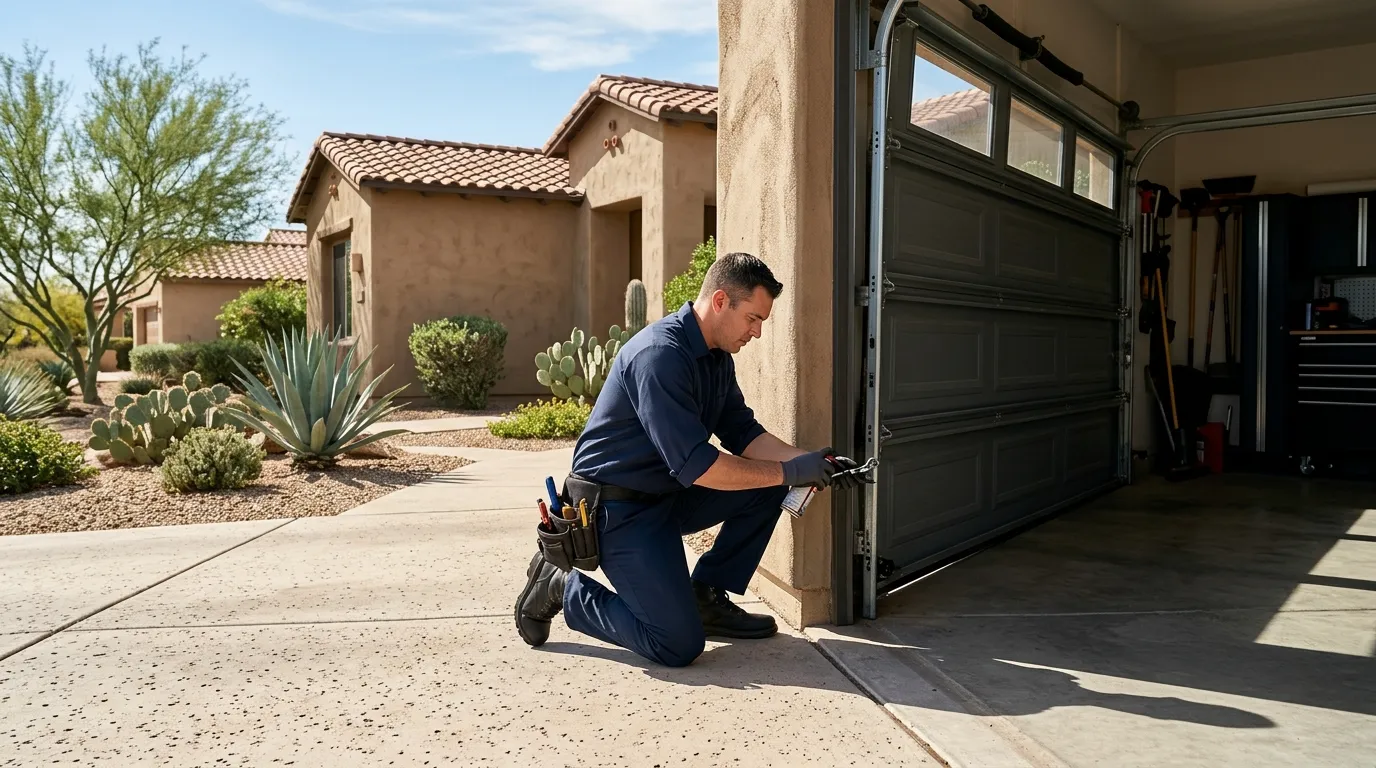
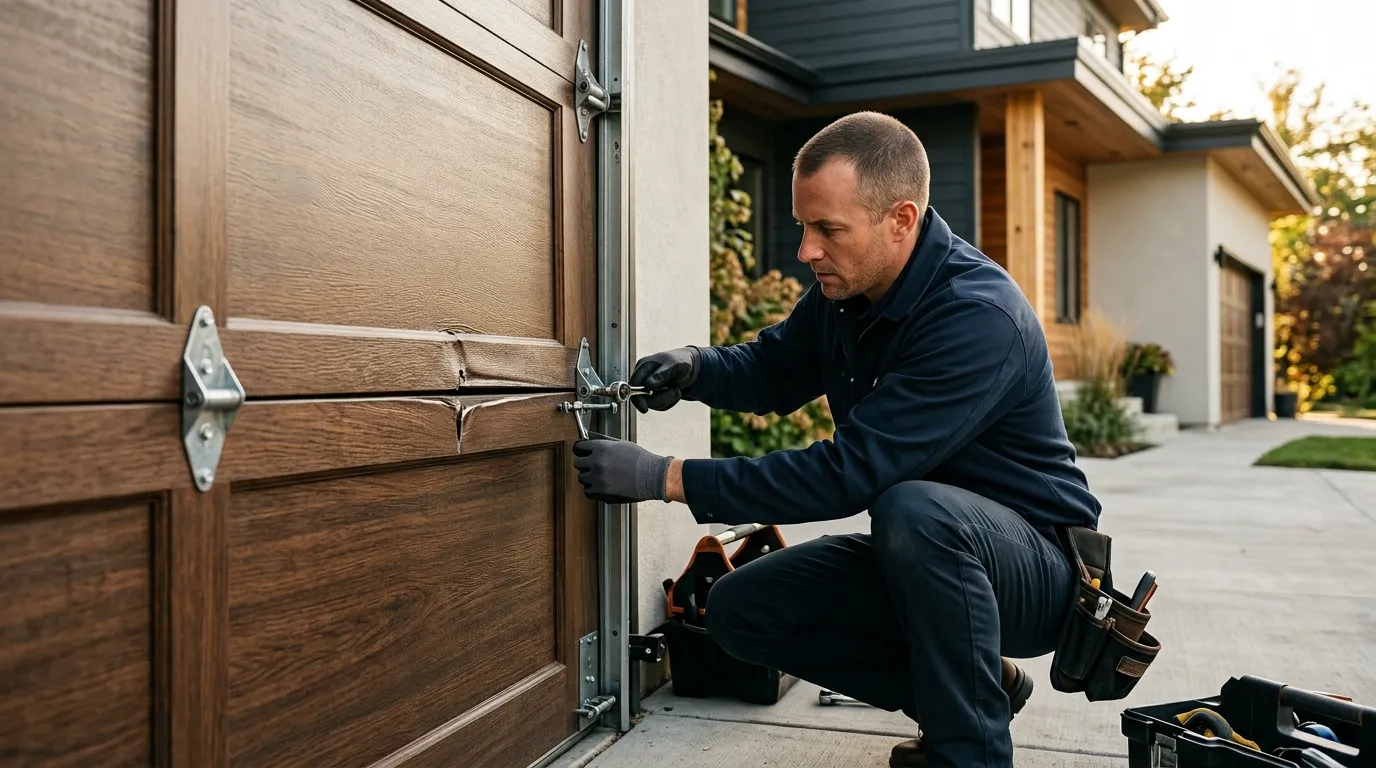
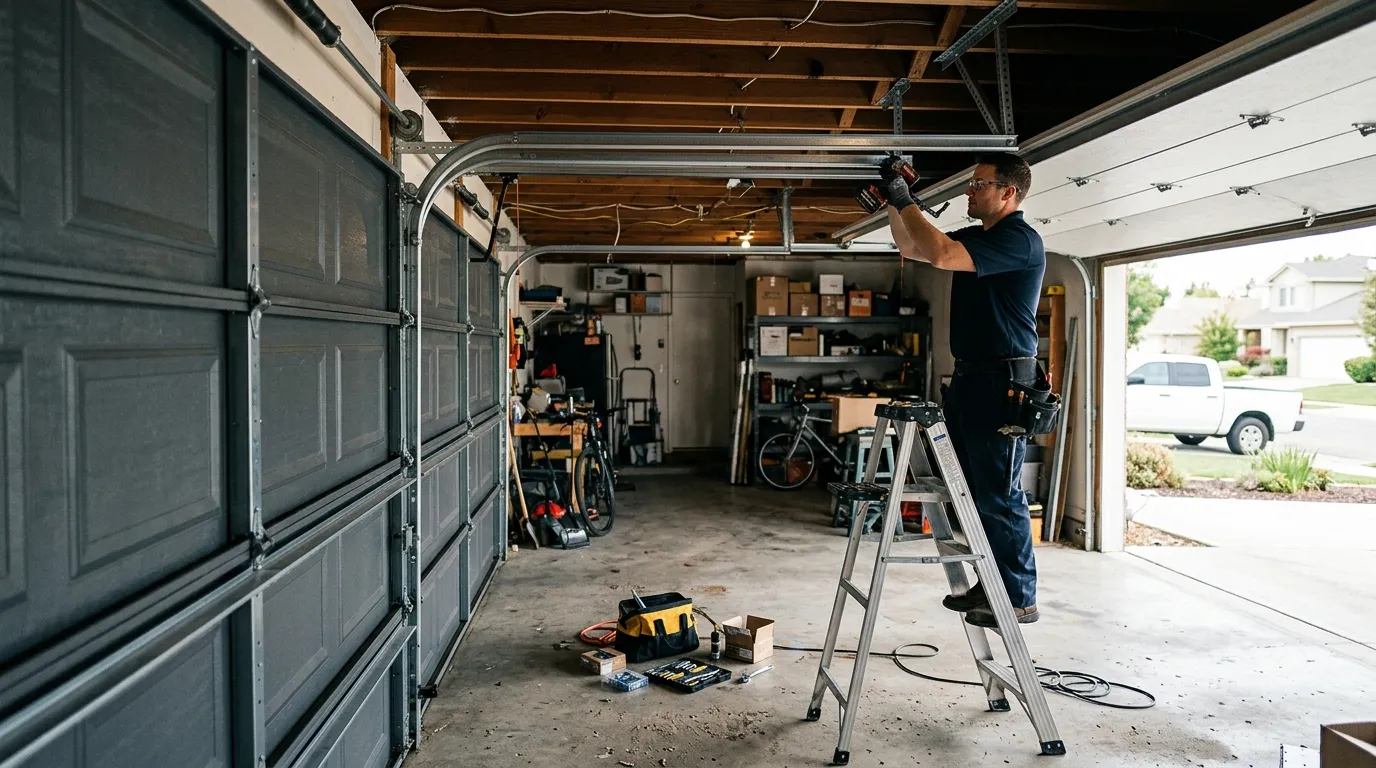
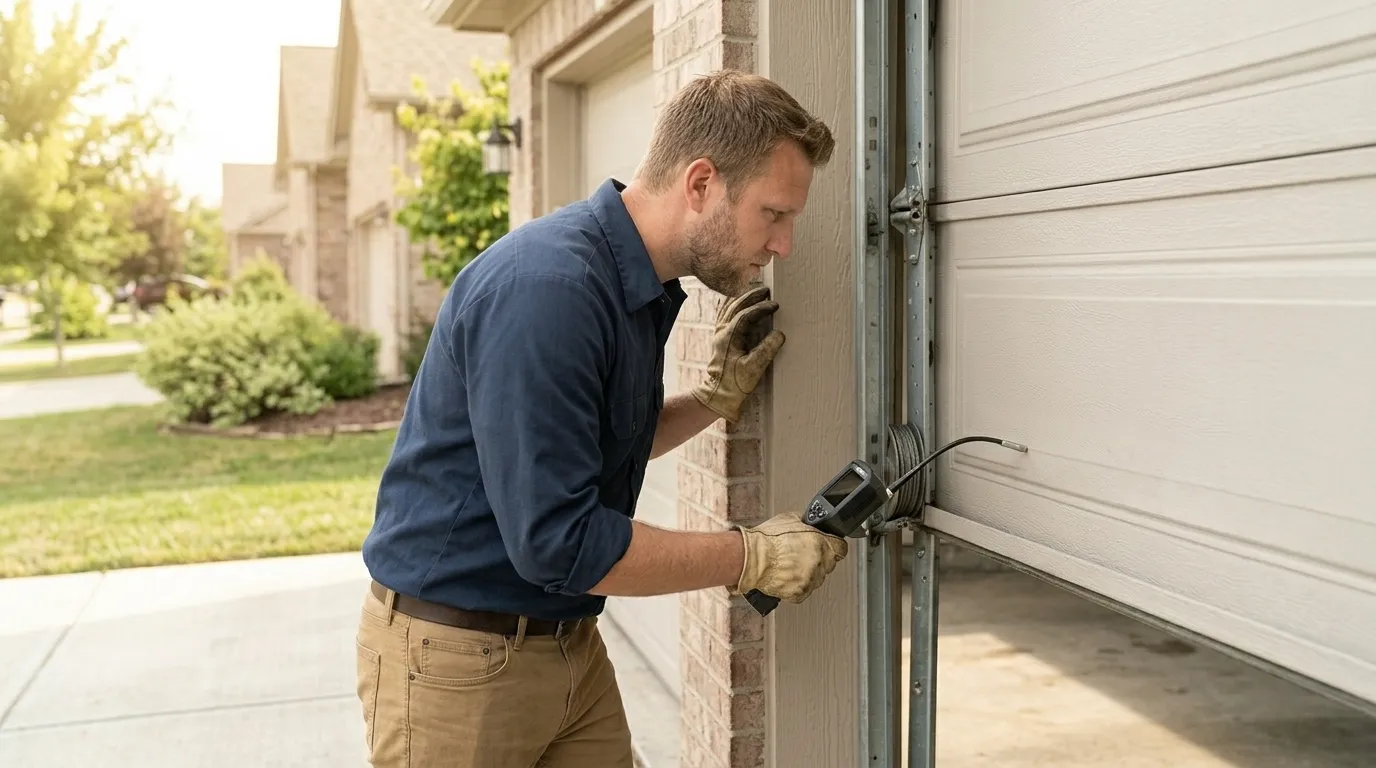
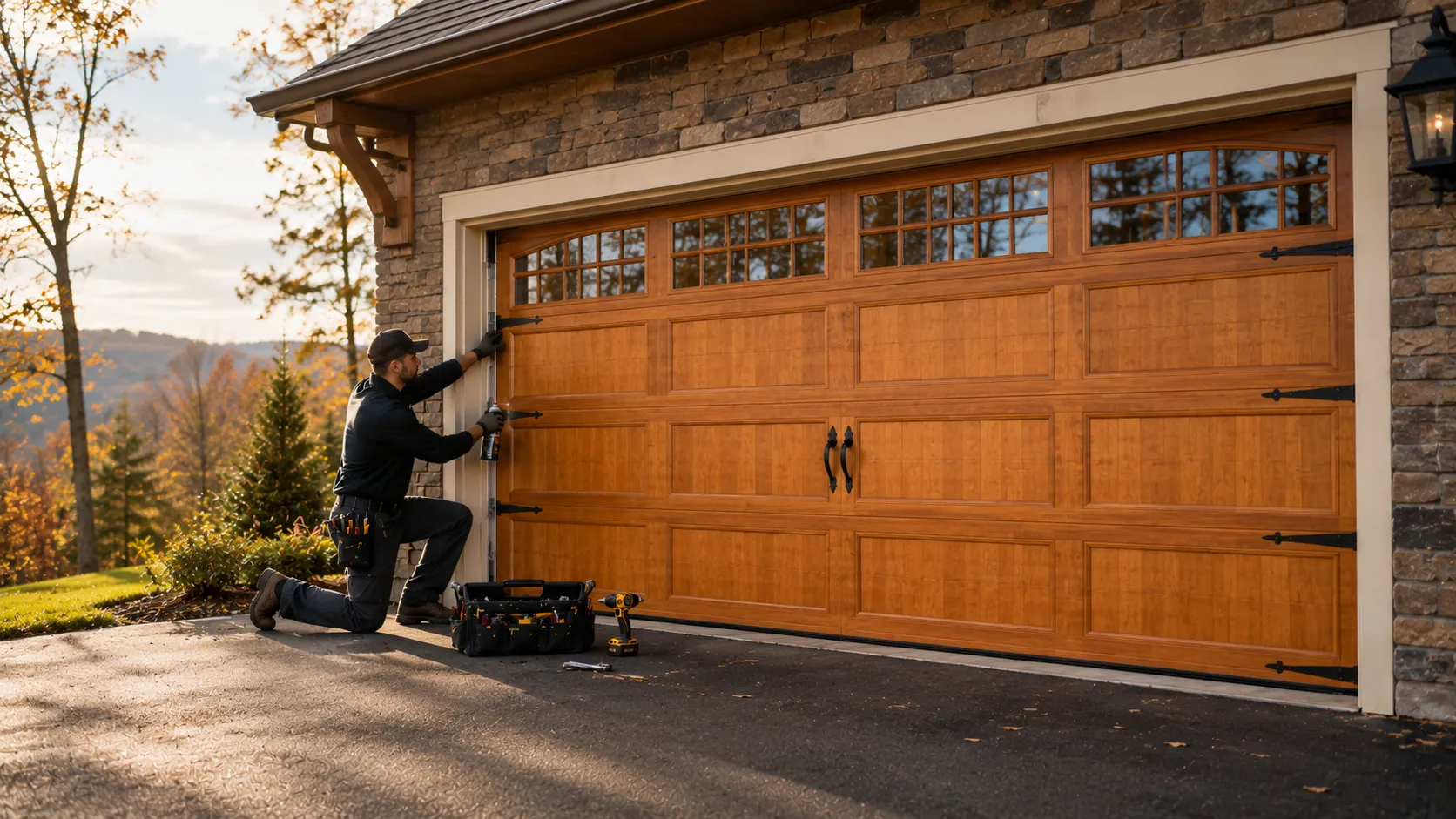
The fix itself is straightforward in concept: we pull the damaged section, unbolt it from the hinges and end stiles, and set the replacement in without disturbing the track or opener if the door is otherwise sound. The harder part is finding a panel that actually fits an older frame - matching the section height, the hinge spacing, and the color if the rest of the door has faded over a few decades of Arkansas winters. We check the track alignment and roller condition while we're in there, since a bent panel is sometimes a symptom of a door that's been dragging on worn rollers for years, not the whole story.
Parts We Carry
Because so much of the housing around here dates to the 1980s and 90s, we keep stock sized for that era's common panel heights and steel gauges, not just the newest door lines. That's the practical result of covering an area where the housing stock runs older on average - you end up carrying parts other shops in newer subdivisions don't bother with.
We carry standard steel panel sections in the sizes that turn up most in this region, along with matching hinges, end stiles, and the fasteners those older doors used. What we don't keep on the truck is a full match for every discontinued panel profile ever made - some older doors used proprietary shapes from manufacturers that no longer exist, and for those we may need to order a section or steer you toward replacing the full door instead of hunting for an exact twin.
What Can Go Wrong
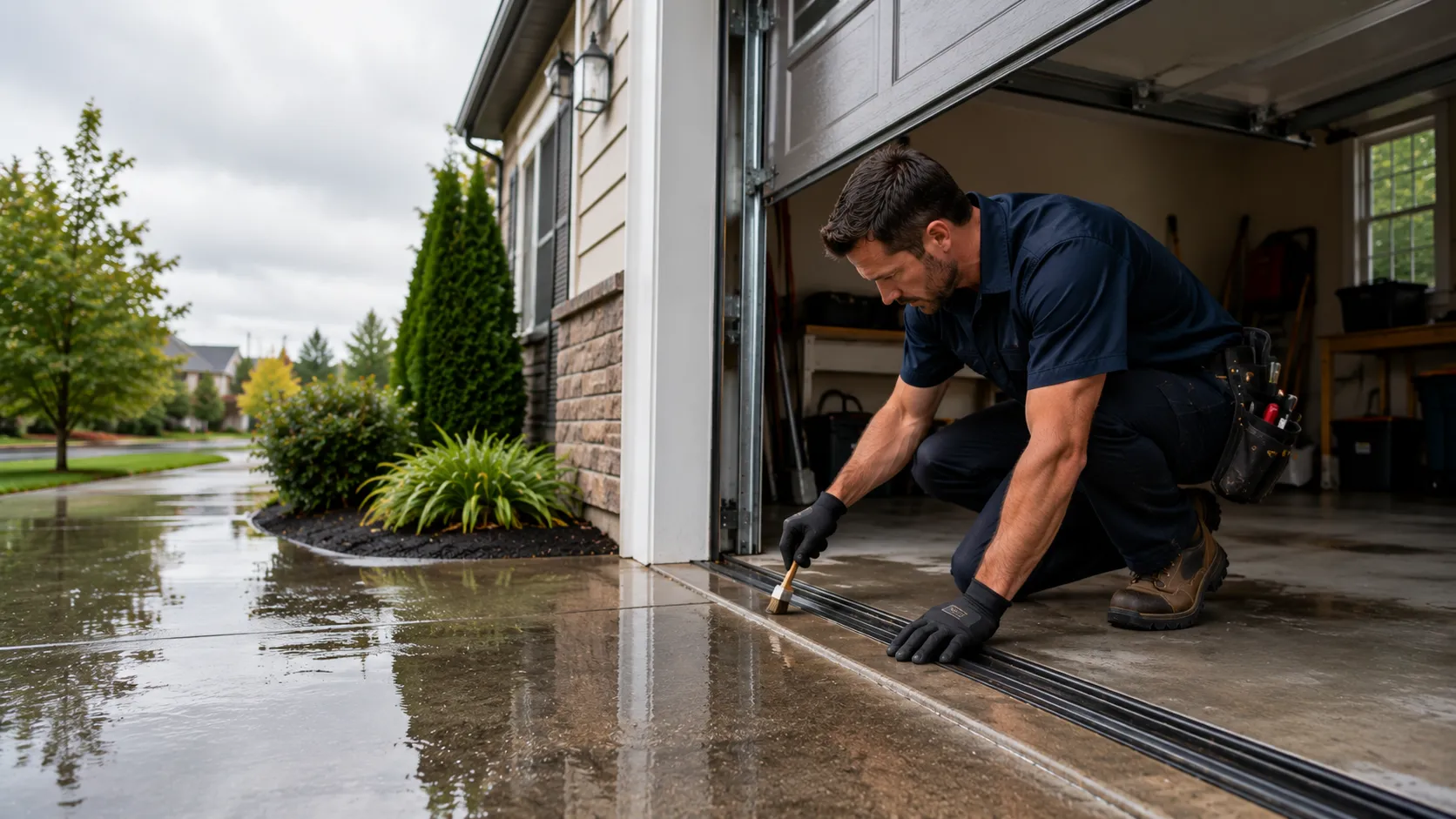
A cracked or dented panel rarely travels alone. On a door built decades back, we often find the damage sitting next to rust at the bottom section, from years of ground moisture and the area's cold, damp winters working at the steel edge. Swap one panel and leave that corrosion, and the next section starts failing within a season or two.
Misjudged hardware is the other common trap. Older Judsonia-area doors sometimes have hinge spacing or track widths slightly off from current standard stock, and forcing a new panel to fit can throw the whole door out of alignment, straining the opener and springs. We check the full door, not just the damaged section, before we call the job done - a panel swap that ignores the rest of an aging door usually turns into a second service call.