What Can Go Wrong
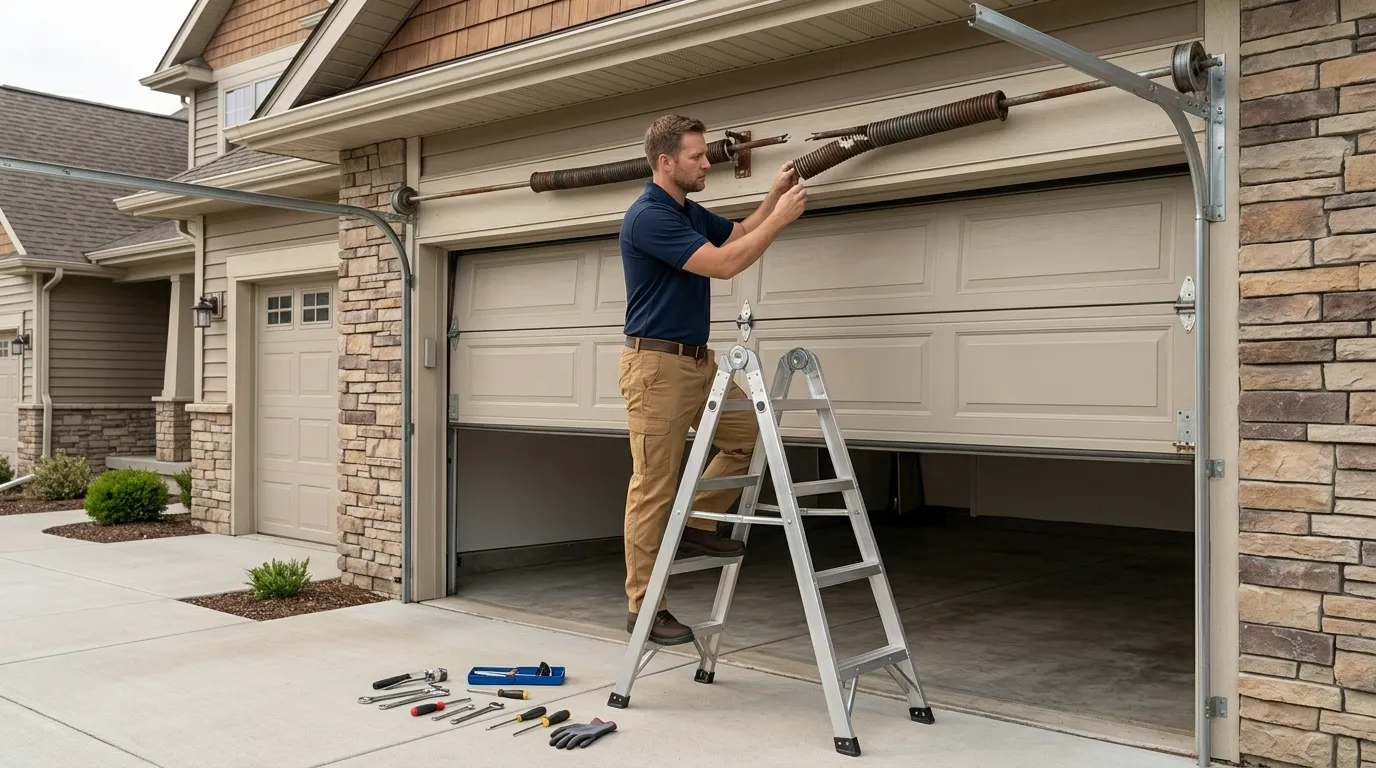
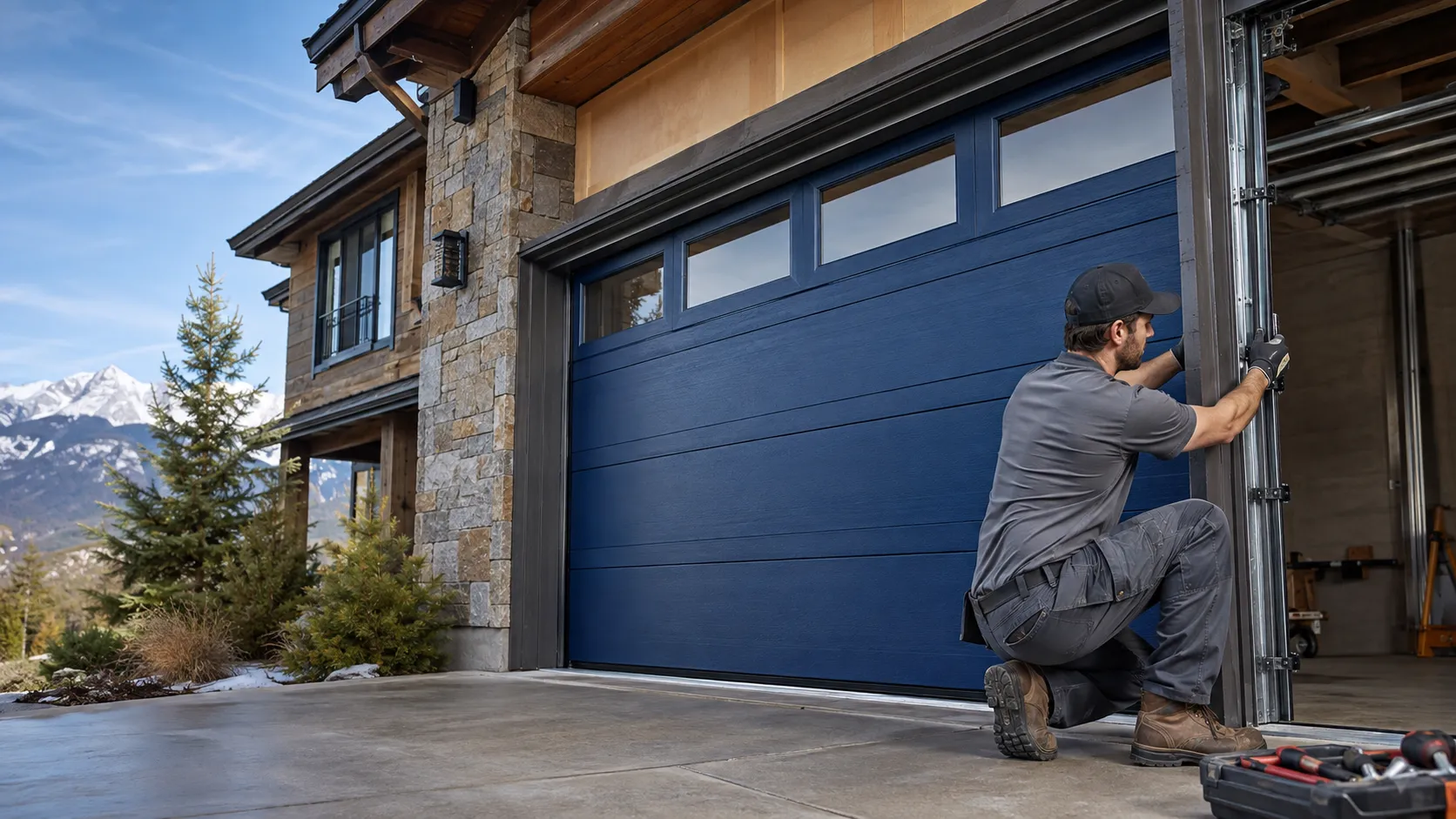
Beebe is a smaller town inside our coverage area, around 3,301 households, which means the fault pattern we see out here is narrower than what turns up on a bigger job list. Fewer houses, fewer variations in what got installed, and a housing stock that leans newer than the region as a whole - median build year here sits around 1997, well past the 1975-1997 window (median 1982) that covers the wider service area. That later build date matters for cable work specifically: doors from this era were shipped with galvanized lift cables on extension-spring systems more often than the torsion setups common on older stock nearby. The failure we see is usually a frayed strand at the drum or a cable that's jumped its track after a roller seized, not the snapped-torsion-spring calls that dominate on older houses in Kensett or Judsonia. A door that drops unevenly, one side lower than the other when it's halfway up, is almost always a cable problem on this kind of door, not the opener. We also see cable wear tied to how the door sits - if the bottom bracket is bent from a car bumping it, the cable rides wrong and frays faster than it should on a door this age.
Doing It Yourself
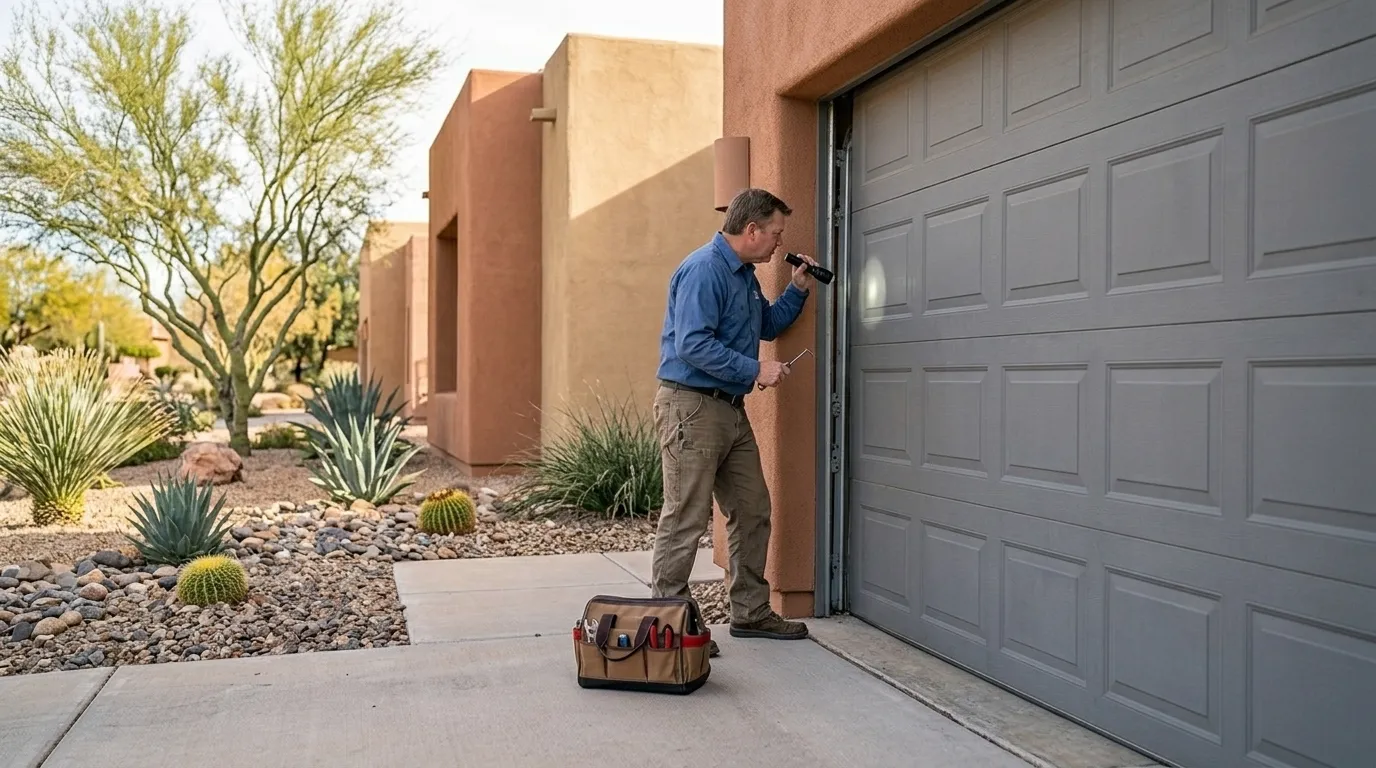
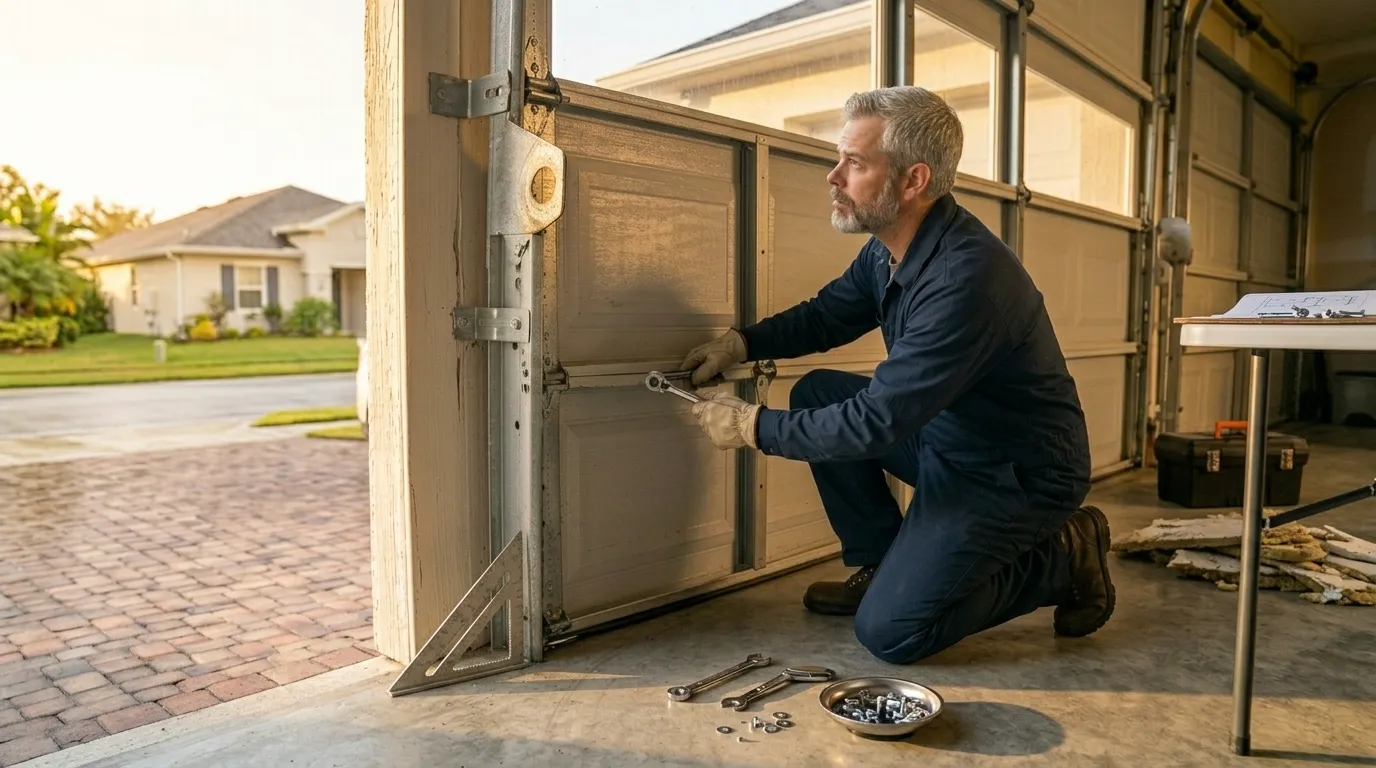
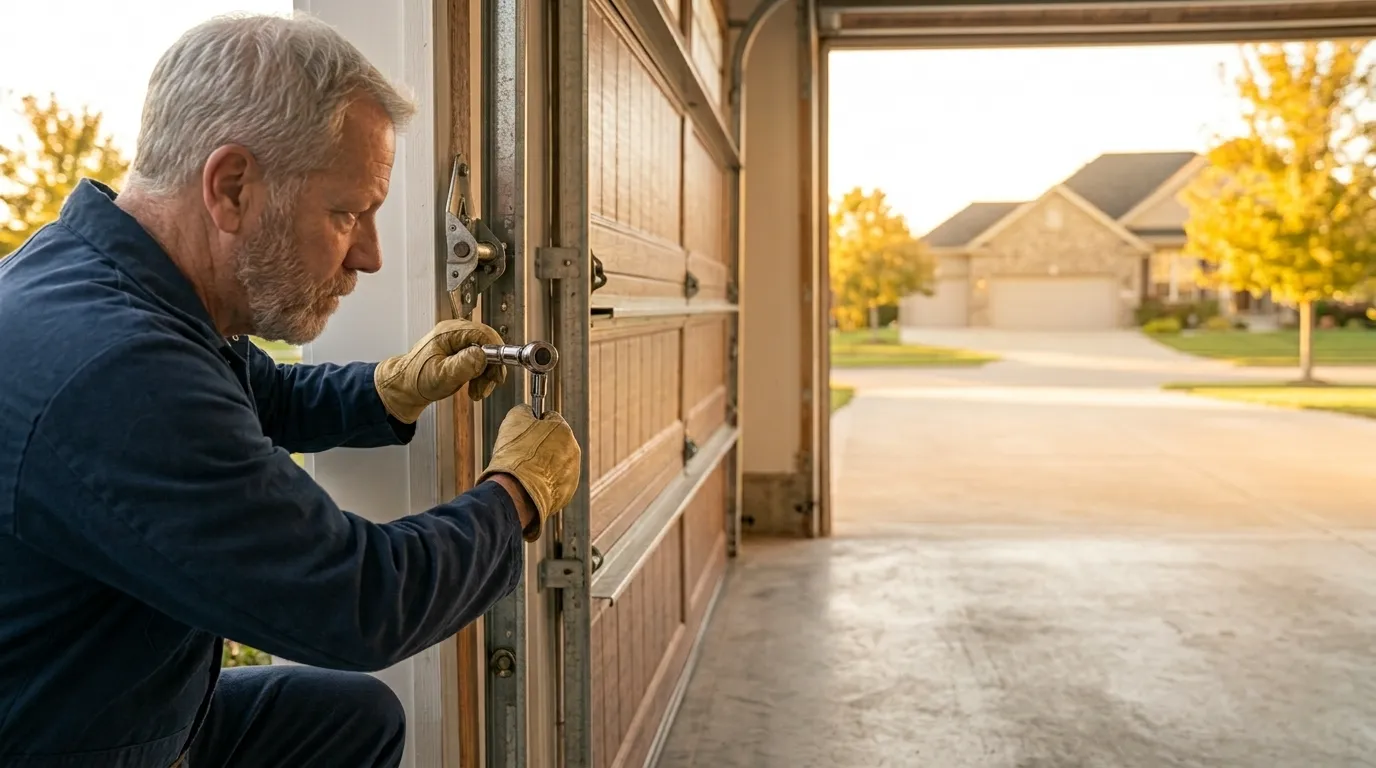
Extension-spring cable is under real tension even with the door down, and the spring itself can still let go while you're working near it. We don't recommend loosening a cable clamp or pulling a drum pin on a system built the way most Beebe doors are, even for someone comfortable with tools. Where a homeowner can safely do their own work: check the cable for visible fraying near the bottom roller bracket, check that the pulley (on extension systems) turns freely, and make sure nothing is binding the track. If a cable has already come off the drum, don't try to force the door up or down - leave it and call. If it's still moving but making a scraping or clicking sound at one corner, that's early warning, not an emergency, and it's worth getting looked at before it becomes one.
How It Shows Up
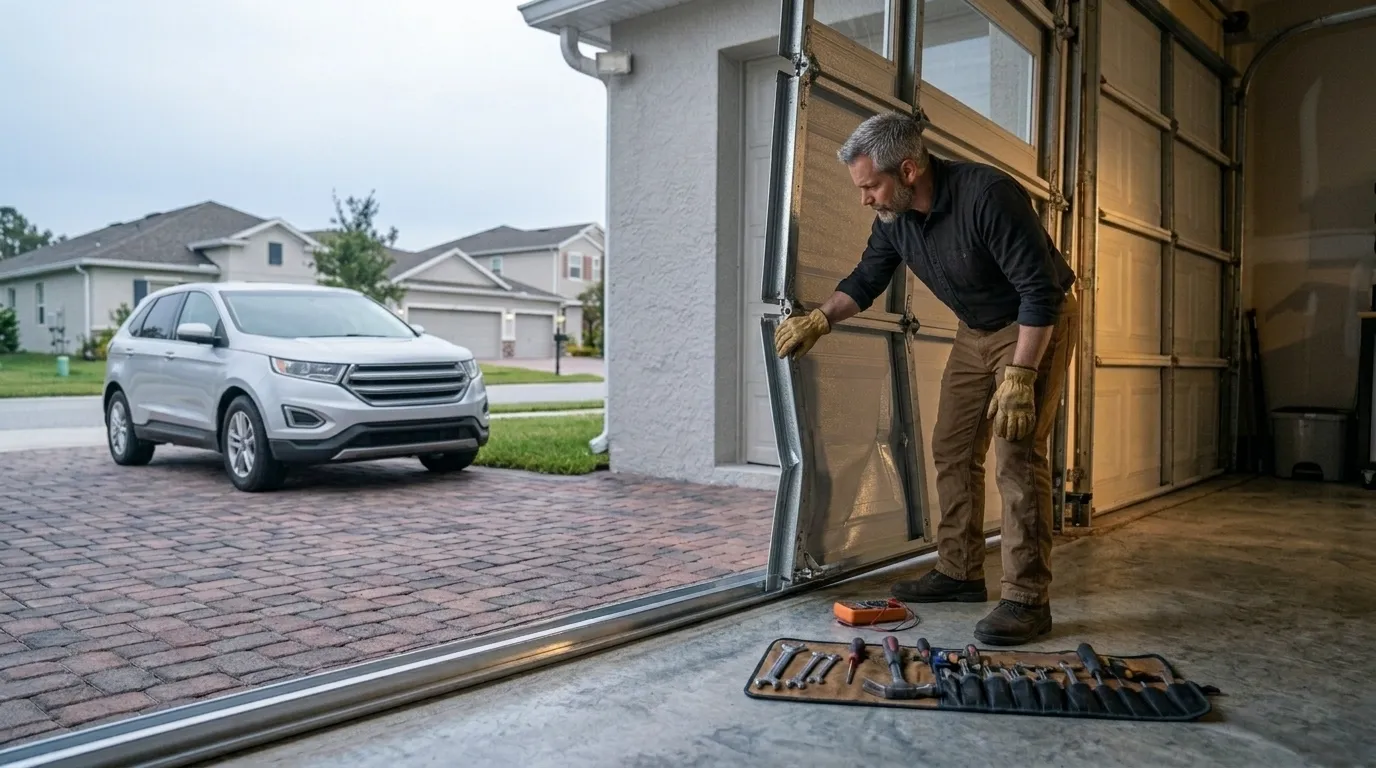
On the newer stock common in Beebe, a bad cable usually shows up as one corner of the door sagging while the rest tracks normally, or a door that reverses itself partway up because the opener senses resistance from a cable riding off its pulley. You might hear a single loud pop if a cable's already parted, followed by the door refusing to move at all, or moving only on one side. Compare that to a torsion spring failure, which tends to make the whole door feel too heavy to lift by hand rather than dropping crooked - that's a different repair and different parts.
How Long You Are Without the Door
We don't quote a standard turnaround for Beebe calls, since the trip out and the part on hand both factor in, and we're not going to state a time we can't stand behind. What we can say: if the cable has already separated, the door isn't safe to force open or closed in the meantime, so plan to leave a car out or use a side door until we get there.