Why It Happens Here
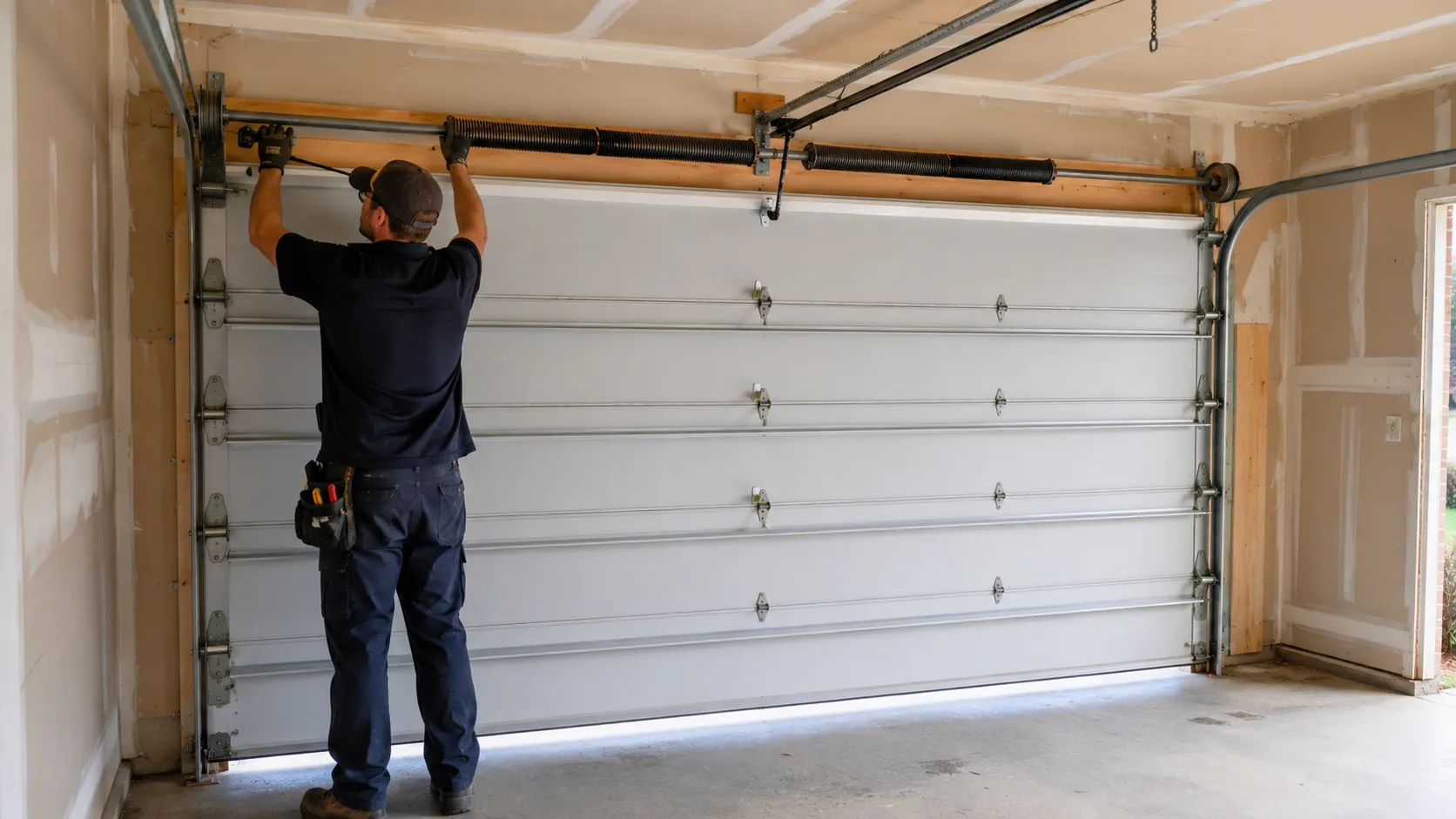
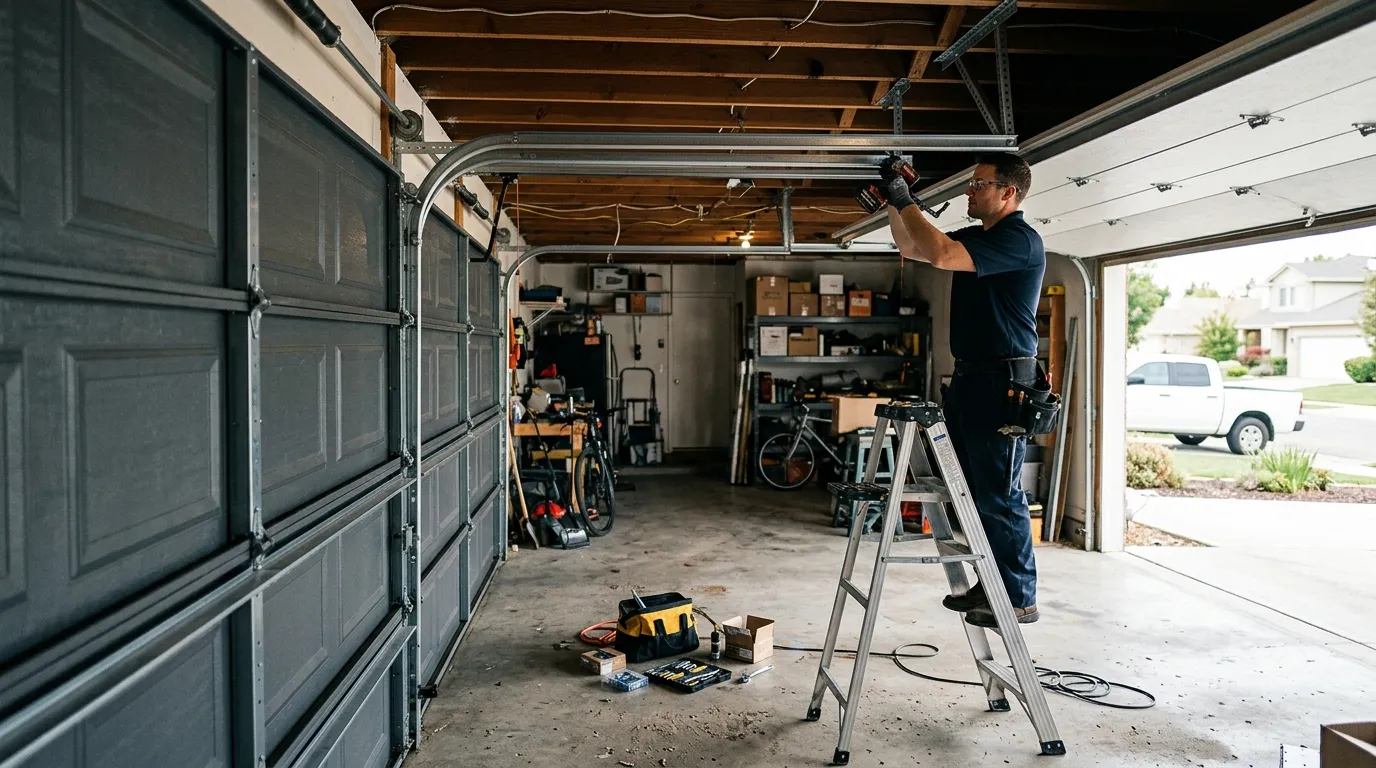
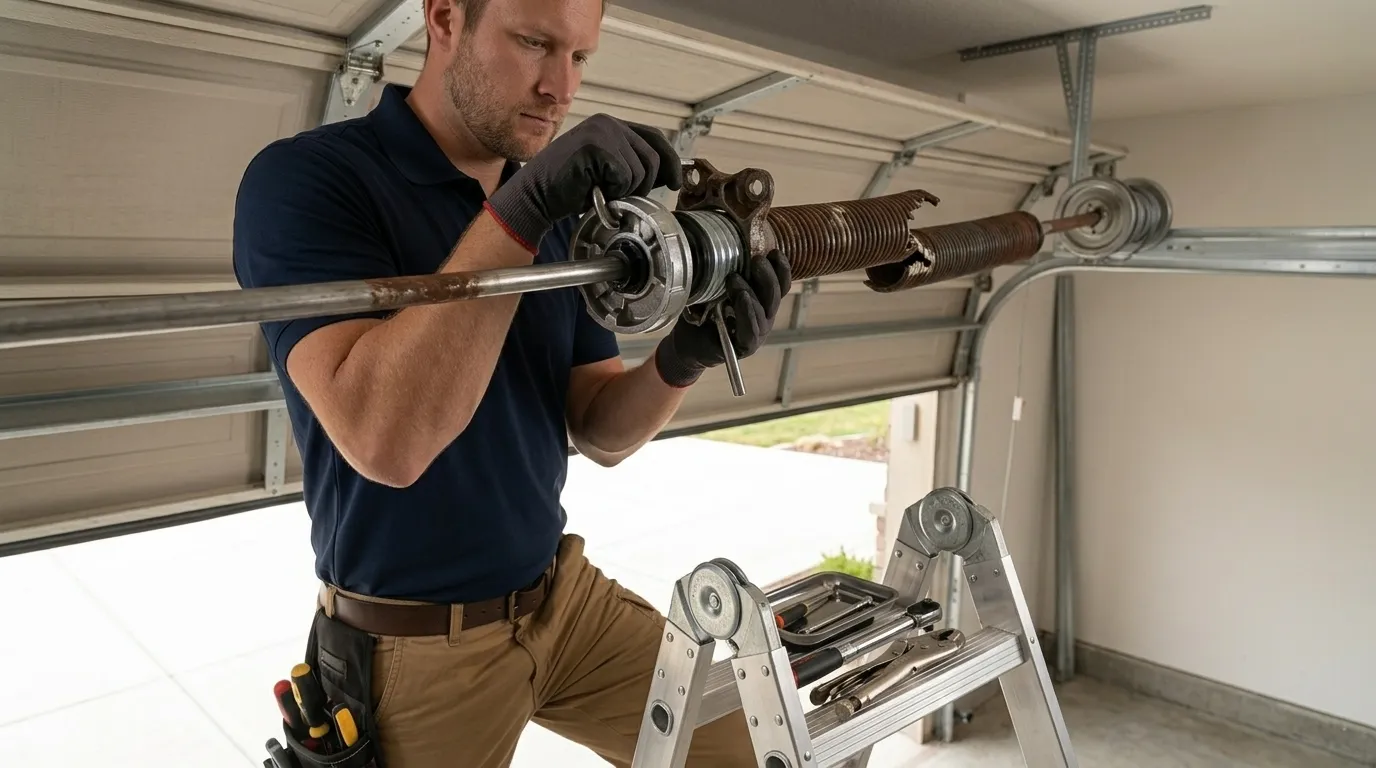
The fault we see most in Bald Knob is a door that reverses halfway up, or an opener that runs but never trips the safety reversal the way a newer unit should. That's not random. The median home here was built around 1975, older than the 1982 median across the wider service area, which means a lot of these garages still have their original hardware: extension springs mounted along the horizontal track instead of torsion springs over the header, and openers old enough to predate the 1993 federal rule requiring photo-eye sensors. Extension-spring setups rely on a pulley-and-cable system that stretches and frays with age, and without a photo-eye, an opener that senses resistance from a sagging cable will just reverse and keep reversing.
Across the wider area, most stock dates to the 1980s and 90s, so Bald Knob's houses are, on average, a bit older than their neighbors. That gap matters when we're pricing a job, because parts for a 45-year-old extension-spring door aren't the same parts we're grabbing for a 1990s torsion setup ten minutes away.
How It Shows Up
Owners usually describe one of a few things: the door climbs a few inches and drops back down, the opener chain or belt runs loud and grinds partway through the cycle, or the door closes unevenly, dragging one corner along the ground. On extension-spring doors specifically, a snapped cable will drop that side of the door hard and fast, no warning click first.
Another pattern tied to the age of the stock: rollers that have worn oval instead of round, which makes the whole door shudder in the track even before anything actually breaks. If your door has never had the rollers swapped, and the house has never had a garage door replacement, there's a decent chance that's original 1970s hardware still doing the work.
How Long You Are Without the Door
For a straightforward fix, a snapped cable, a worn roller, an opener sensor alignment, most jobs get the door back in service in one visit. The honest limitation is parts availability on the older extension-spring systems: if your track hardware is genuinely original to a mid-1970s build, we may not carry that exact pulley bracket on the truck, and a special order can add a few days.
That's the trade-off with older houses. A torsion conversion, which replaces the whole spring system with something current parts stock actually supports, is often the more sensible long-term fix rather than chasing discontinued extension-spring parts every couple of years. We'll tell you straight if that's where your door is at instead of patching around it.
What Can Go Wrong
The climate here runs cold and moderate rather than extreme, but repeated freeze-thaw cycles through a Bald Knob winter still take a toll on 50-year-old spring steel. Metal fatigue shows up as a spring that's lost tension unevenly, so the door feels heavier on one side when you lift it by hand with the opener disconnected.
Panels on original steel doors from this era can also show rust-through at the bottom section, where snow melt and rain sit longest, especially if the door's never been repainted. Left alone, a rusted panel edge eventually stops sealing against the weather strip, and cold air starts finding its way into the garage year-round, not just in winter.