Why It Happens Here
Most houses in Bald Knob went up around 1975, which puts the neighborhood at the older edge of what we see across the wider Searcy service area, where the median build year runs closer to 1982. That ten-year head start matters for garage doors specifically. A door installed when the house was built is now pushing fifty years old if it's original, and even a replacement put in during a remodel is likely a single-layer steel or wood-panel door on an extension spring setup rather than the torsion hardware that's been standard for decades. Openings from that era tend to run narrower too - single-car bays sized for the cars of the mid-70s, not the trucks and SUVs people park in Bald Knob driveways now. When a homeowner calls about a new door, we're usually not swapping like-for-like. We're often widening the conversation to whether the header and track can take a wider or taller panel without reframing the opening. That's a fact about this stretch of housing stock, not a sales pitch - a door from a newer build a few miles away in a 1990s subdivision doesn't carry the same question.
How It Shows Up
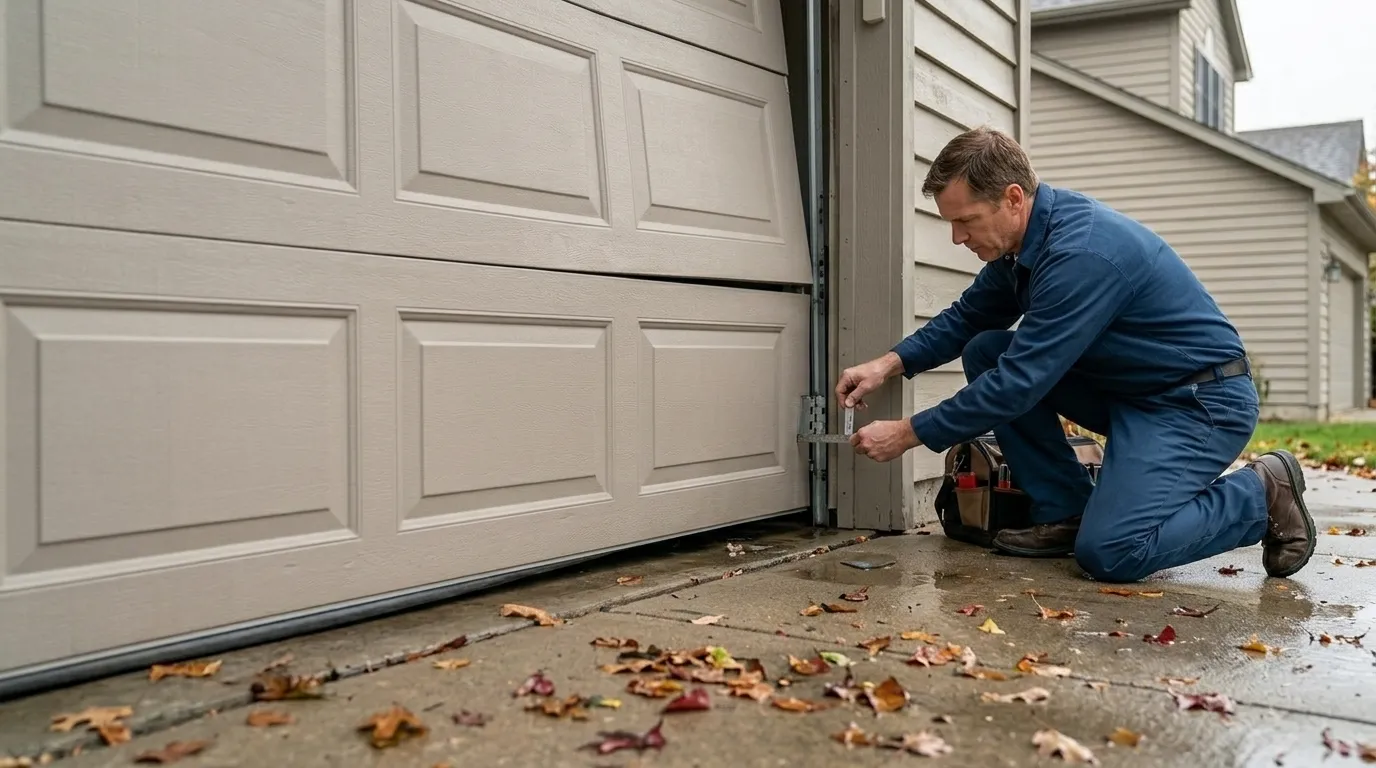
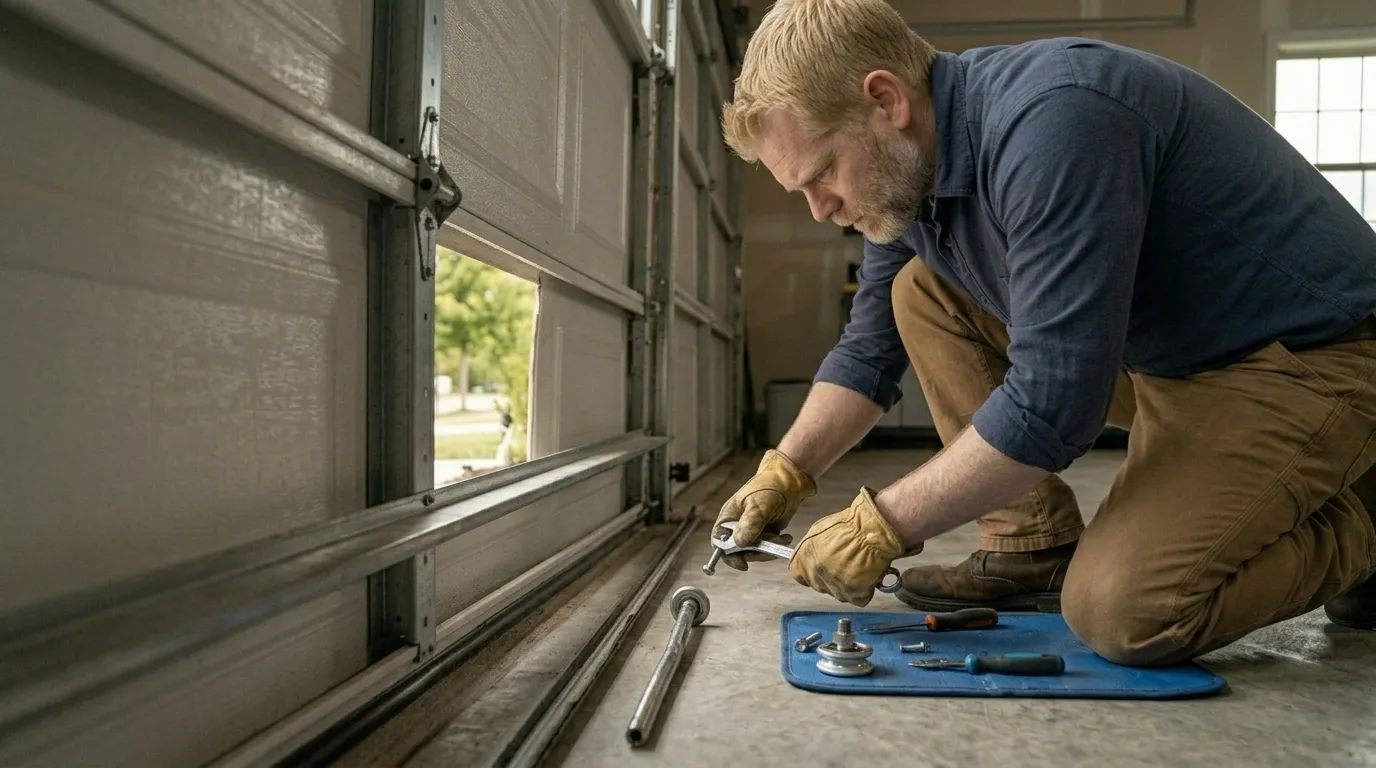
The first sign is usually cosmetic before it's mechanical - a door that's sagged at the bottom panel, or one where the paint or wood facing has taken forty-plus winters of freeze and thaw. In a cold-moderate climate band like this one, repeated freeze-thaw cycles work on old seals and panel seams before they touch the springs or opener. Homeowners notice drafts along the bottom seal, or a door that drags going up because the track has shifted slightly out of true over the decades. On some of these older single-car openings, the door is also just narrower and shorter than what's sold new today, so a straight swap isn't always on the table - we measure the header height and side clearance before quoting anything, because a lot of 1975-era openings need a jamb kit or minor framing work to take a standard modern door size.
How Long You Are Without the Door
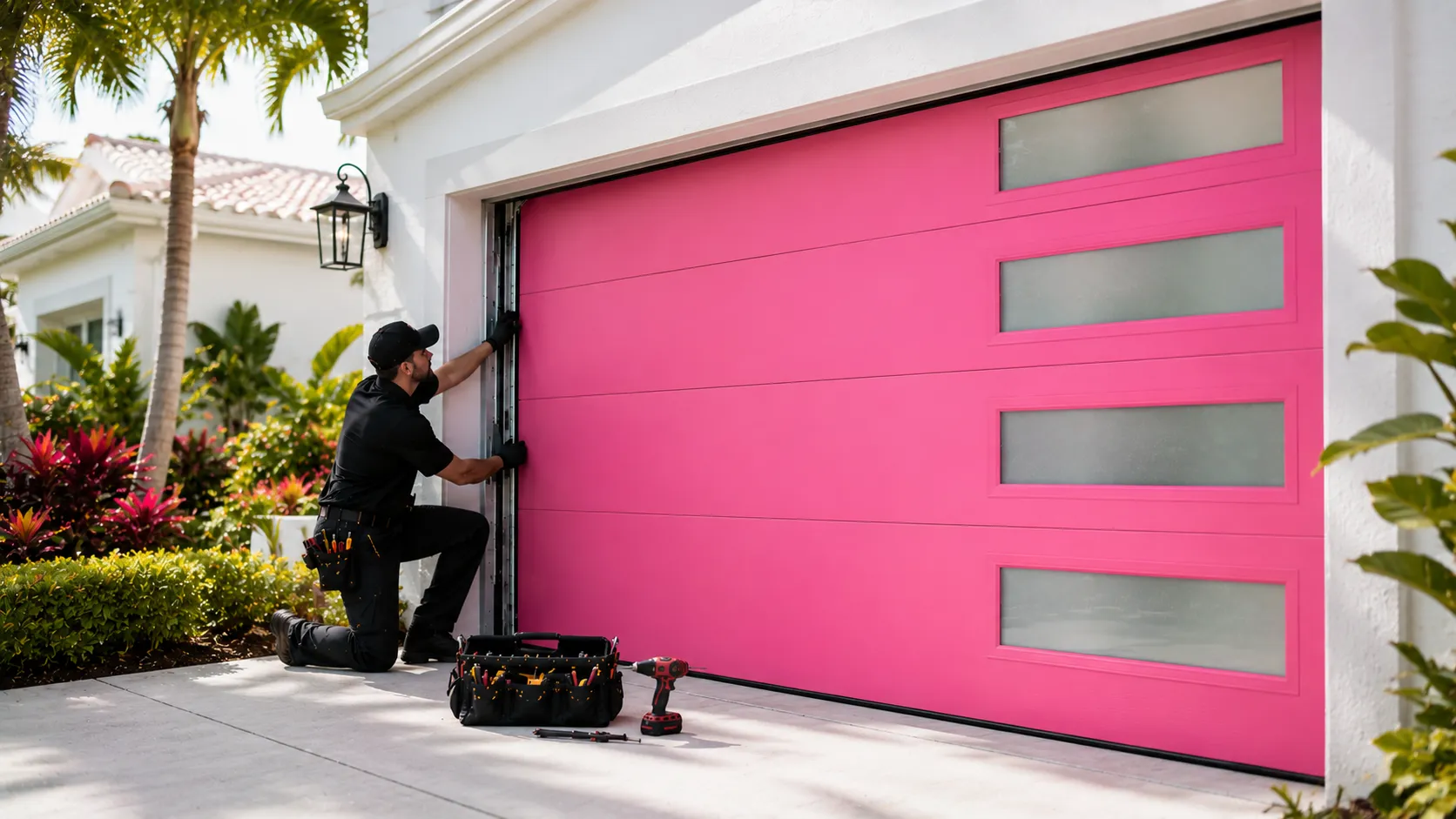
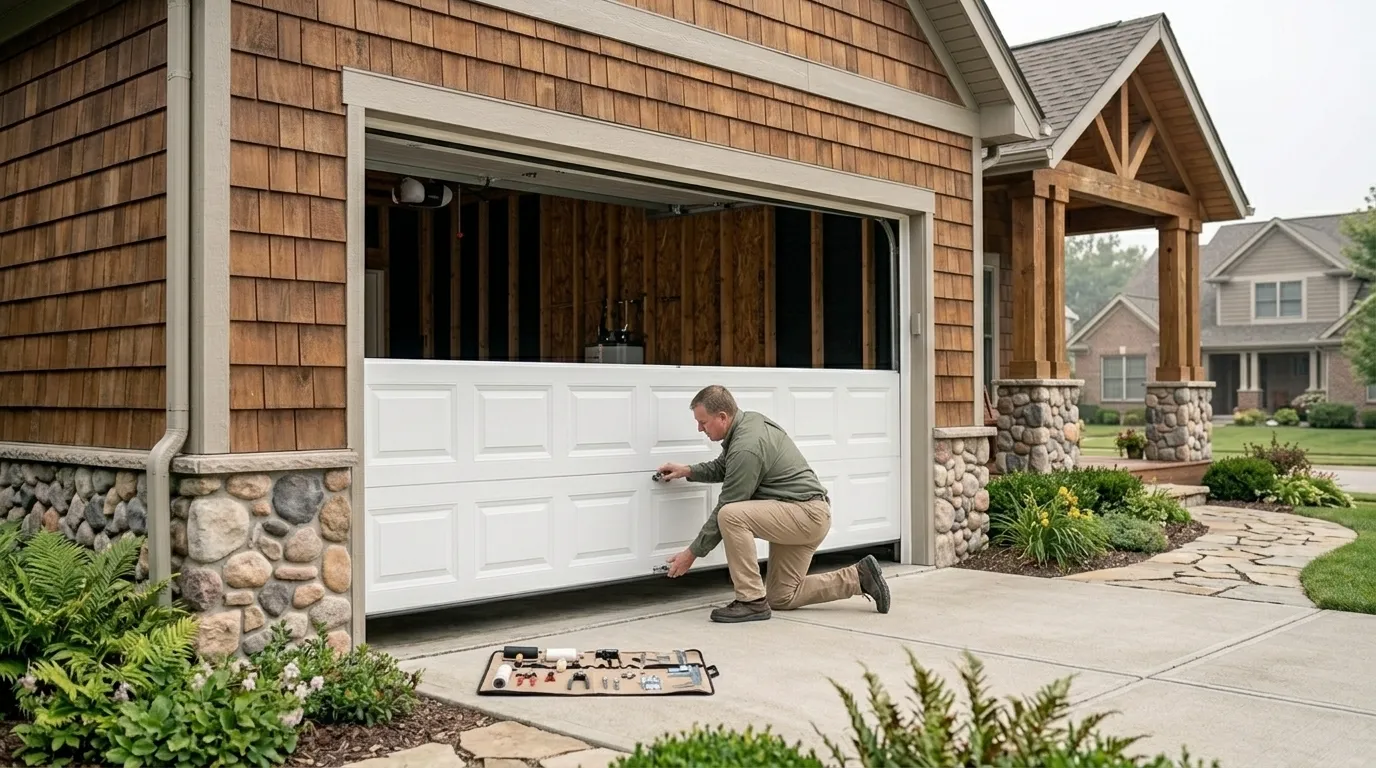
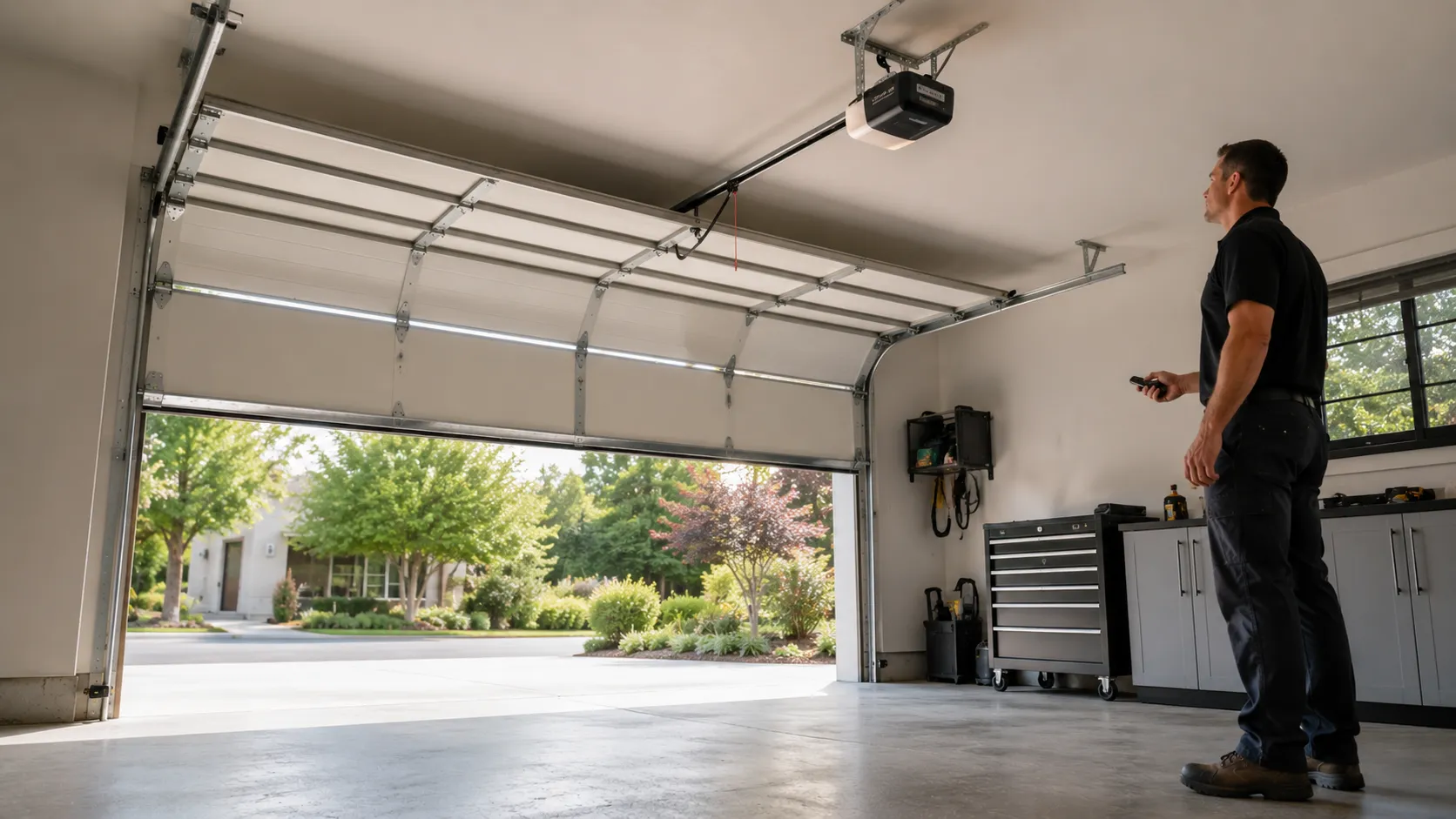
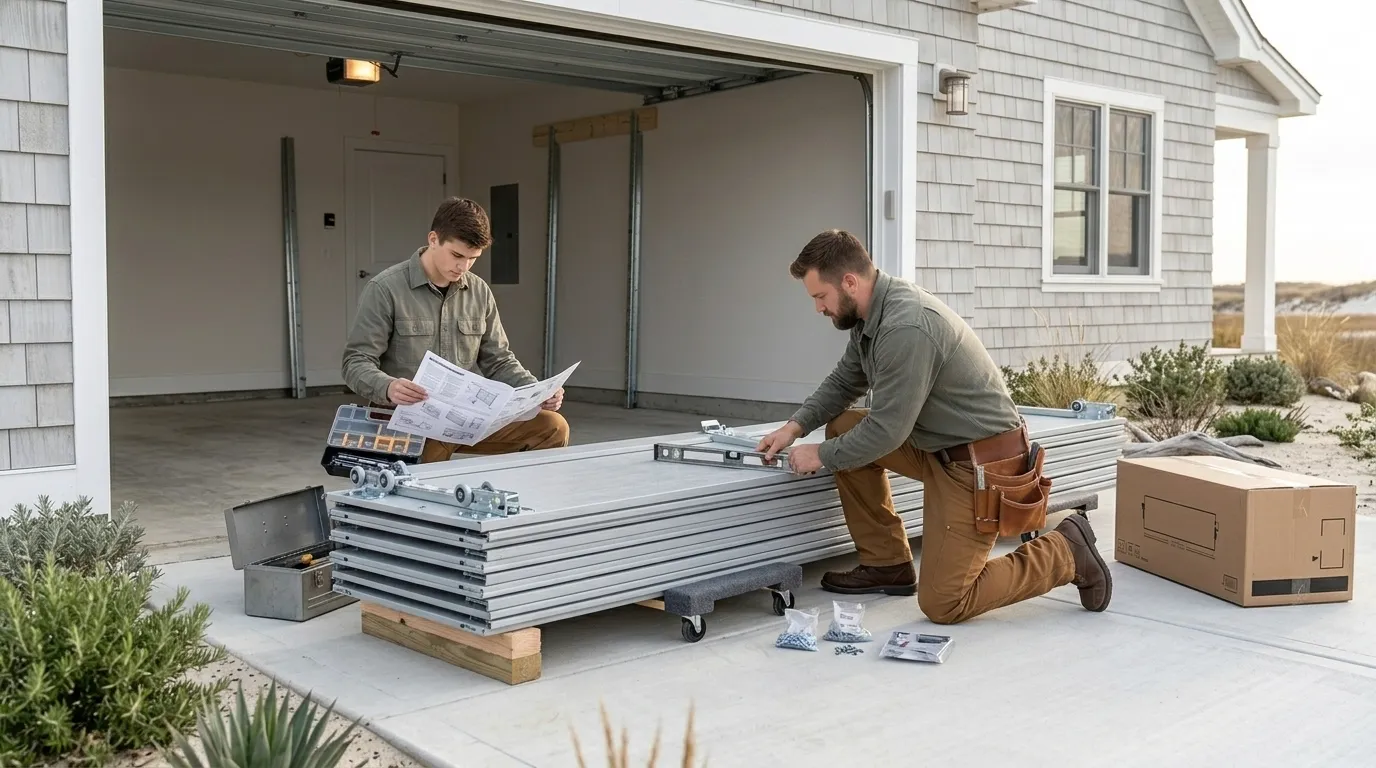
Installing a new door is a one-day job in most cases once the unit is on the truck, but on older openings like the ones common in Bald Knob, that day can stretch if the header needs shimming or the track brackets need to be reset for a properly squared frame. We won't know for certain until we've measured the opening in person - a door frame that's held a 1975-era door for this long has usually settled a little, and settling isn't always visible from the driveway. Budget for the door to be down, meaning the bay open to the weather, for the bulk of a working day. We don't leave an opening unsecured overnight; if a job runs long we sequence the work so the old door stays functional or the opening gets temporarily secured before we leave.
What Can Go Wrong
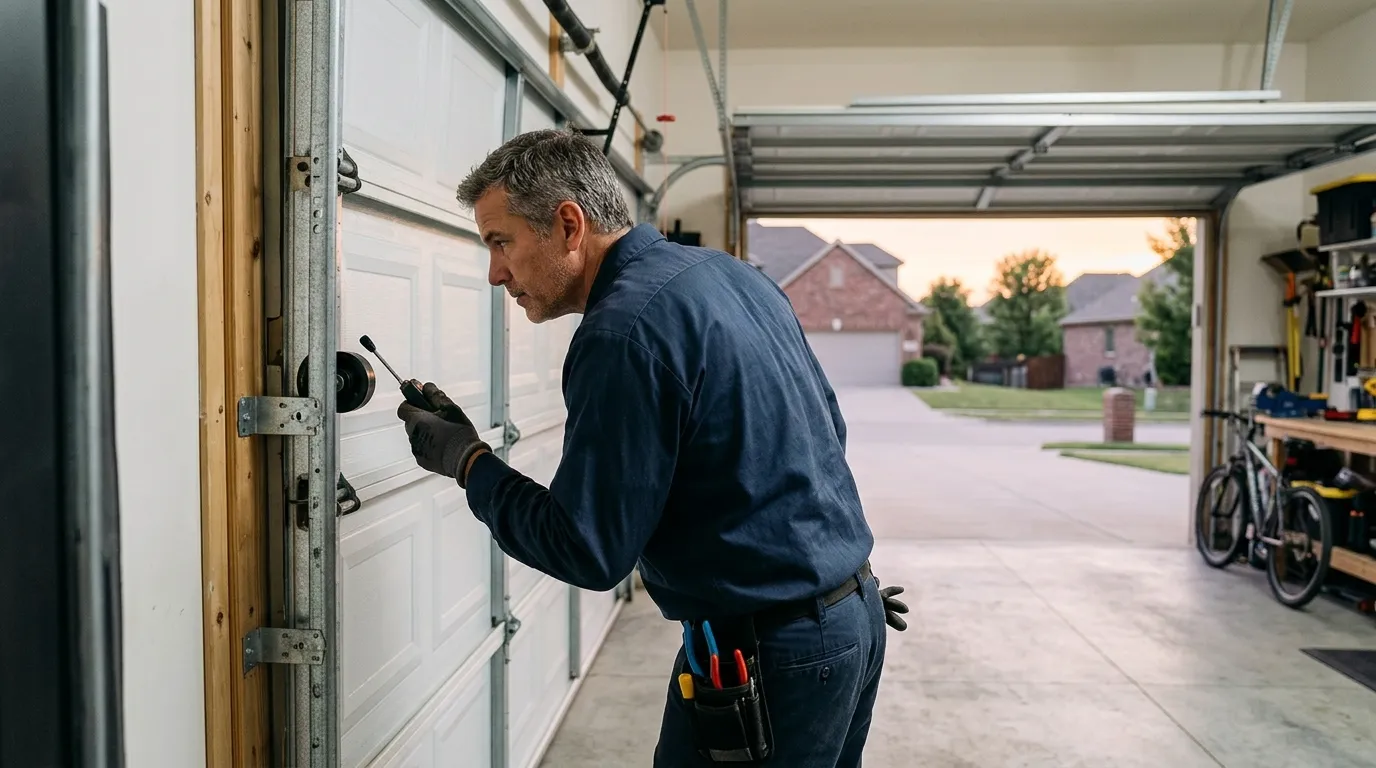
The most common surprise on a house this age is the header itself - the wood framing above the opening can be undersized or slightly out of level compared to what a new insulated door and its heavier hardware need. We sometimes find the original opening was framed a couple of inches narrower than today's standard door widths, which means trim work or a mild reframe before the new door goes in, not just a bolt-in swap. Another one: openers wired into these older openings sometimes ran on household circuits that weren't built with a garage door opener's draw in mind. We'll flag it if we see it, but electrical work outside the opener itself isn't part of a standard install - that's the honest limit here, and it's worth knowing before you commit to a install date so it doesn't become a second trip.