Why It Happens Here
Median household income in Bald Knob runs about $49,107, noticeably higher than the $43,811 median across the wider Searcy service area. That number matters for a roller job: at this income level, a $150-$300 roller replacement is an easy call, and it rarely makes sense to talk a homeowner here into a full door replacement over worn rollers alone. Save that conversation for a cracked panel or a dead opener.
The housing stock is part of the story too. Bald Knob's median year built sits around 1975, which puts it at the older edge of the 1975-1997 range we see across the broader service area. Doors from that era were hung with steel rollers on steel tracks, and thirty-plus years of daily travel wears the roller stem and the track lip together. By the time an owner calls, the roller has usually worn oval instead of round.
Add the cold-moderate climate band this part of Arkansas sits in, and you get a second wear driver: temperature swings that shrink and swell the track brackets each winter, loosening the fit a worn roller needs to ride straight.
How It Shows Up
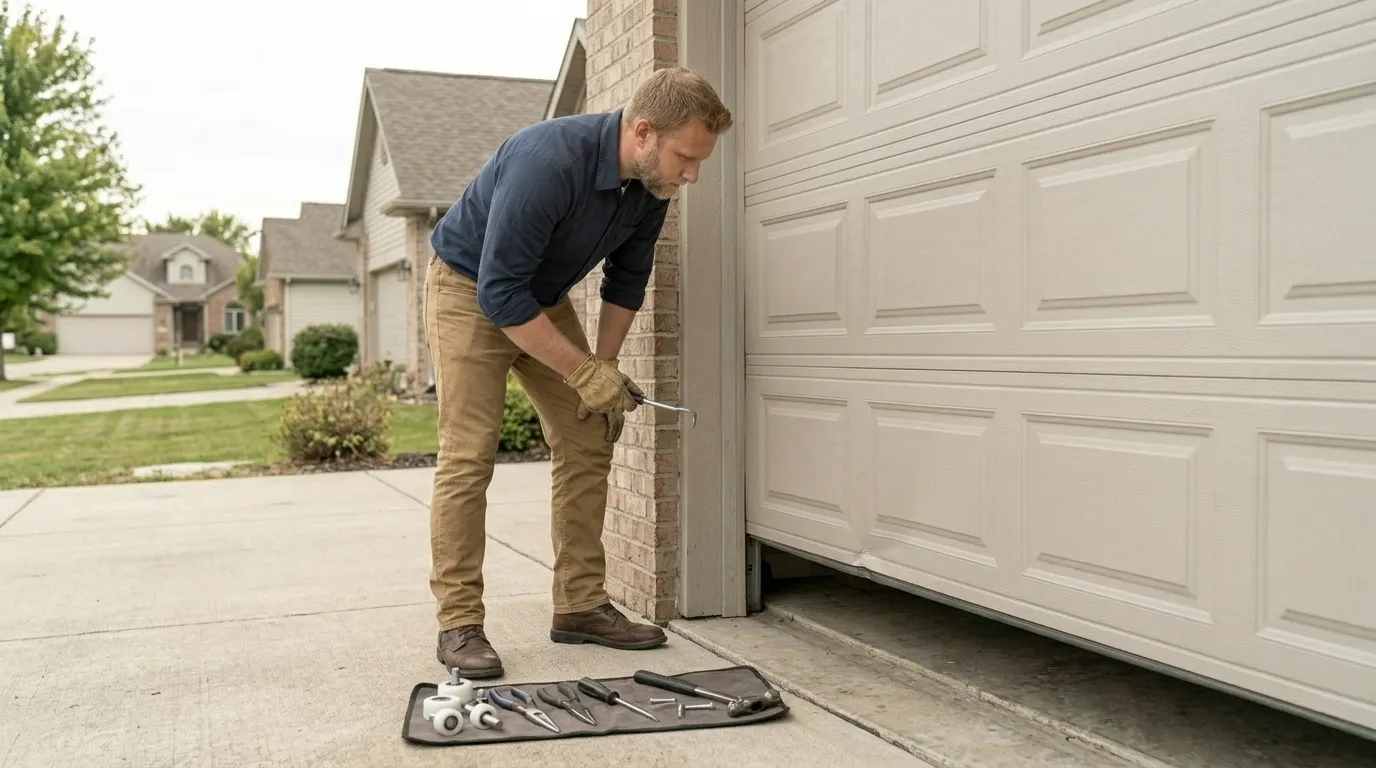
The first sign is almost always sound, not sight. A grinding or clicking that tracks with the door's travel, worse on the last foot before it seats, usually means a roller stem has worn down enough that it's riding on bare metal instead of its bearing surface. On steel-roller doors from the 1970s stock common here, that grinding often shows up on one side first, since the sunny side of a garage tends to wear a season or two ahead of the shaded side.
A second sign is a door that shudders or hesitates partway up, especially right where the track curves from vertical to horizontal. Worn rollers bind on that curve before they bind anywhere else.
If you see a roller wobble side to side while the door moves, don't wait on that one. A wobbling roller is close to jumping the track, and a door that jumps track on a two-car opening can bend the track itself, which turns a roller job into a track job.
How Long You Are Without the Door
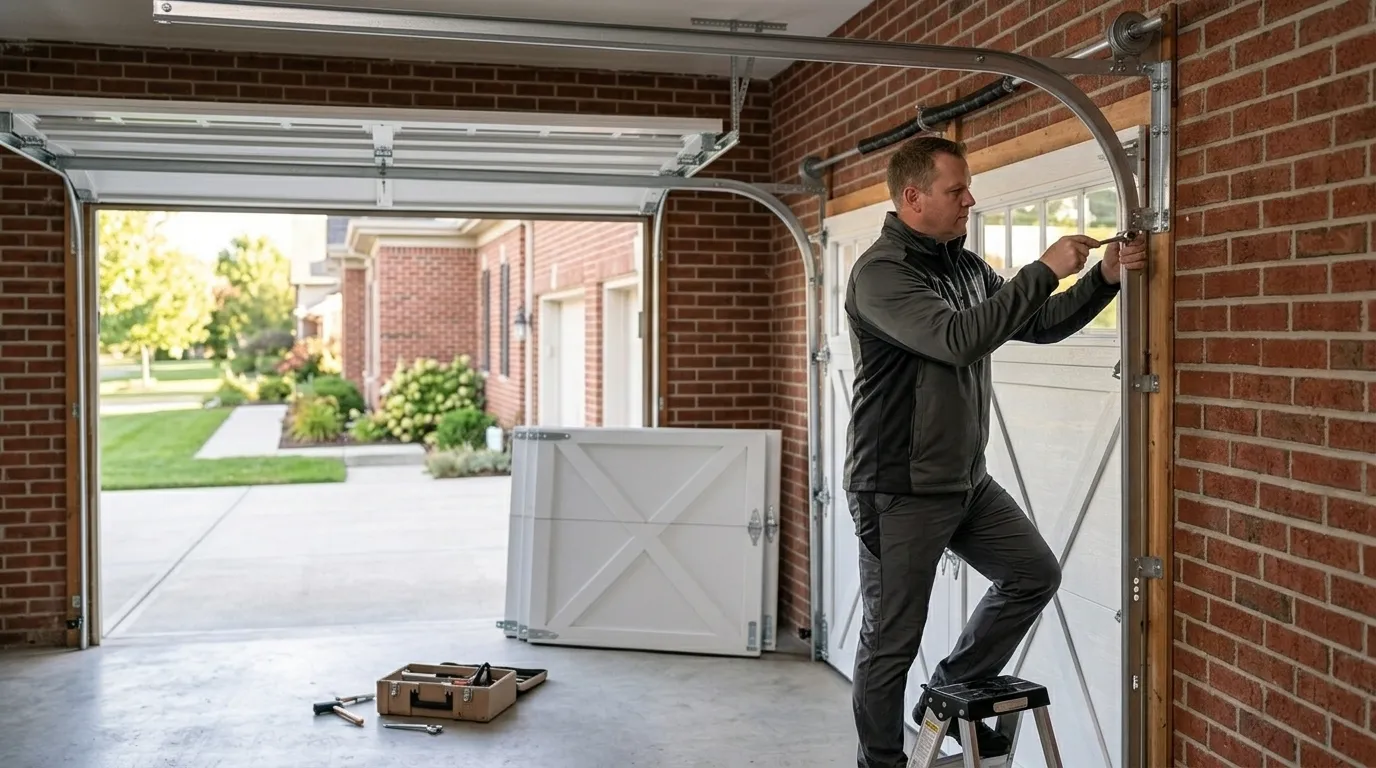
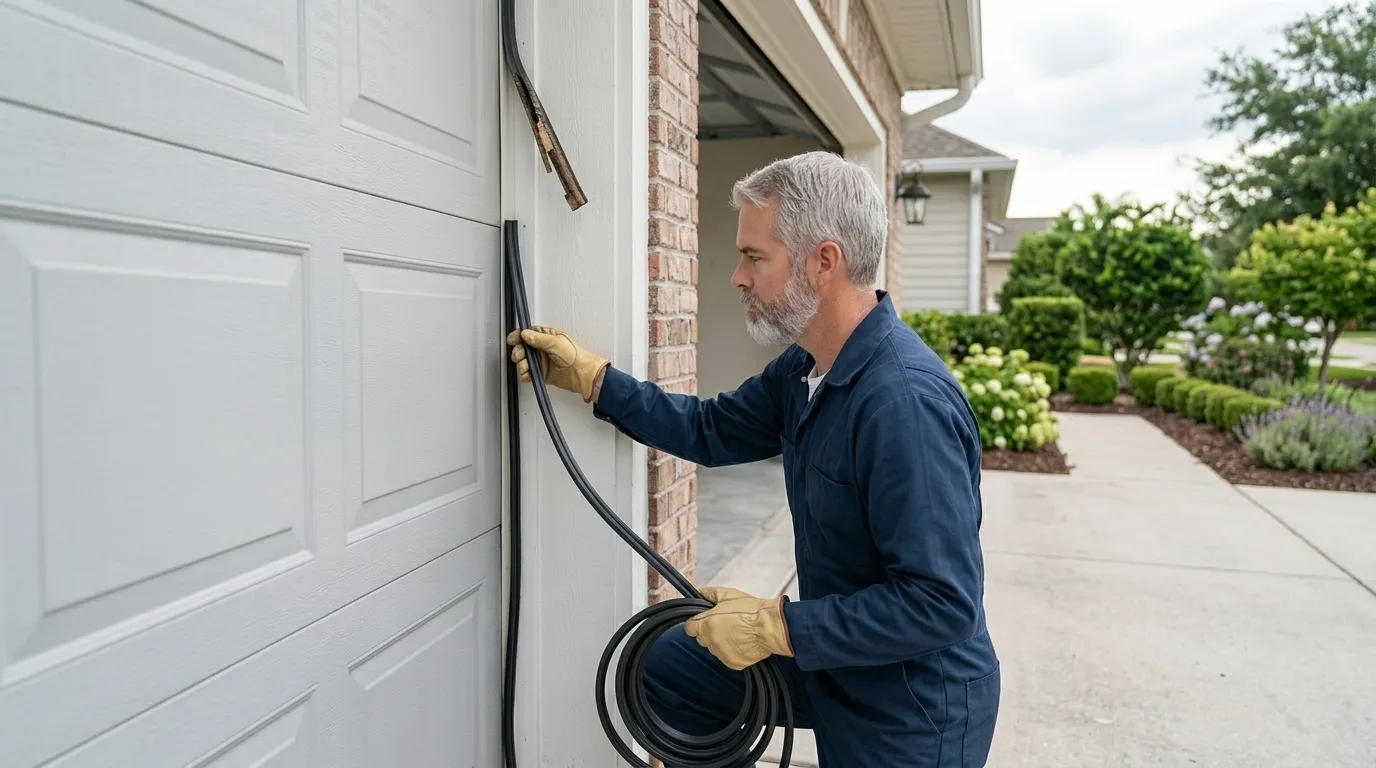
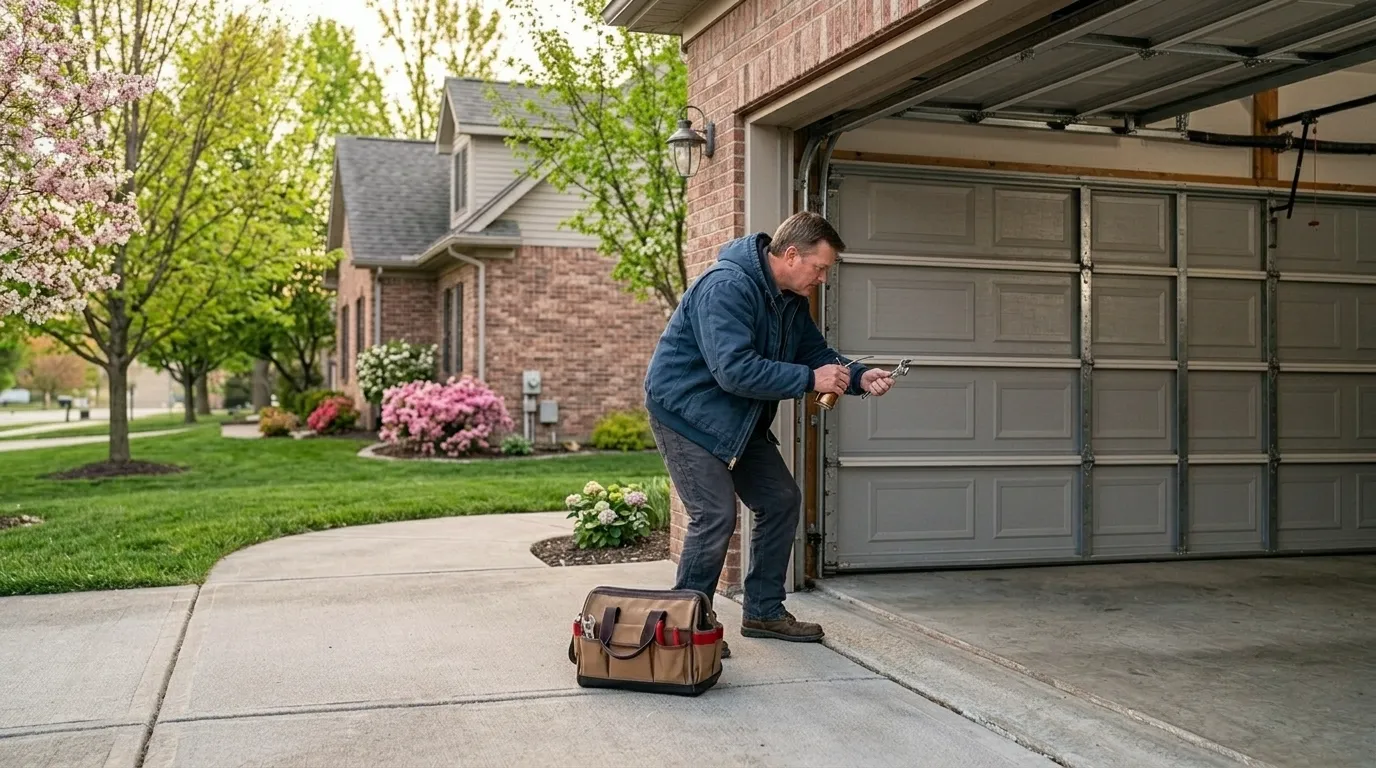
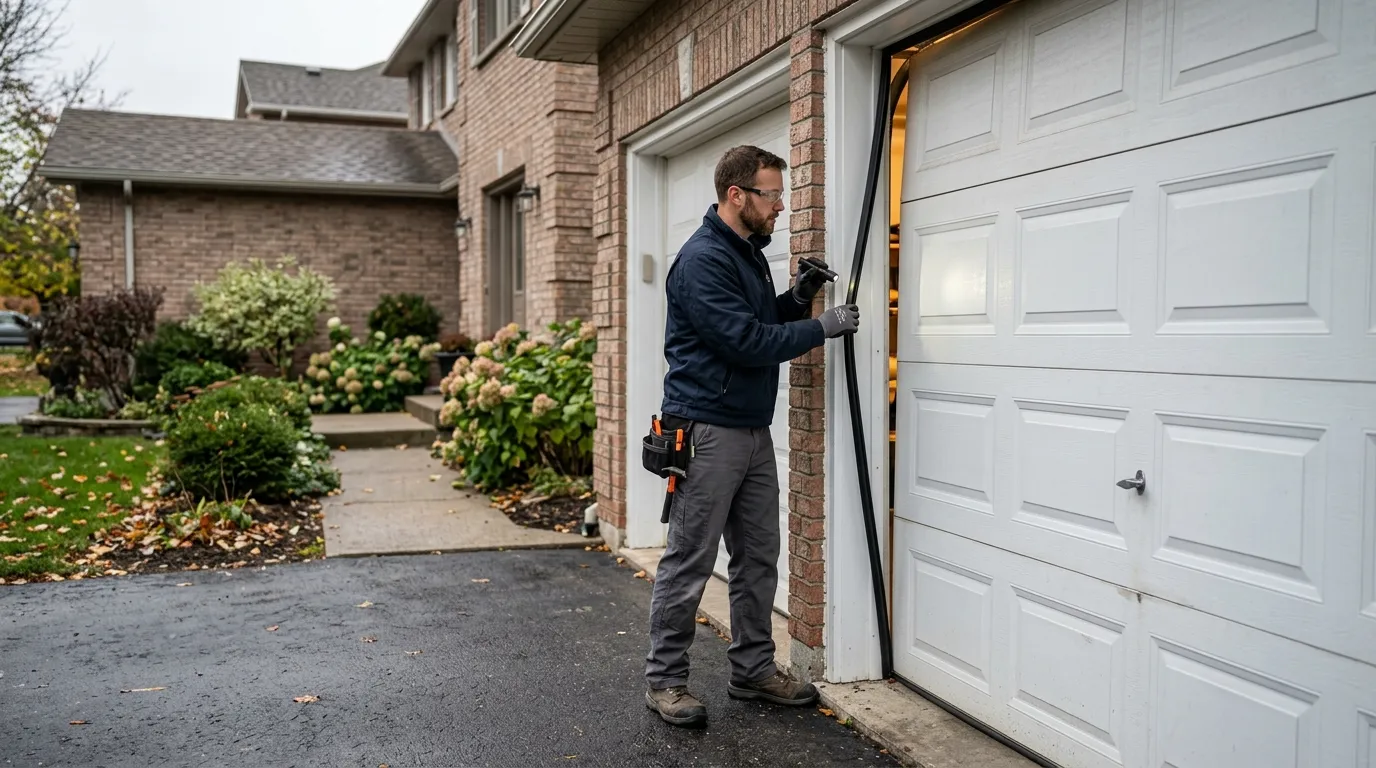
Because every visit starts with a 10-mile drive from Searcy, plan on the door being usable but rough right up until the truck arrives rather than pulling it out of service and waiting. Most roller jobs don't require taking the door down; we can usually swap rollers one at a time while the door stays on its track, so you're not locked out of the garage during the repair.
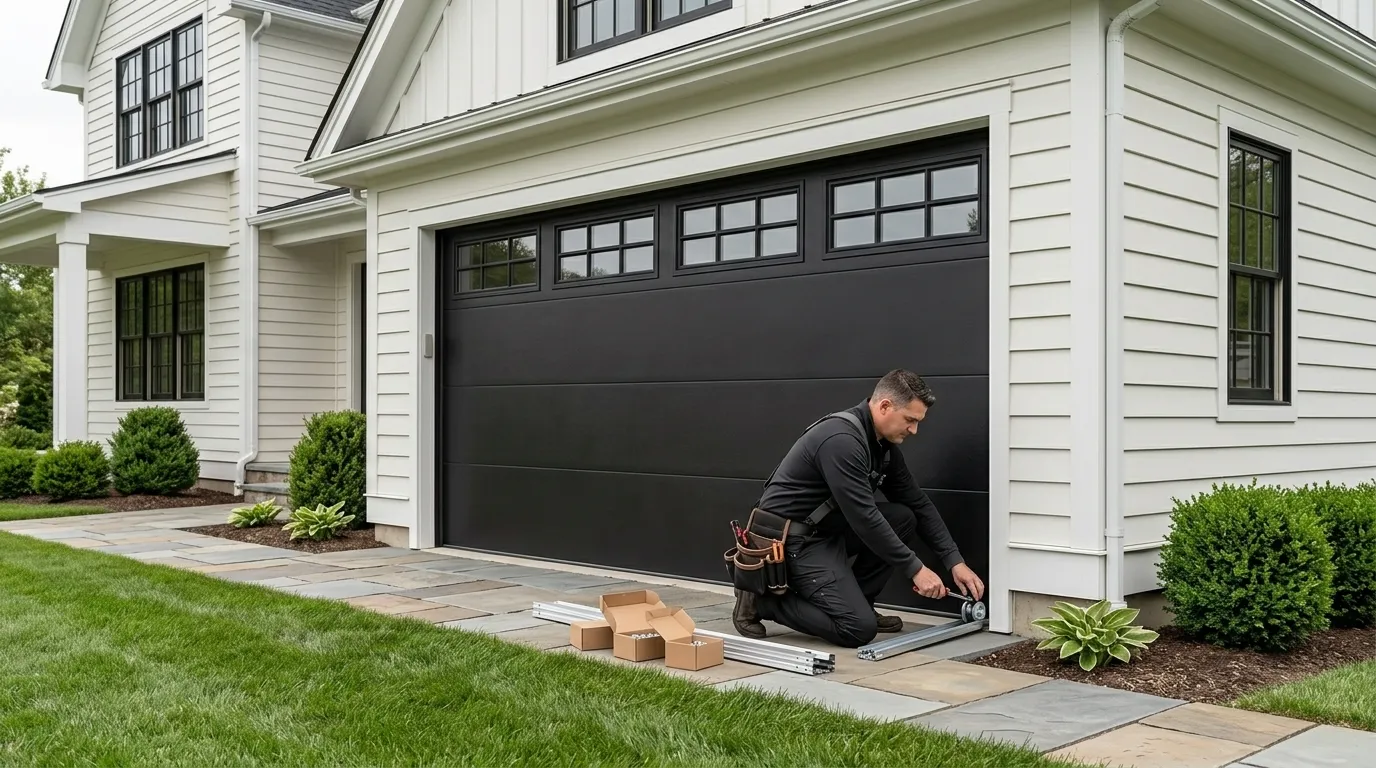
The honest limit here: if the wobble has already let a roller jump the track and bend it, that's not a same-visit fix. Bent track has to be replaced, not straightened, and if we don't have the right track section on the truck, that means a return trip. We'd rather tell you that before we're out there than surprise you with it.
What Can Go Wrong
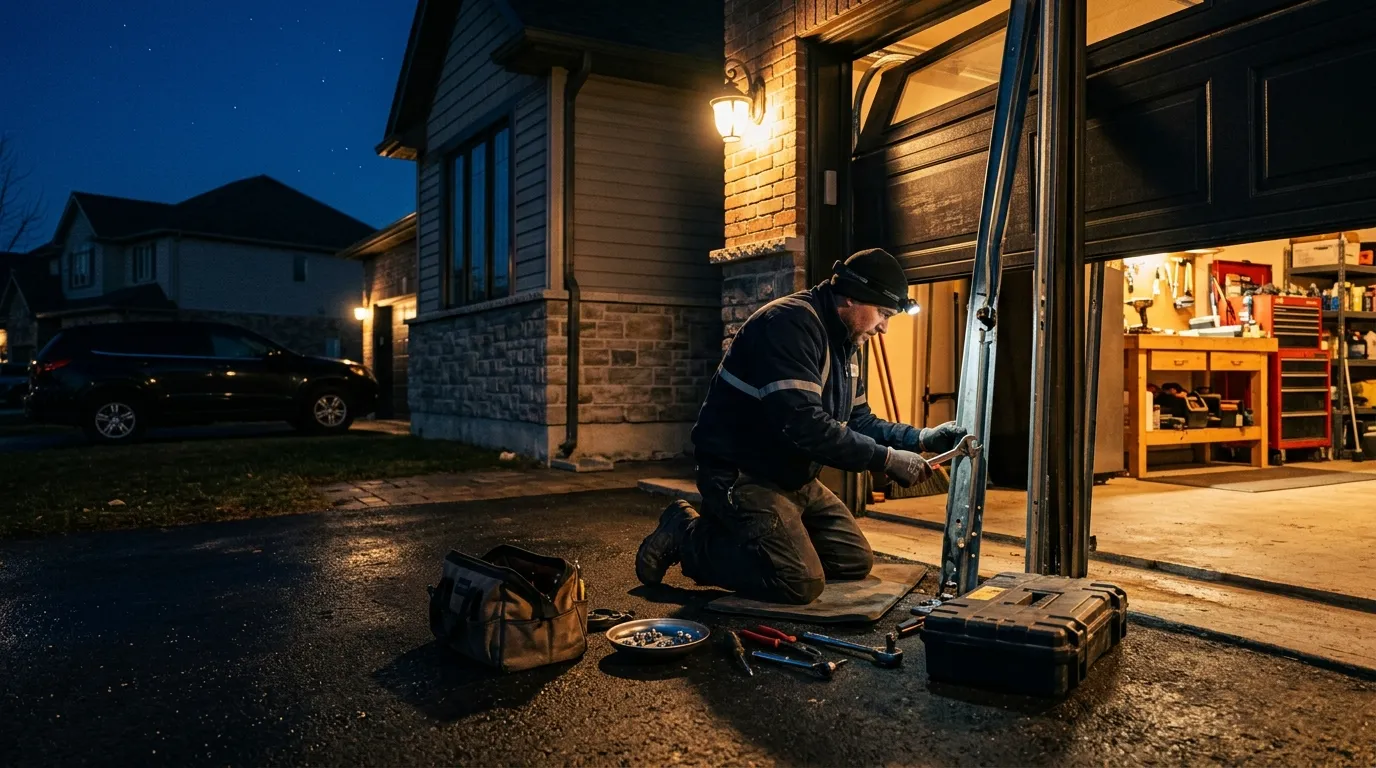
The main risk with roller wear on the steel-track hardware common in Bald Knob's 1975-era houses is a bent track. A worn roller wobbling in the track over time pushes the track lip out of alignment, and once that lip is bent, a new roller still won't ride straight in it.
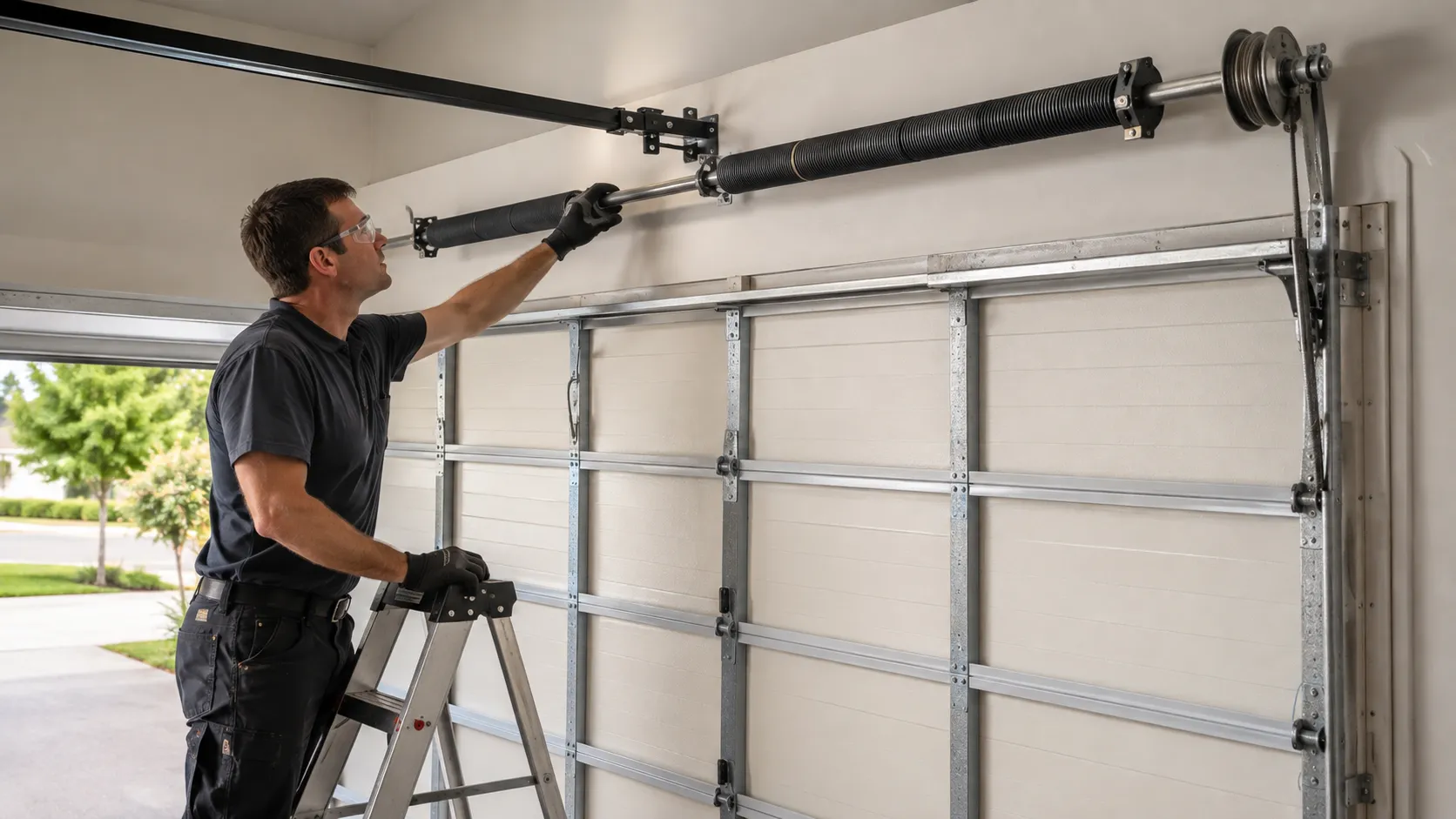
A second risk is cable derailment. On a lot of these older two-car doors, the bottom roller brackets also anchor the lift cable. If a roller seizes hard enough that the bracket takes the strain instead of the roller bearing, the cable can jump its drum, and that's a spring-tension problem, not just a roller problem.
We won't push a full track-and-roller job if a roller swap alone will get the door running quiet and straight again. But we'll say so plainly if the track's already bent, because a new roller in a bent track just wears out again in a few months.