What It Costs
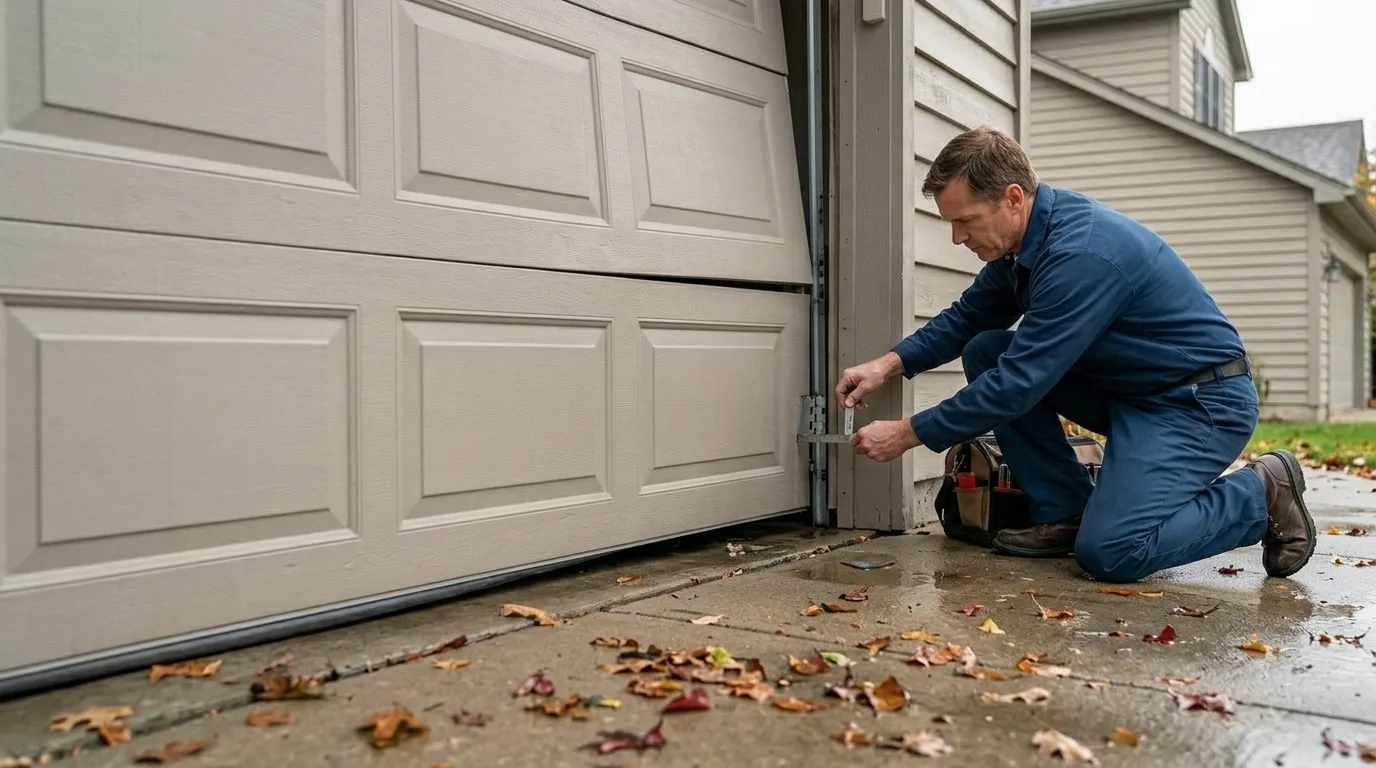
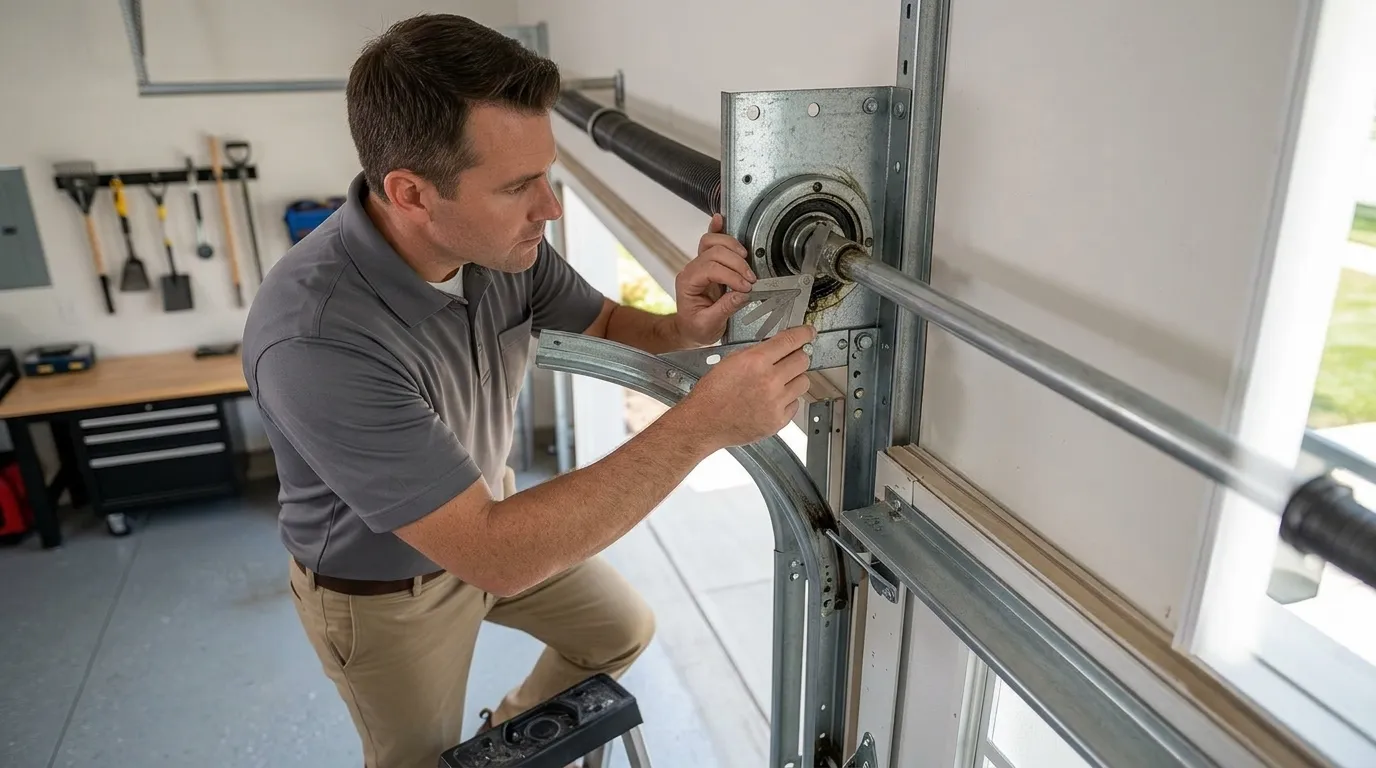
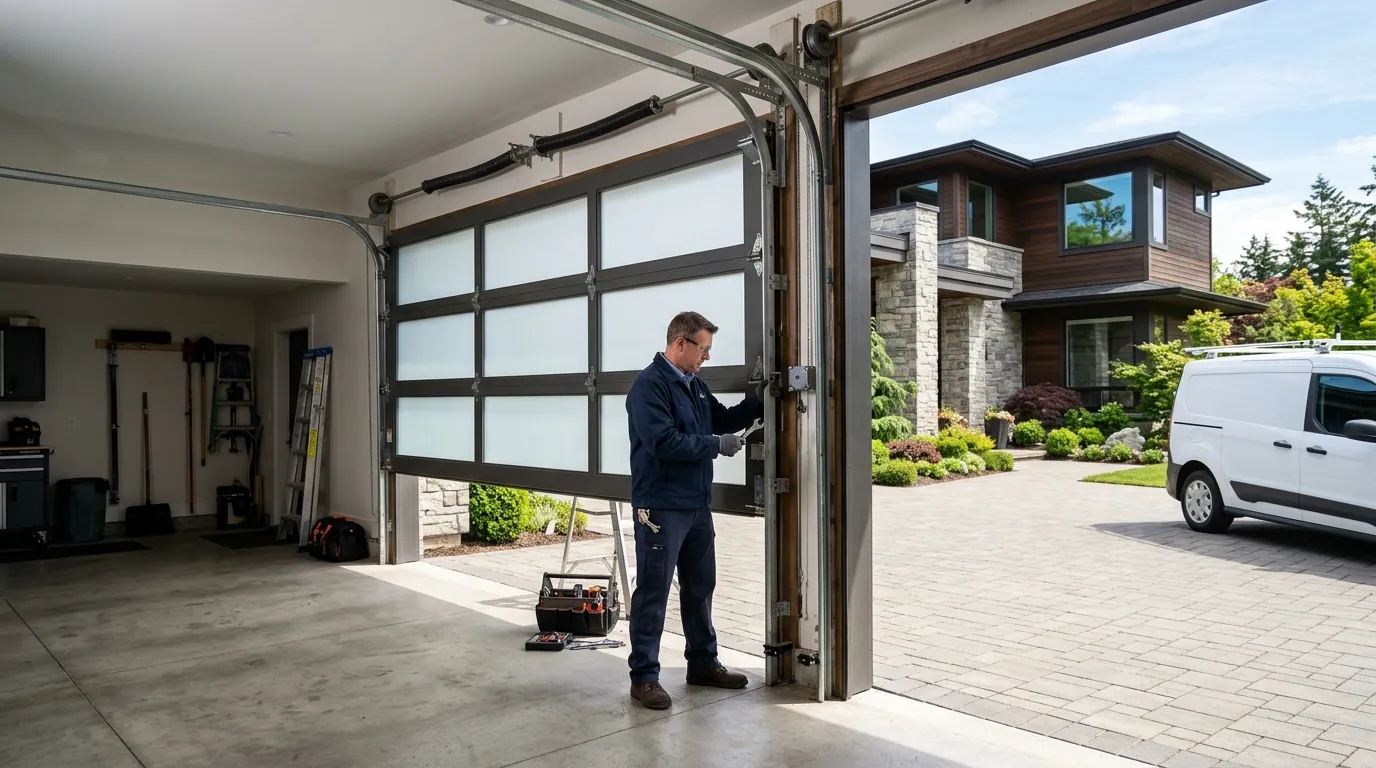
We're not going to hang a number on this one without seeing the opener, because cost here depends on what's actually failing - a dead capacitor, a stripped gear, or the whole unit past saving. What we can tell you: across the service area's 2,979 owner-occupied houses, a lot of garages still run the same chain-drive opener that went in when the house was built, and most of that stock dates to 1975 through 1997. An opener that age wasn't built with battery backup, so a power cut doesn't just inconvenience you - it locks the door down until someone pulls the manual release cord.
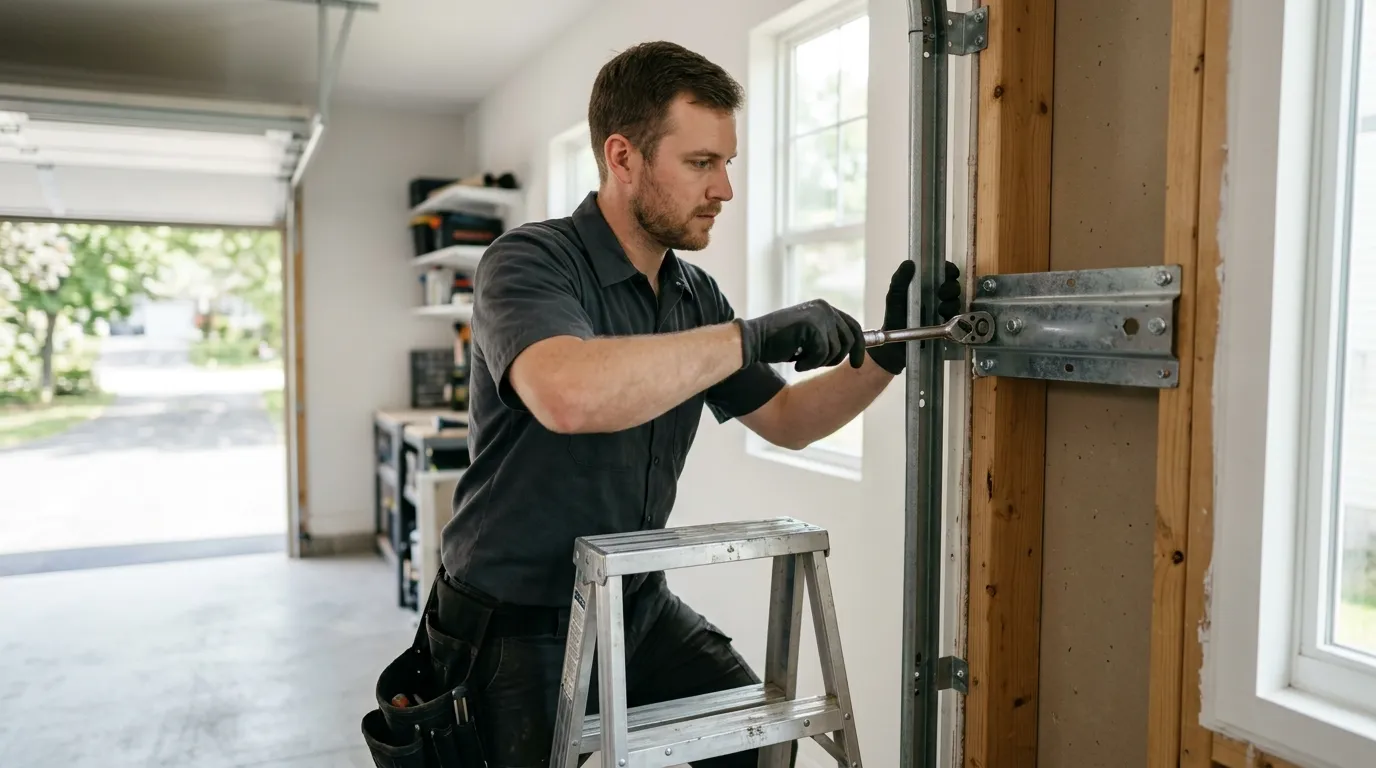
At a median household income of $43,811 in this area, most owners we talk to want a straight answer on what a repair costs before a truck shows up, not after. That's fair, and it's why we look at the unit over the phone first when we can - model, age, symptom - rather than quoting blind. If the opener is original to a house built in the early 1980s, replacement usually makes more sense than parts, since finding matching gears for a 40-year-old drive train is its own project.
When Waiting Is Fine
Not every opener problem is urgent. If your door still opens and closes fine with the wall button but the remote's gotten flaky, that's a battery or a frequency issue, not a failure - it can wait for a scheduled visit. Same with a chain that's started to sag a little; tightening it is routine maintenance, not an emergency.
Where it stops being fine to wait: if the opener strains, reverses partway, or grinds before finishing a cycle. On a unit that's already 25 to 45 years old - which describes a good share of the openers in houses built here between 1975 and 1997 - that kind of strain usually means the motor or drive gear is close to done, and pushing it further risks the door itself, not just the opener. If you're heading into winter and your opener has no battery backup, that's also not a wait-and-see item, since a power cut during a cold snap means you're stuck outside the garage until power's back.
The Problem
The core issue in a lot of homes here isn't the opener failing outright - it's the opener quietly aging past the point where it can handle a power interruption gracefully. A unit installed when the house went up sometime between 1975 and 1997 was built for a different expectation: steady power, occasional use, no smart features. It did its job for decades. It just wasn't designed to fail safely when the grid hiccups.
The honest limitation here is that we can't tell you over the phone whether your specific opener has a battery backup circuit or not - model numbers on units that old vary a lot, and some manufacturers changed specs mid-run without changing the case. We have to look at it in person. What we can say with confidence: if your opener predates the last decade or so, treat a power cut as a real possibility each winter, not a rare event, and plan for the manual release cord being your backup plan until the unit itself gets addressed.