What We Will Not Take On
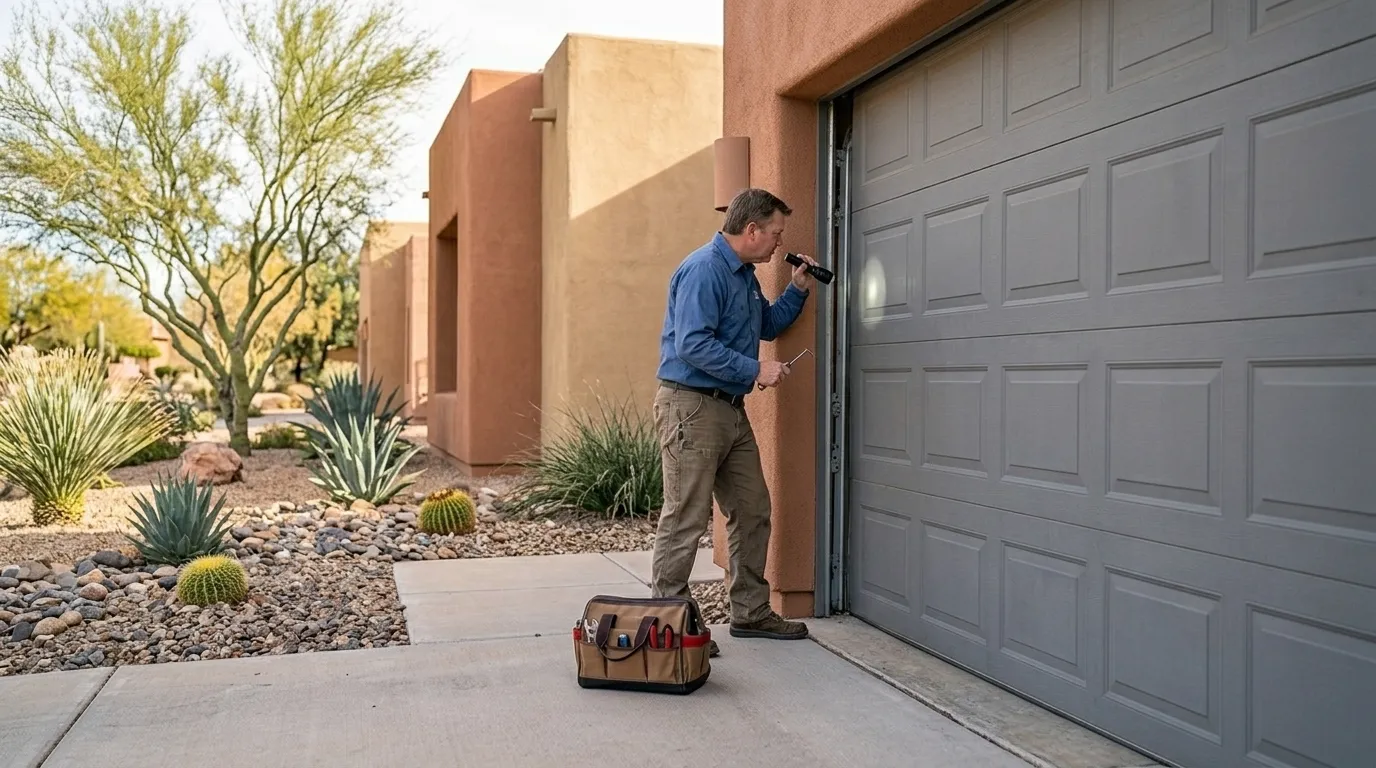
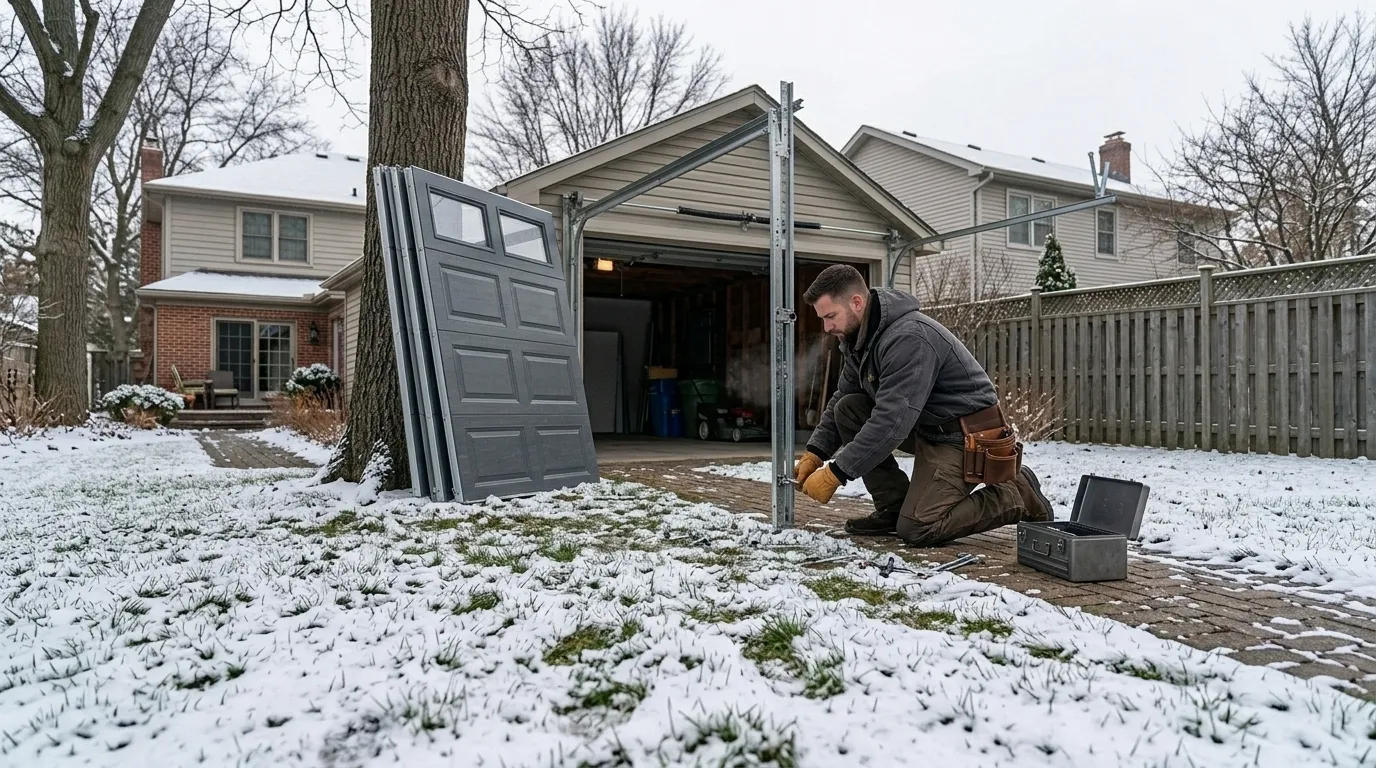
We work out of Searcy, and Bald Knob is a 10-mile drive for us, not a town we're based in. That means no same-day depot pickup for parts and no walk-in counter here - if a spring or opener part isn't already on the truck, it comes from Searcy first. We also won't quote a same-day emergency window over the phone before we've seen the door; a door that's been forced off its track can hide damage that changes the job once we're standing in front of it. If a door is old enough that the drum, the track, and the opener all need replacing at once, we'll say so plainly instead of patching around it piece by piece, because a repair that only buys you six months isn't worth your money. We'd rather tell you a job is bigger than expected on the driveway than pad an estimate to cover surprises we haven't found yet.
Old Streets and New Ones
Across the wider service area we work, most houses went up in the 1980s and 90s - a stretch of newer subdivisions built after 1982 on average. Bald Knob runs older than that. The median home here dates to 1975, which puts a good share of the town's houses up before the building wave that shaped much of the rest of the area. That seven-year gap matters more than it sounds: garage doors, openers, and track hardware all changed in the years between, and a 1975 build is working with an earlier generation of everything behind the door. Bald Knob sits about 10 miles from Searcy, with Kensett 4 miles off and Judsonia 6 miles the other direction - close enough that the housing patterns overlap, but Bald Knob's own build years skew earlier than either of those two. We don't have landmark-level detail on specific blocks or subdivisions here, so we're not going to invent street names or claim a history we can't back up. What we can say is grounded in the build-year numbers, and those numbers point to an older door behind an older house.
What the Housing Means for Your Door
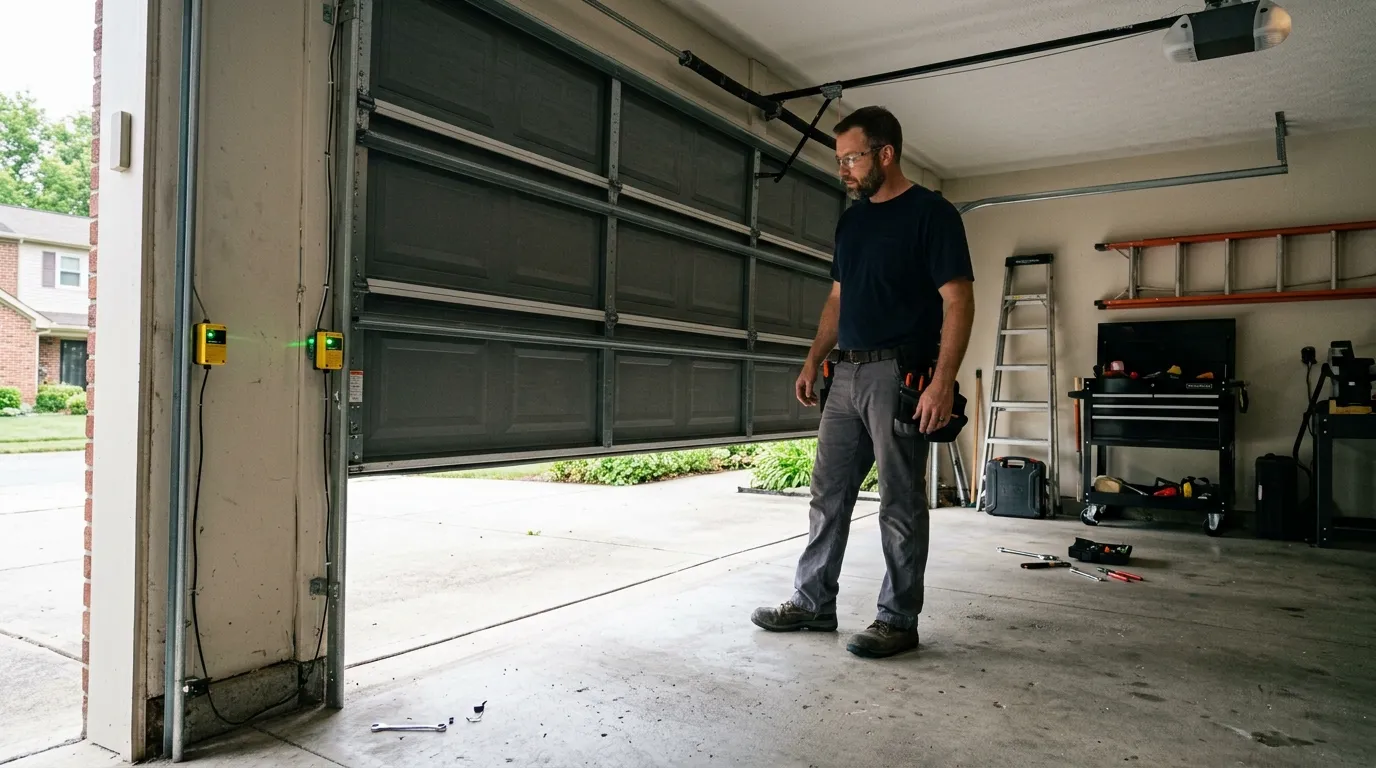
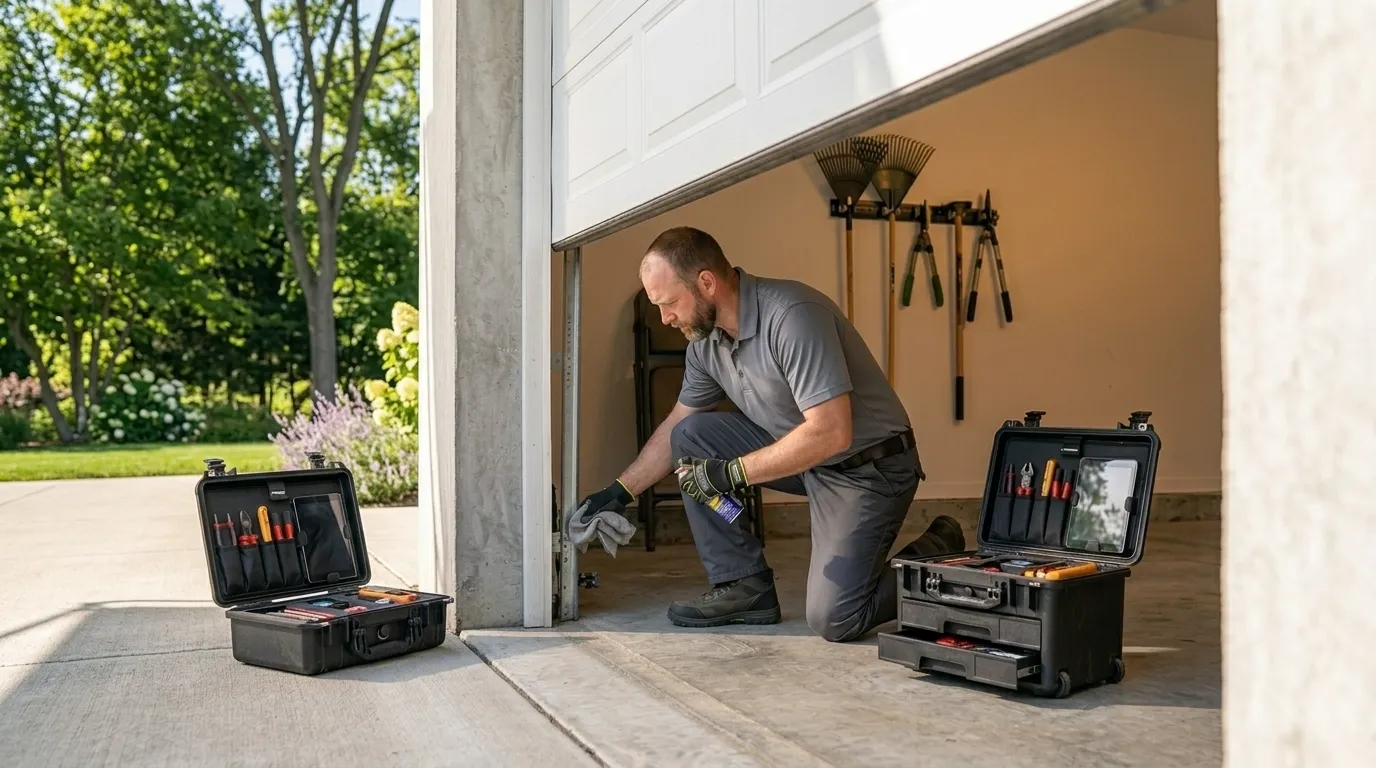
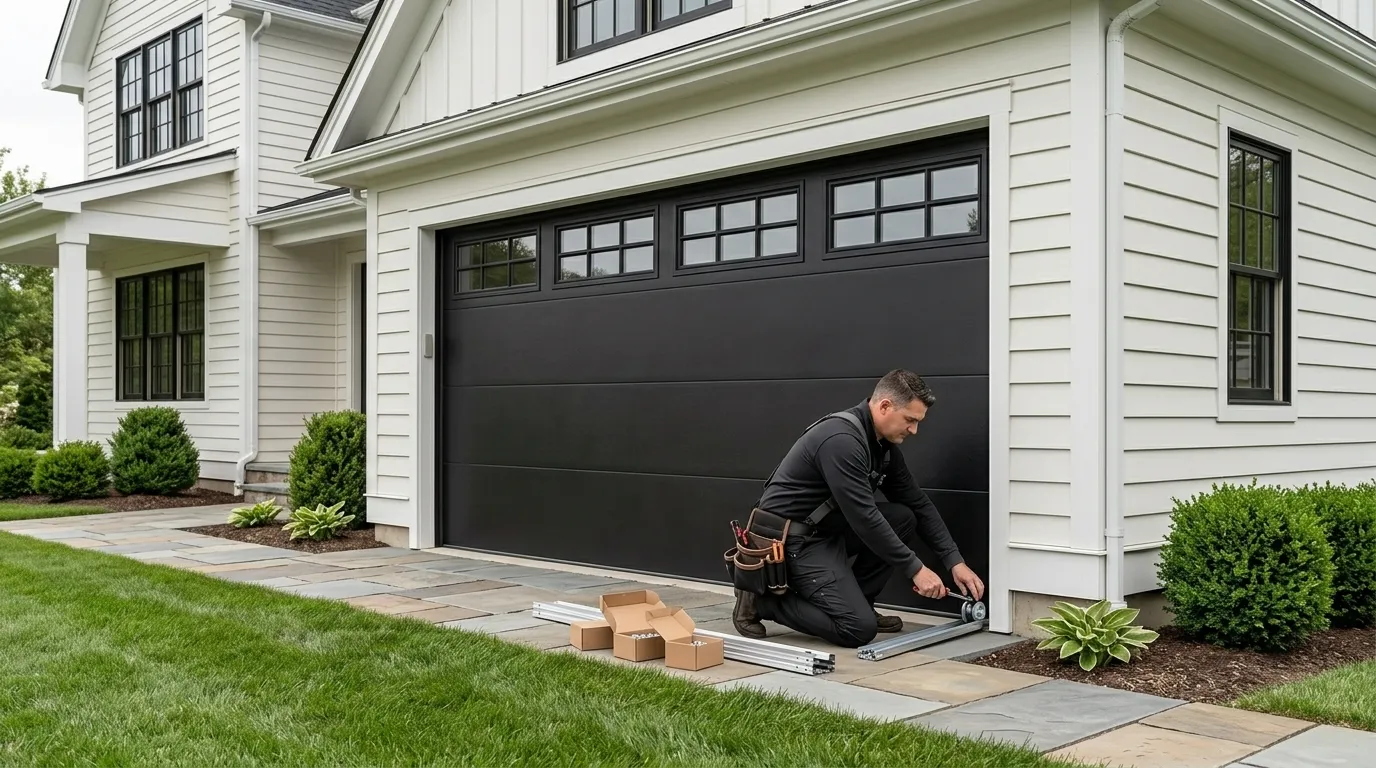
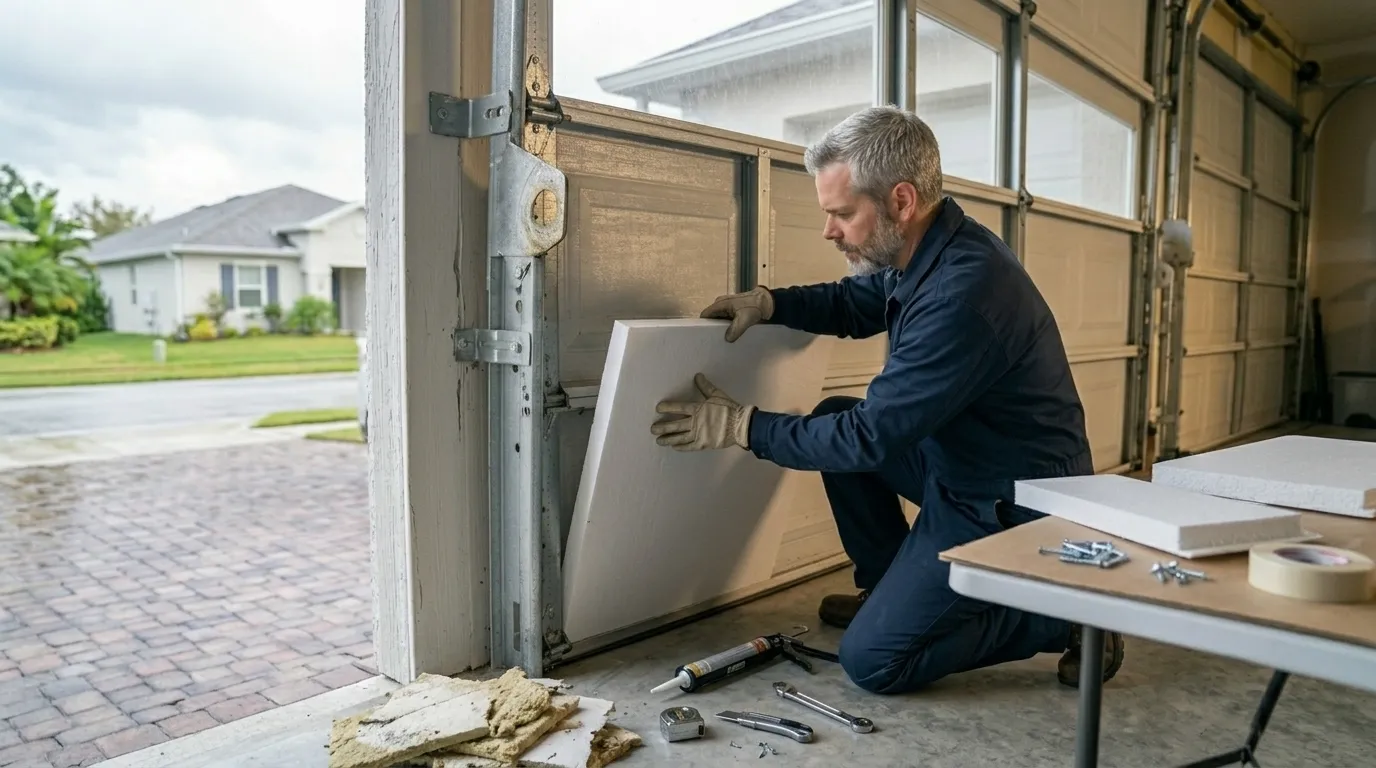
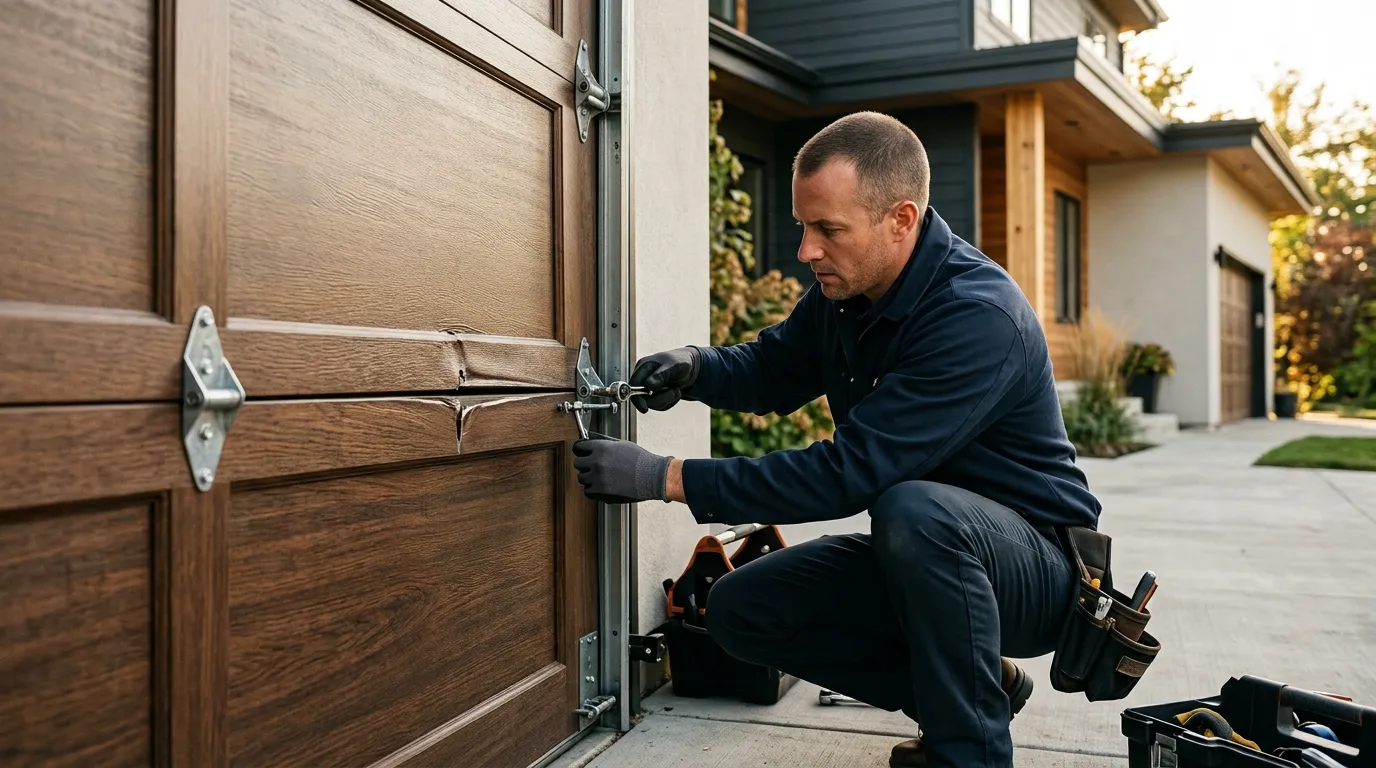
A door installed around 1975 is not the same animal as one installed in 1990. Houses from that era in Bald Knob were more likely built with extension springs mounted along the horizontal track rather than the torsion springs on a header bar that became standard later - and extension springs fail differently, with less warning and a sharper snap. Doors from this period are also more likely to be single-layer steel with no foam core, which in a cold-moderate climate means more condensation on the inside face and more strain on the opener trying to lift a heavier, uninsulated panel. Openers from this age, if original, predate rolling-code remotes and often lack any auto-reverse safety sensor at all - a real safety gap, not just an inconvenience. If you're in one of these older Bald Knob homes and the door still runs on its original hardware, that's usually not a sign it's fine; it's a sign it's overdue. We'll tell you straight whether a repair makes sense or whether the smarter move is replacing the whole assembly at once.