What We Will Not Take On
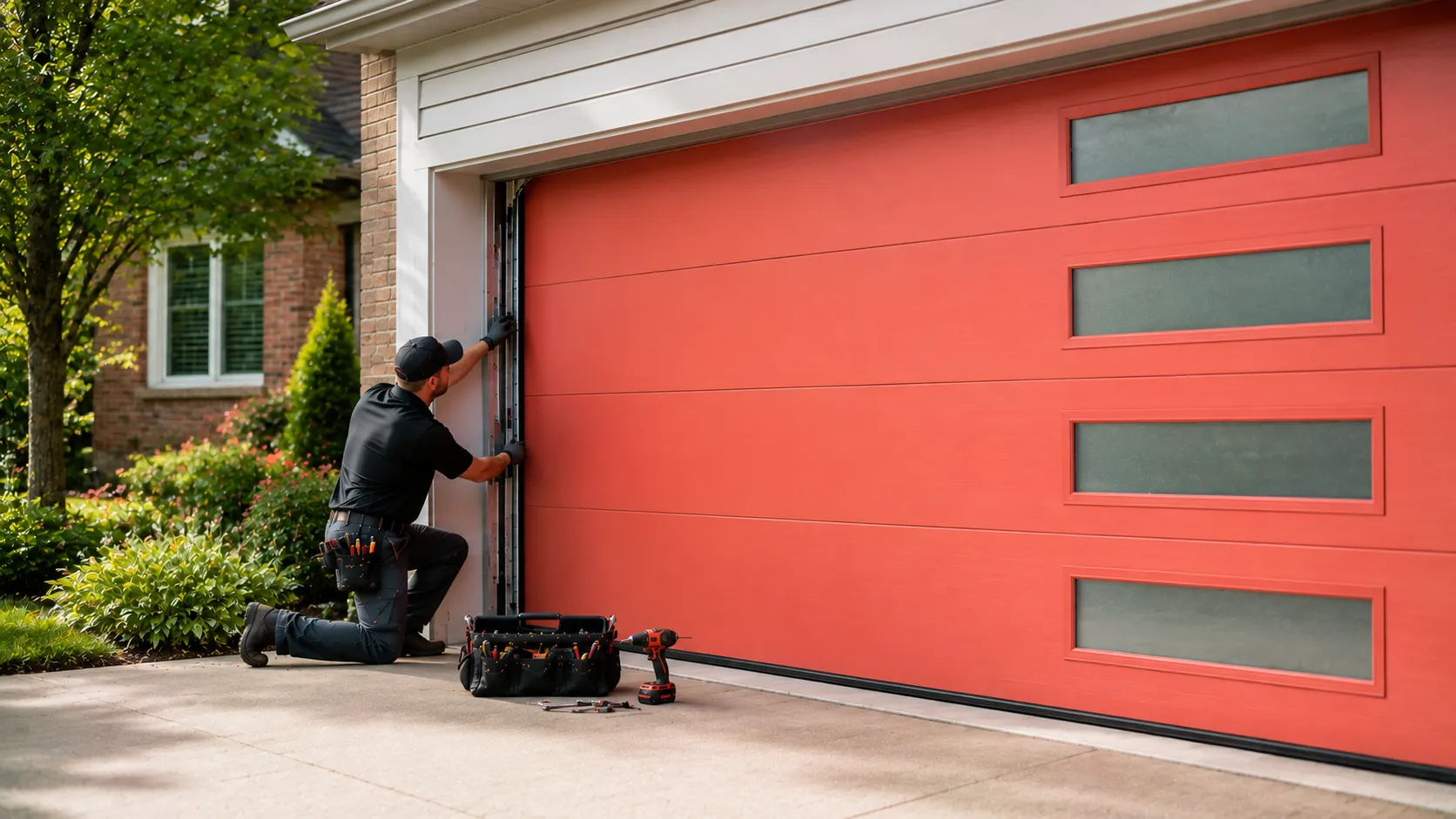
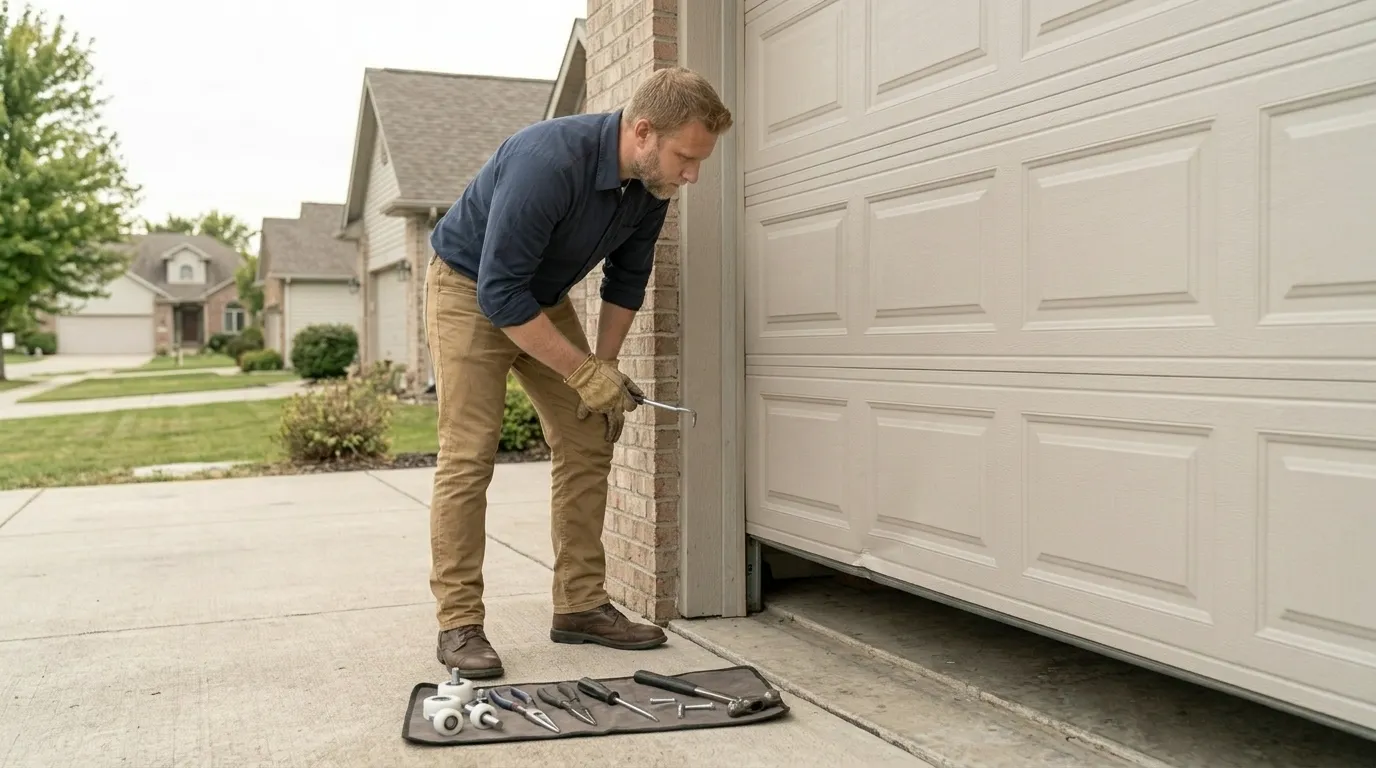
We're upfront about this: McRae doesn't have its own depot. Our shop is in Searcy, about 10 miles away, and every job here means a truck making that drive. That's fine for a scheduled repair or a full door install, but it means we're not the right call for a same-hour lockout where you need someone standing at your house in twenty minutes. If your opener dies at 6am before work, we'll get there, but plan on later that day rather than that instant.
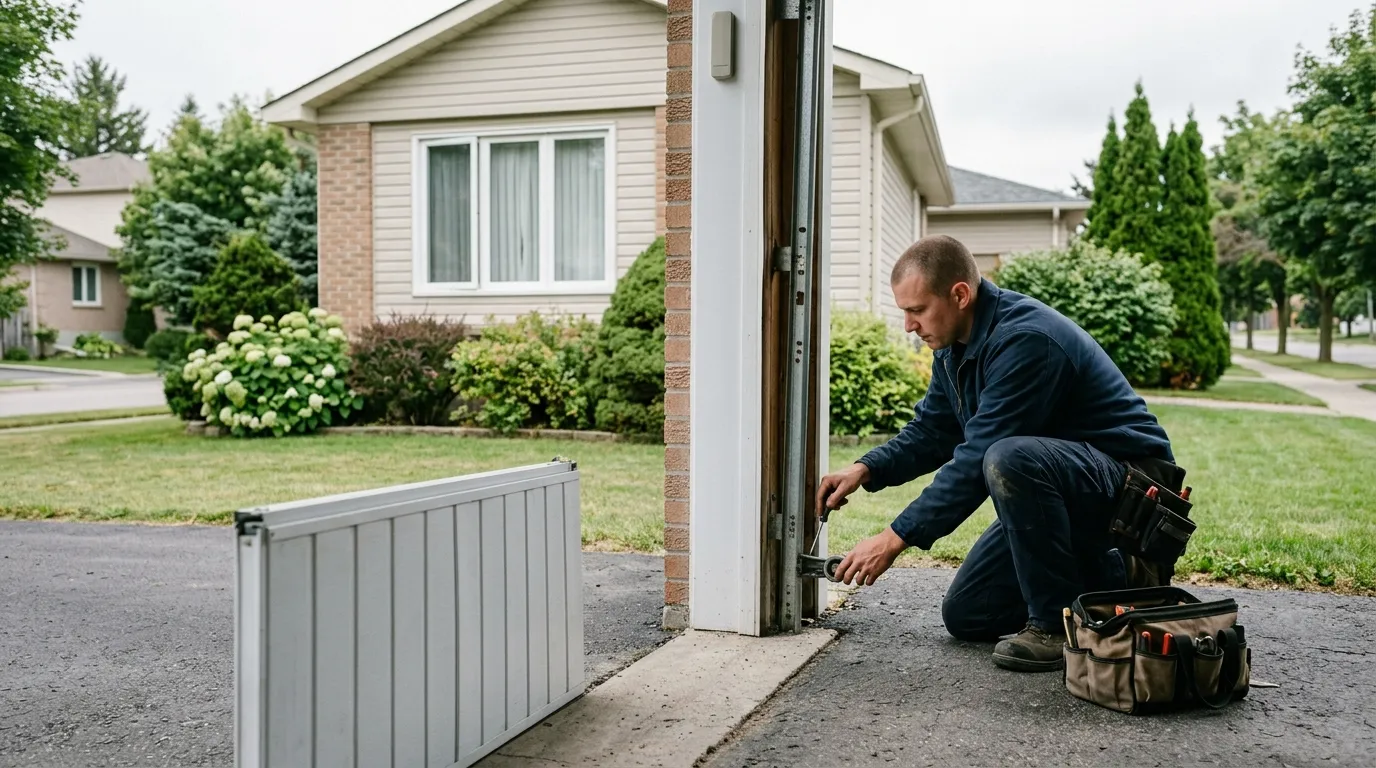
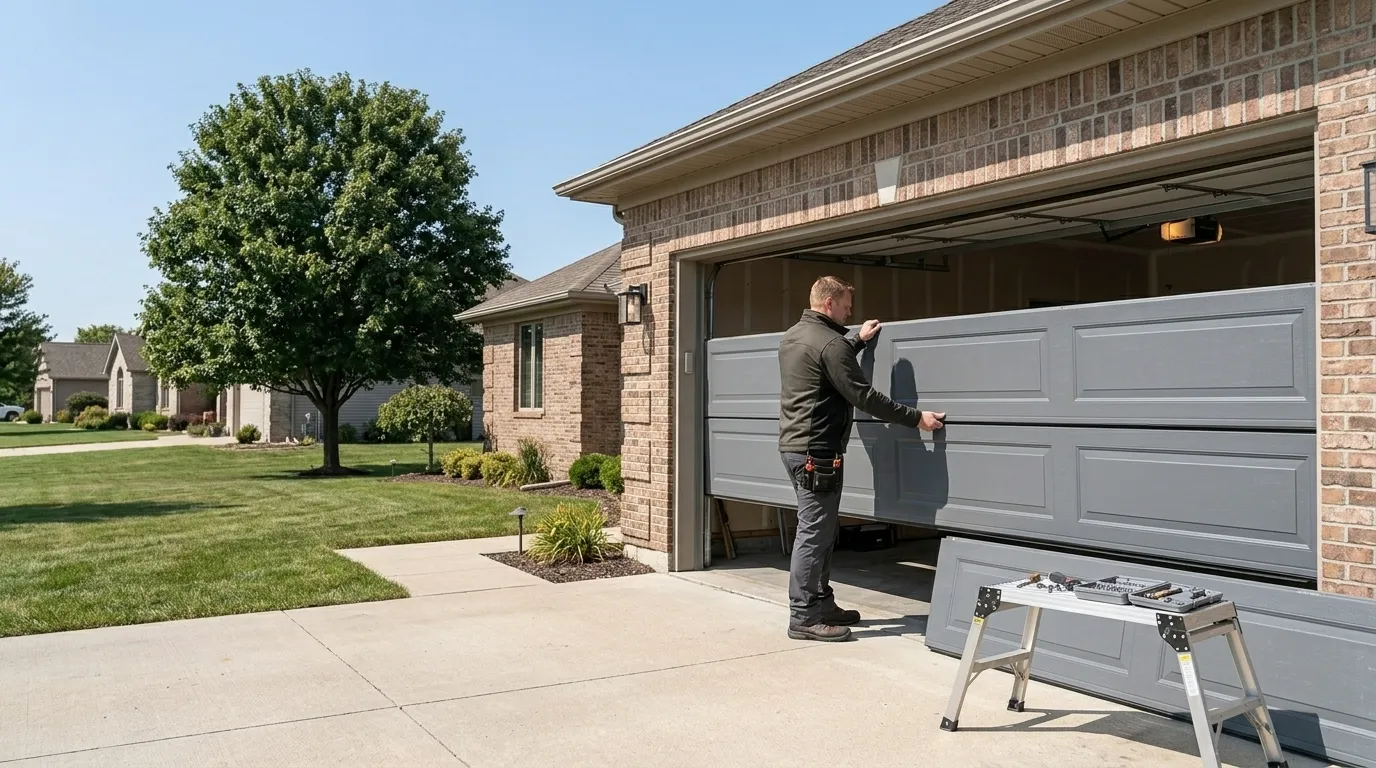
We also don't take on jobs where the opening itself is the problem - a header that's sagged, framing that's rotted out behind the trim, or a slab that's settled enough to rack the tracks. That's carpentry and foundation work, not garage door work, and we'll tell you straight if that's what you're looking at instead of trying to force a door into a bad opening. Fixing the door in that case just means you pay twice.
And if you want a custom wood carriage door built from scratch, that's a specialty shop job, not ours. We install and repair steel and insulated doors well. We don't fabricate.
Old Streets and New Ones
McRae isn't one age of neighborhood. There's an older core near the middle of town where the doors tend to be plainer, lighter-gauge steel on simpler extension-spring hardware - the kind of setup that was standard before insulated doors became common. Then there's newer building further out, closer to the area's overall median build year of 1991, where you start seeing torsion springs mounted on a center bracket and doors with at least some foam core.
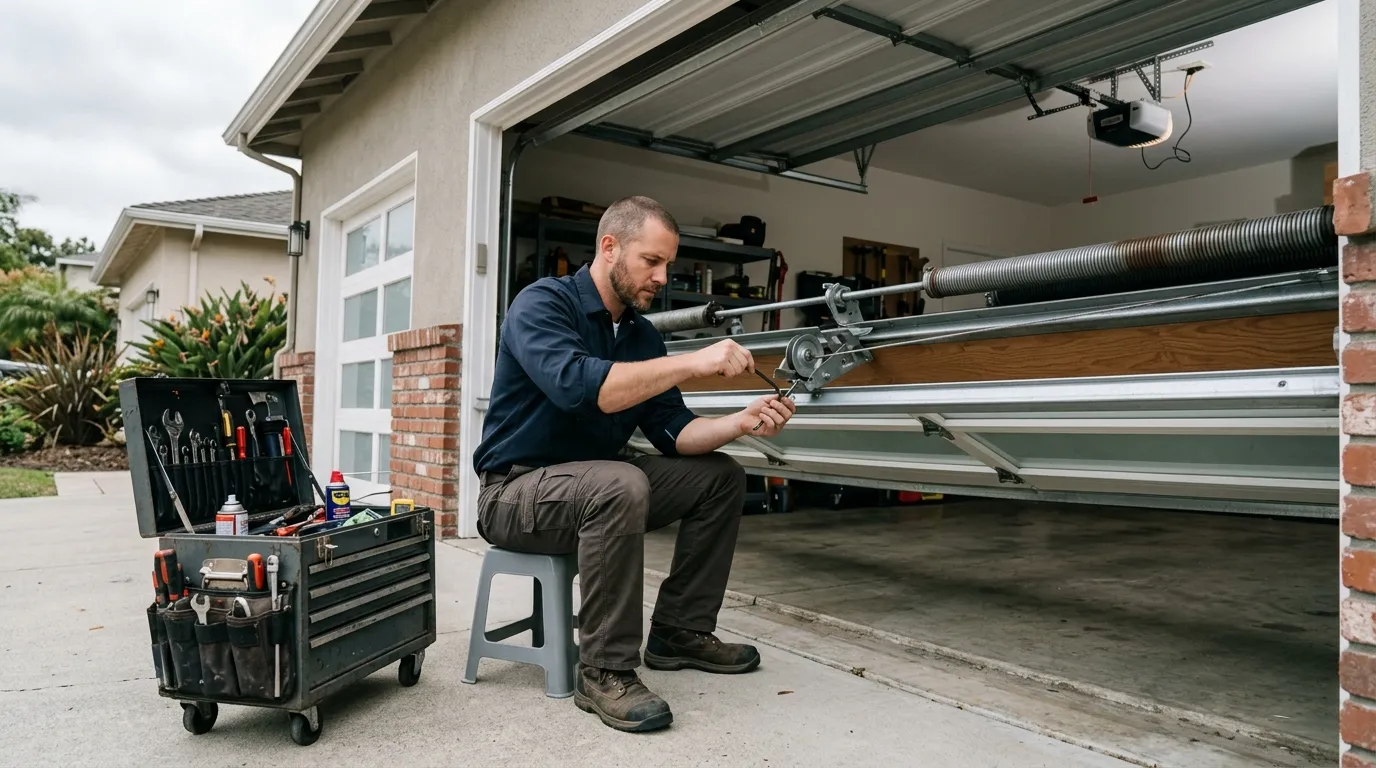
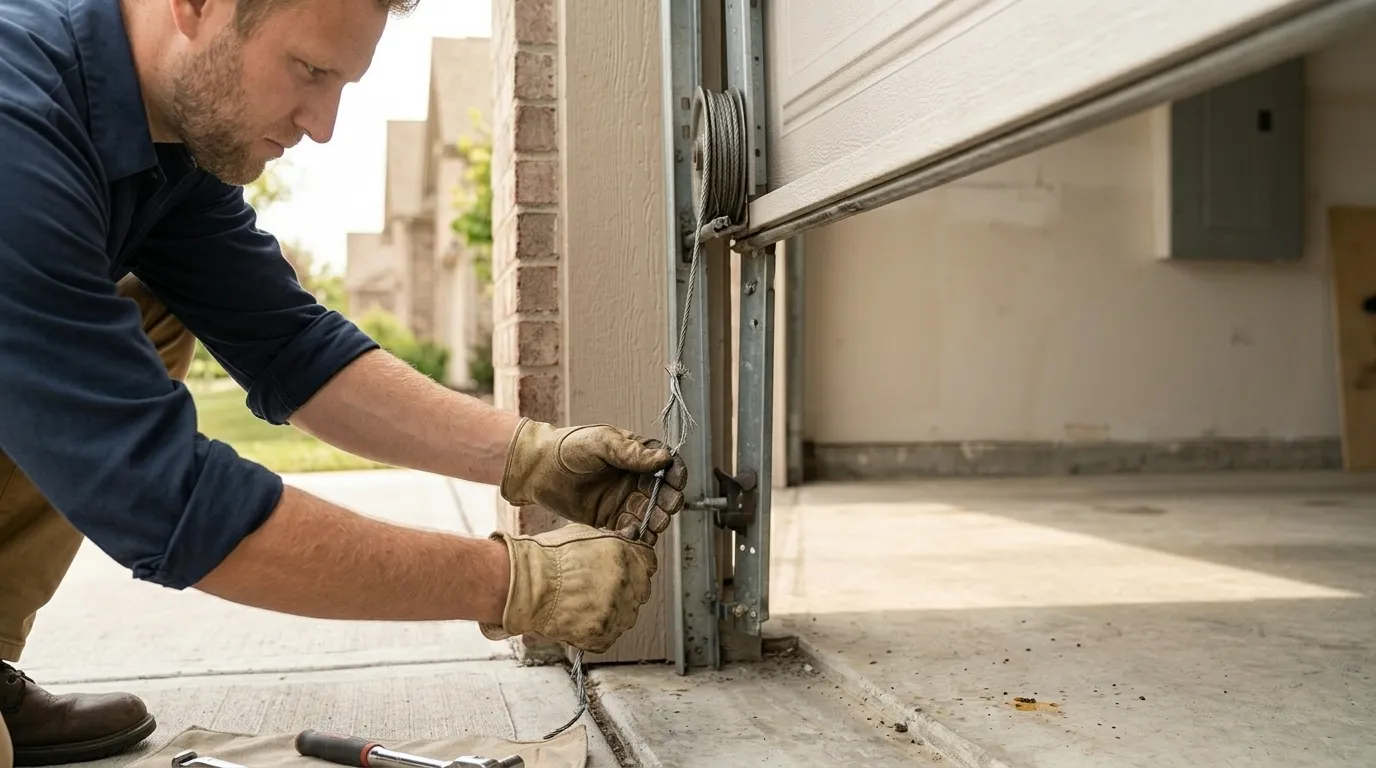
The practical difference shows up when something breaks. A cable snapping on one of the older extension-spring doors is a different repair, with different parts, than a torsion spring failing on a newer double door. We ask what year the house was built before we quote anything, because guessing wrong means showing up with the wrong spring size on the truck.
Across the wider service area - Kensett, Judsonia, Bald Knob, Beebe, and McRae together - the housing stock runs from 1975 to 1997, with a median around 1982. McRae itself sits later in that range, which matters more than it sounds like it should.
What the Housing Means for Your Door
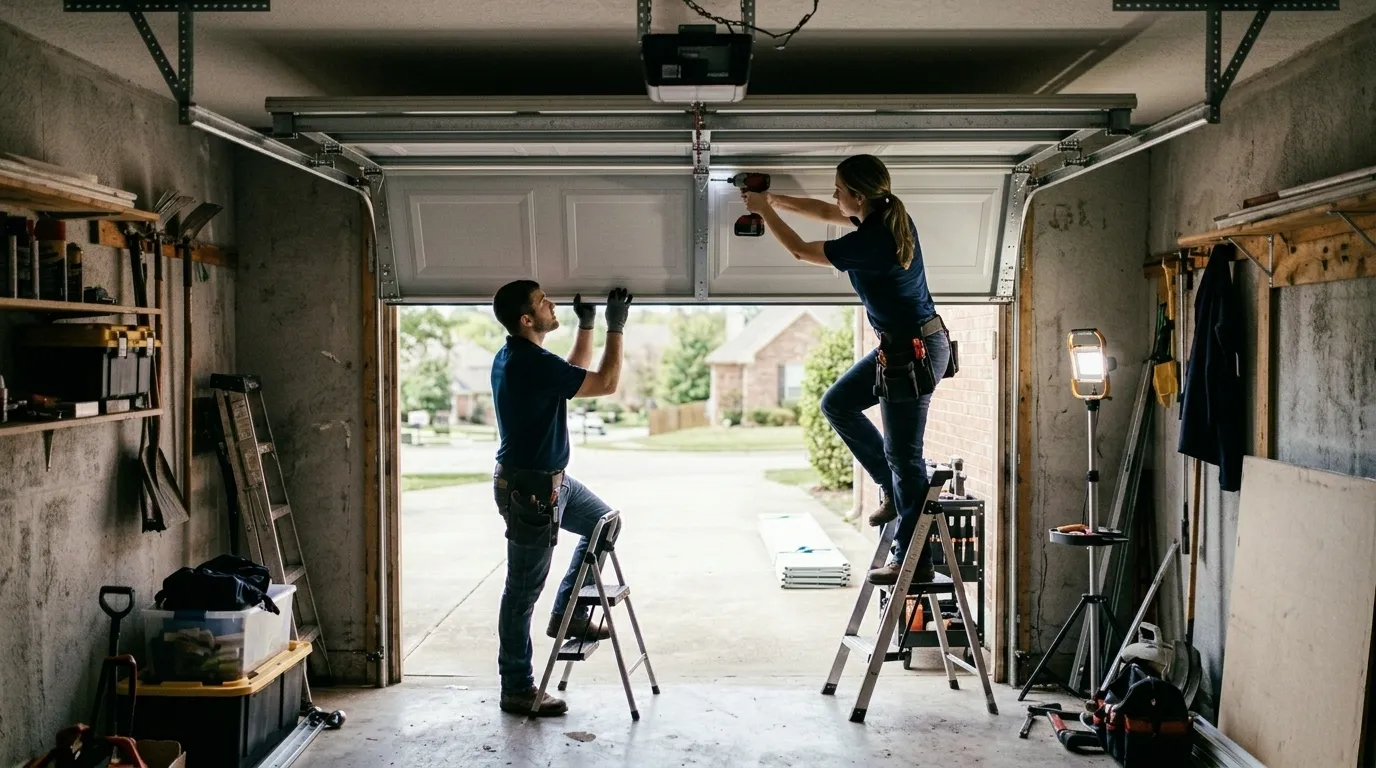
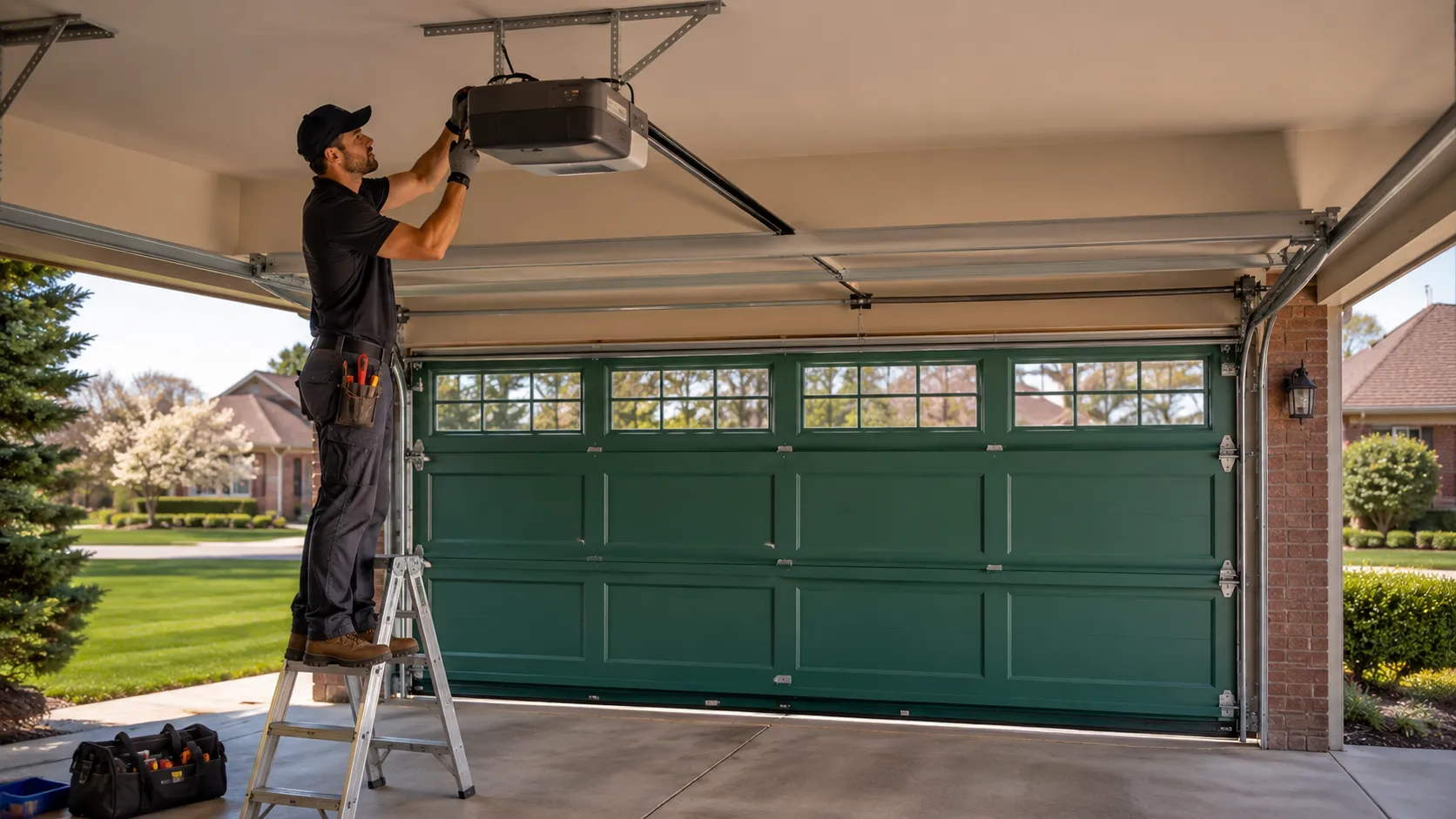
A door installed around 1991 on a torsion spring is now old enough that the spring has likely done its rated number of cycles, or is close to it, even if it's never visibly failed. That's the most common call we'd expect from this area - not a dramatic snap, but a door that's gotten harder to lift by hand or an opener straining on a spring that's lost tension gradually.
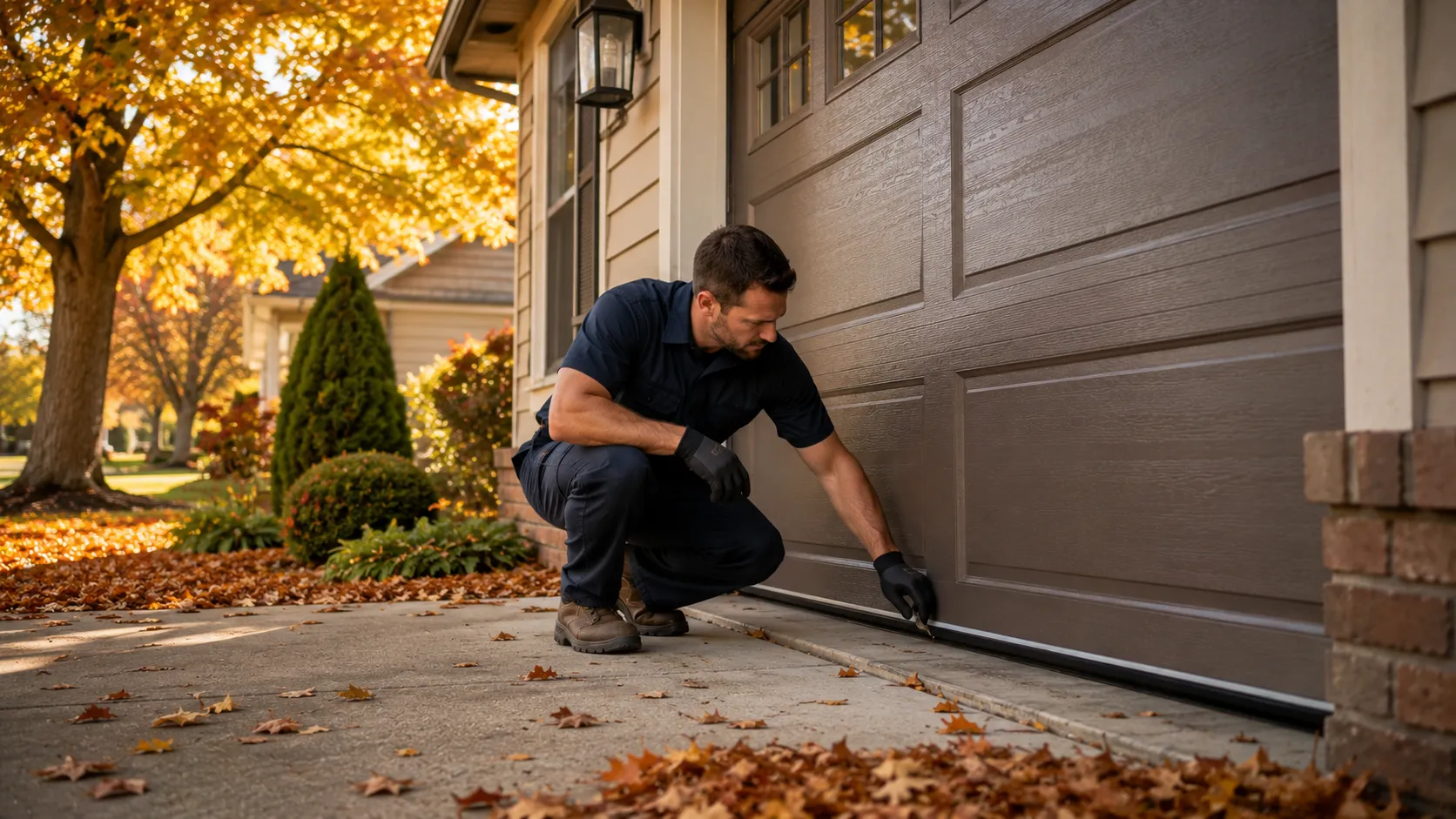
The area sits in a cold-moderate climate band, which over 30-plus years works on steel panels and weatherstripping more than people expect. Rollers wear, tracks pick up rust at the bottom where snowmelt and rain sit, and the bottom seal on an early-90s door has usually been replaced at least once by now, sometimes with a seal that doesn't quite fit right.
None of this means the doors are in bad shape - 1991 steel holds up fine with basic care. It means that when something does go wrong, it's usually a specific, known part: the torsion spring, the roller bearings, or the opener's drive gear. That's a repair, most of the time, not a reason to replace the whole door.