What Can Go Wrong
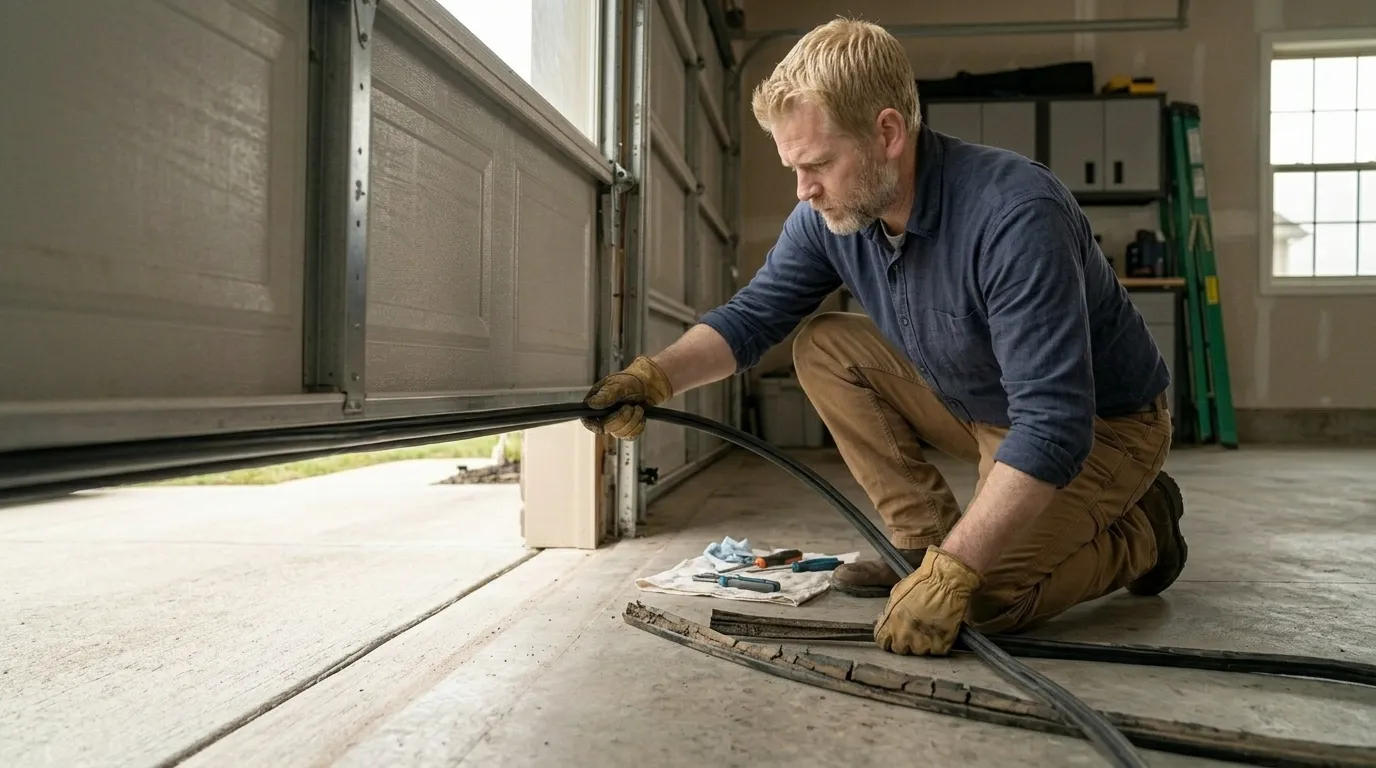
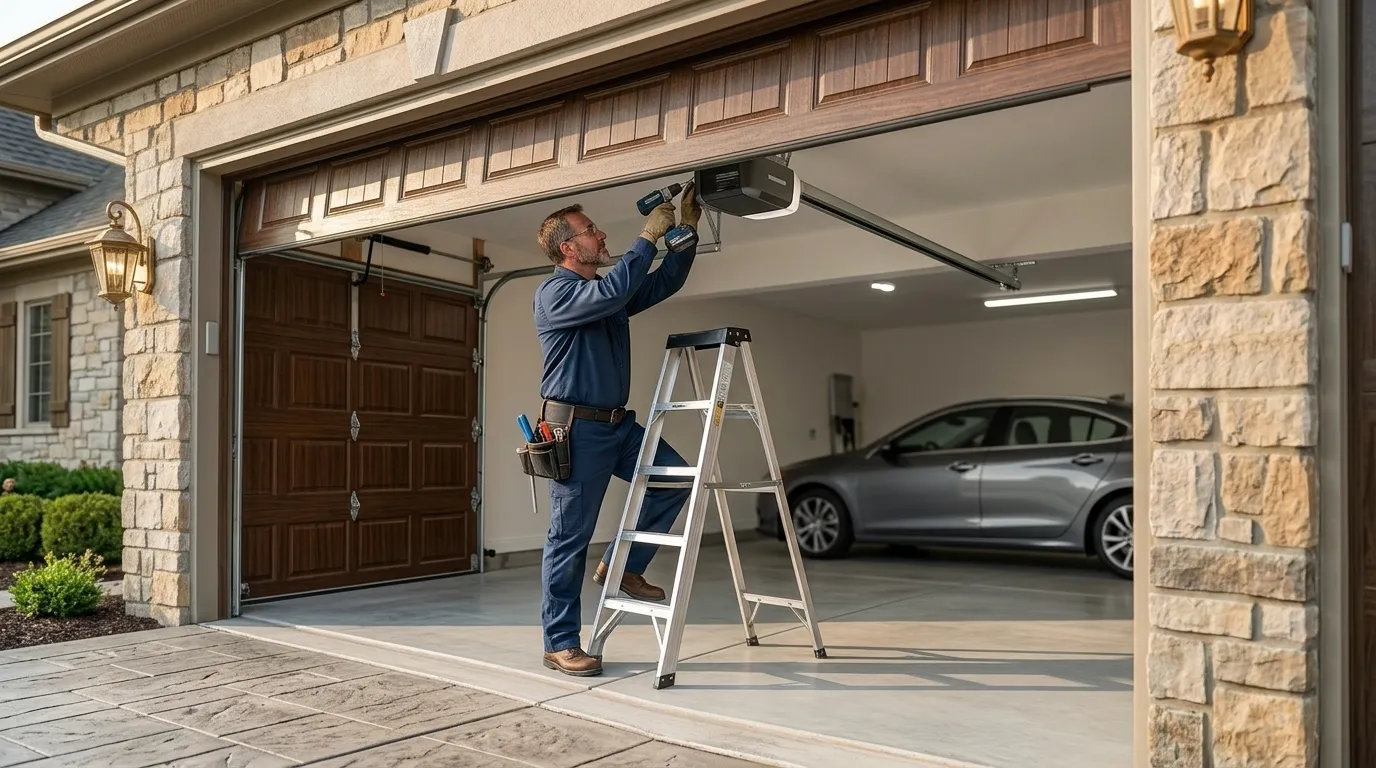
Most of the garage door service calls we run in Searcy trace back to the same handful of parts wearing out at the same time, because so many houses here were built in the same stretch of years. With housing across this area going up mostly between 1975 and 1997, median around 1982, a lot of doors are still running original torsion springs, original rollers, and openers from a generation that didn't have the safety-reversal sensors modern units require. Springs are rated for a number of cycles, not years, but a spring installed in 1982 is well past any reasonable service life regardless.
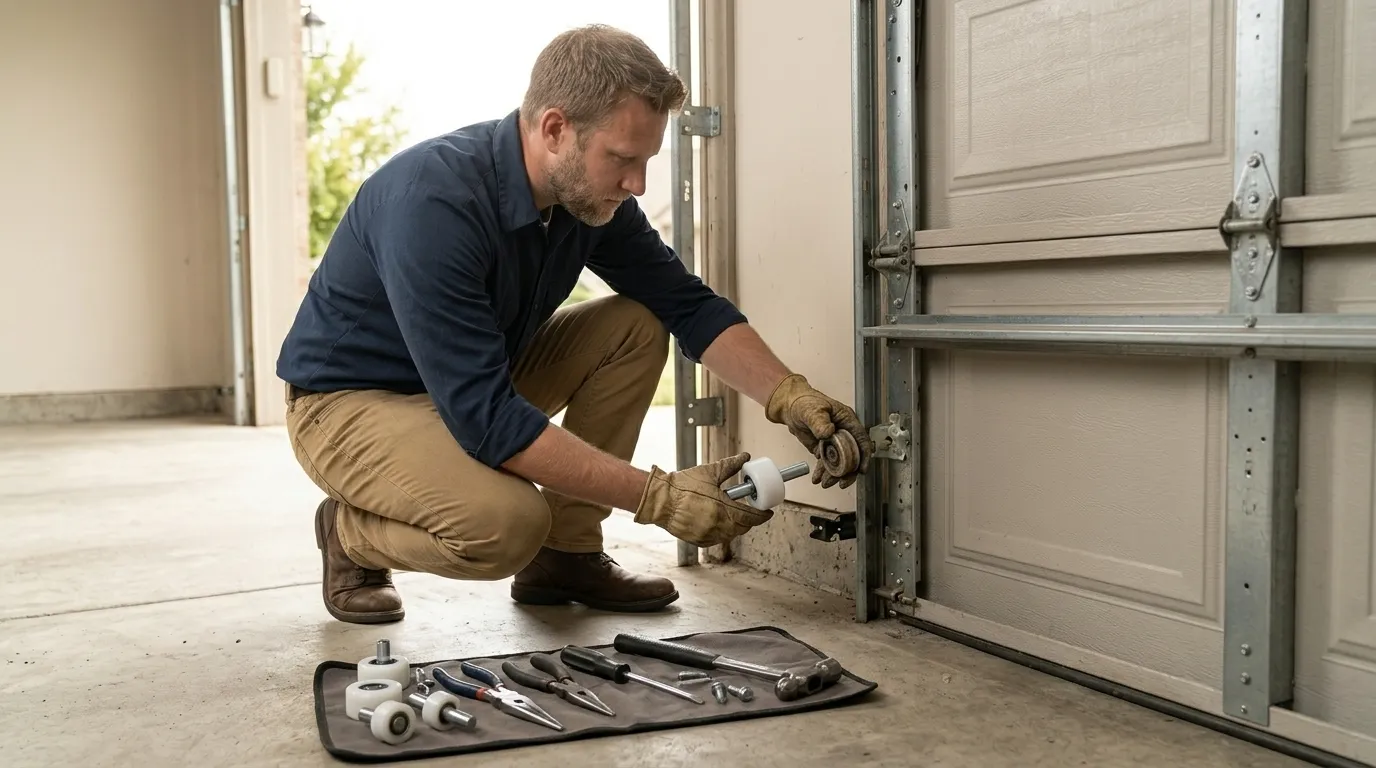
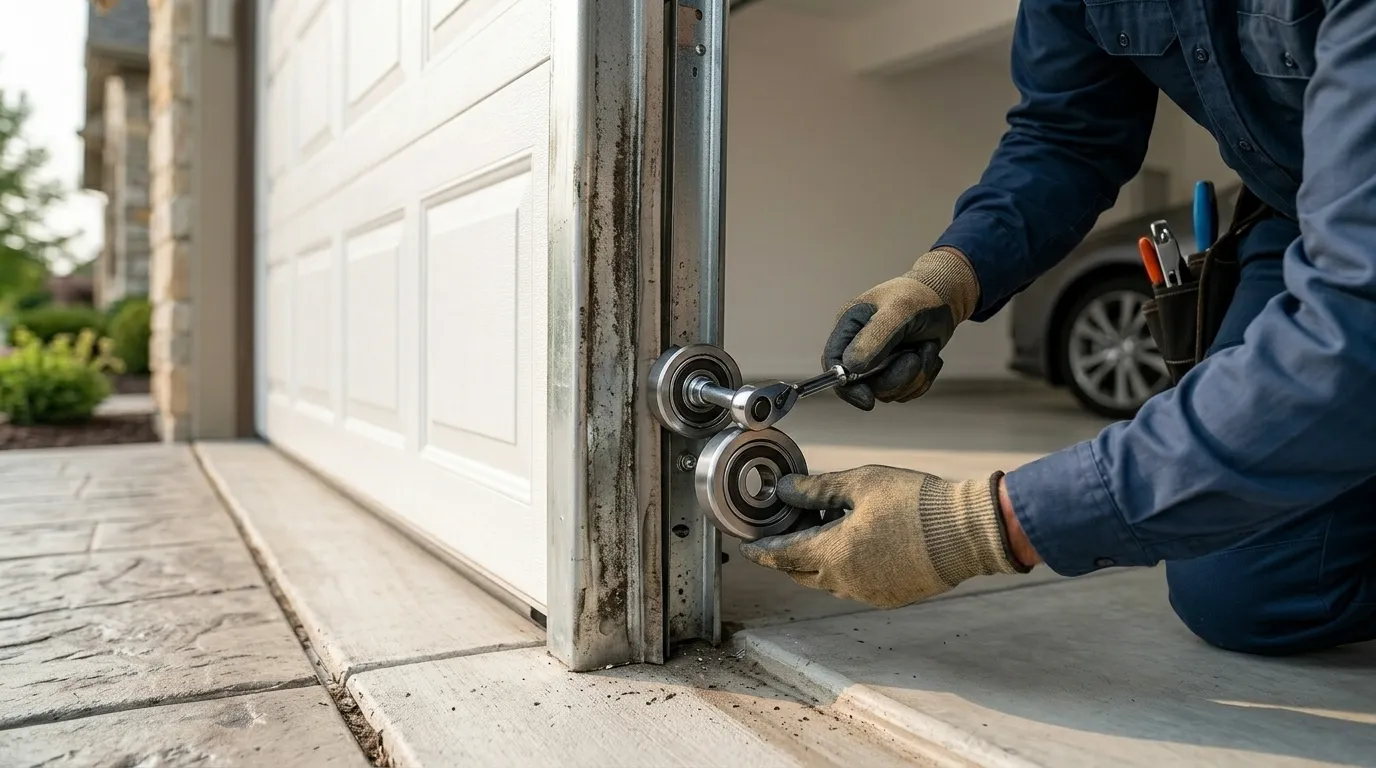
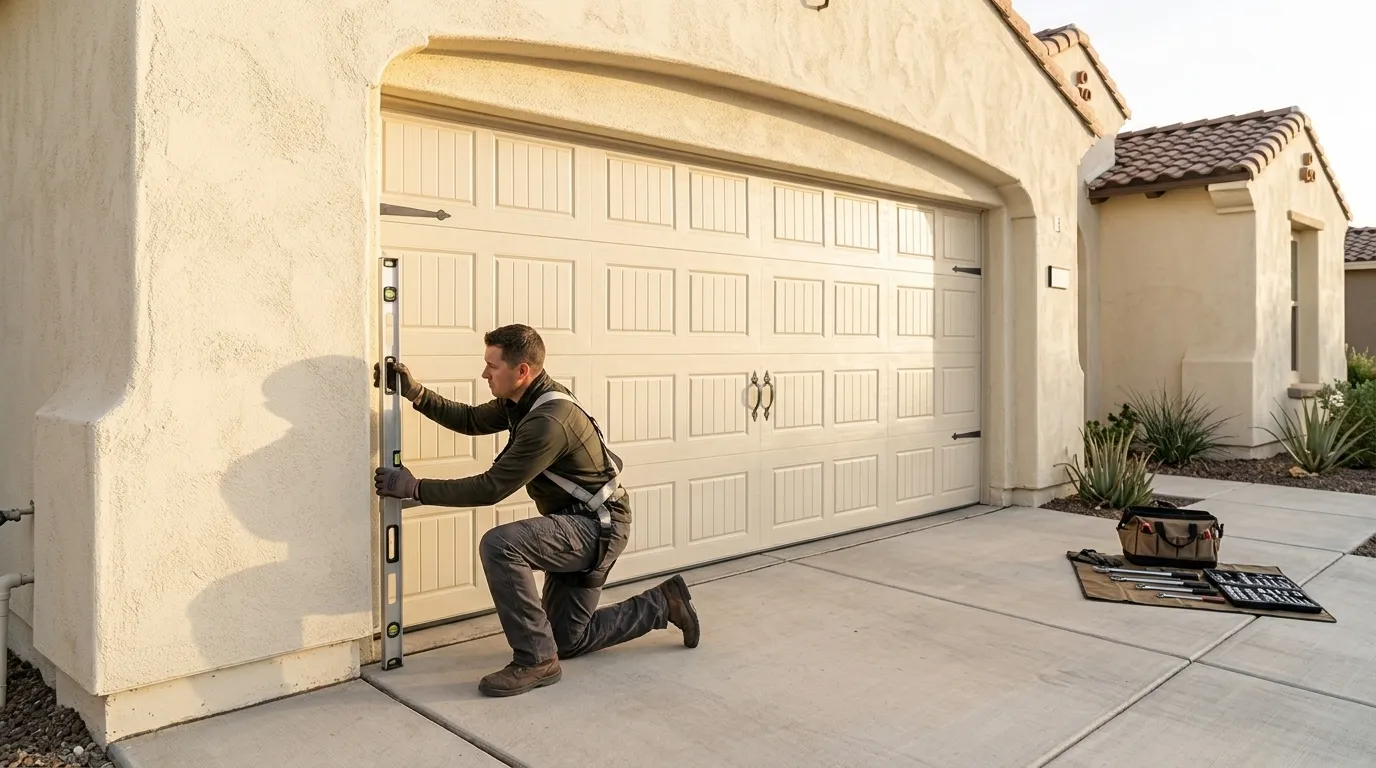
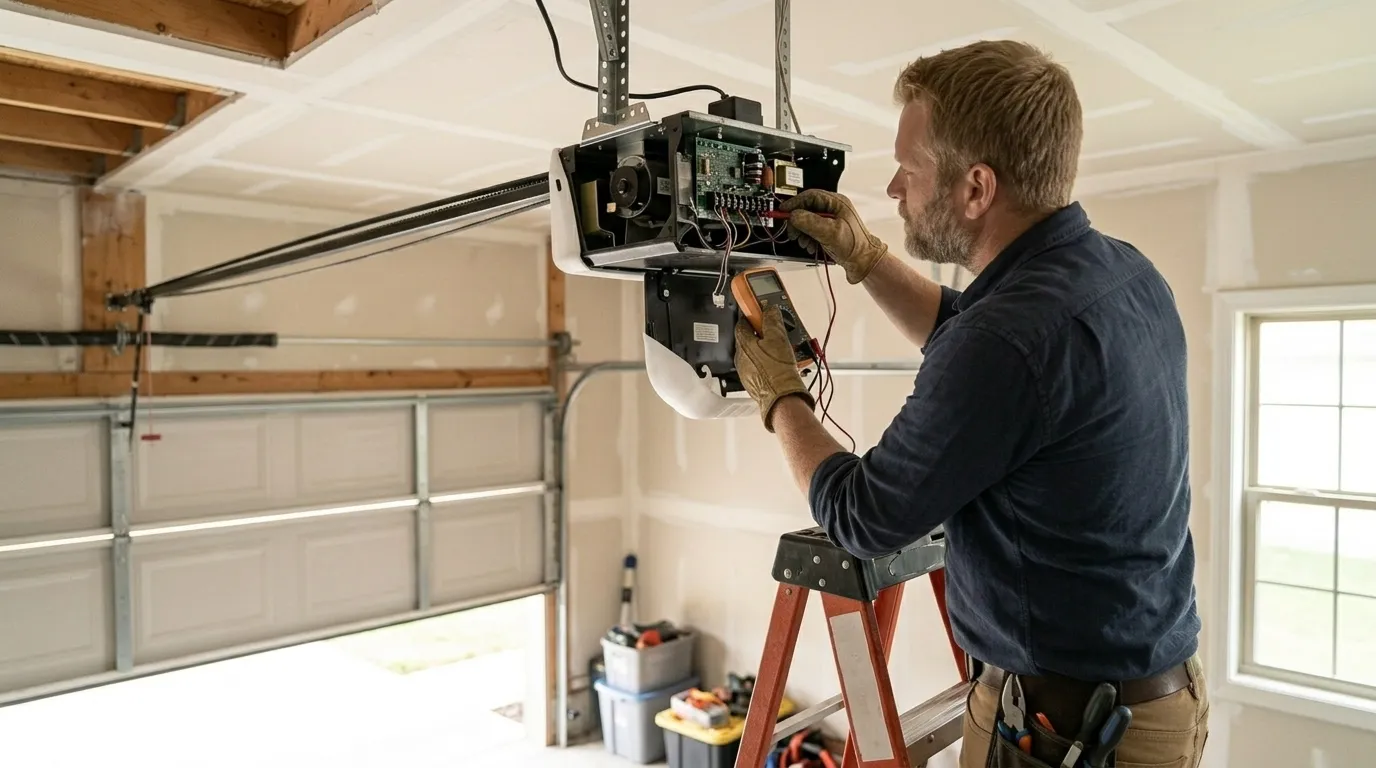
Cables fray at the drum end. Torsion bar bearing plates wear oval instead of round, which throws the whole door out of level. Openers from that era use gear-and-sprocket drive trains that strip teeth quietly - you won't hear it until the door won't lift at all. None of this is dramatic. It's just a door built for a 1980s house reaching the end of what a 1980s door was built to do.
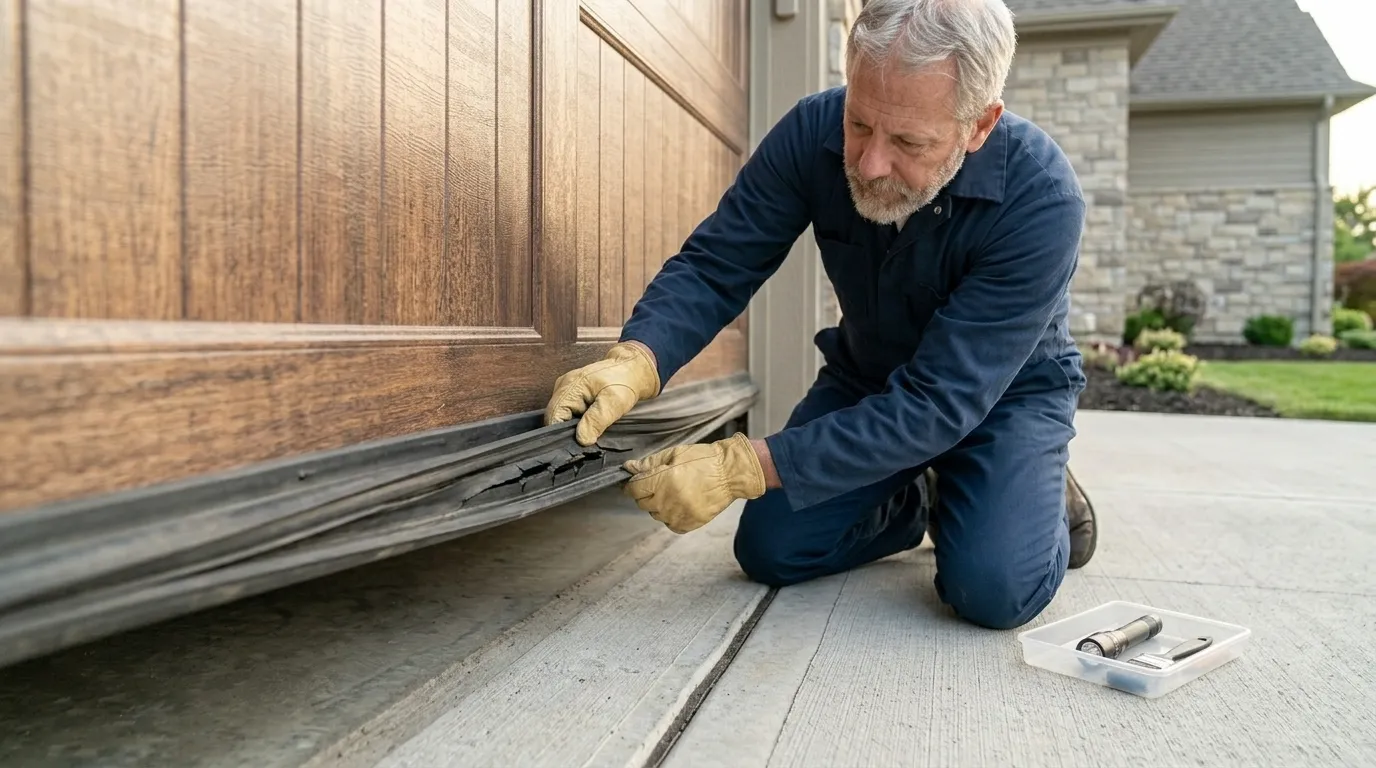
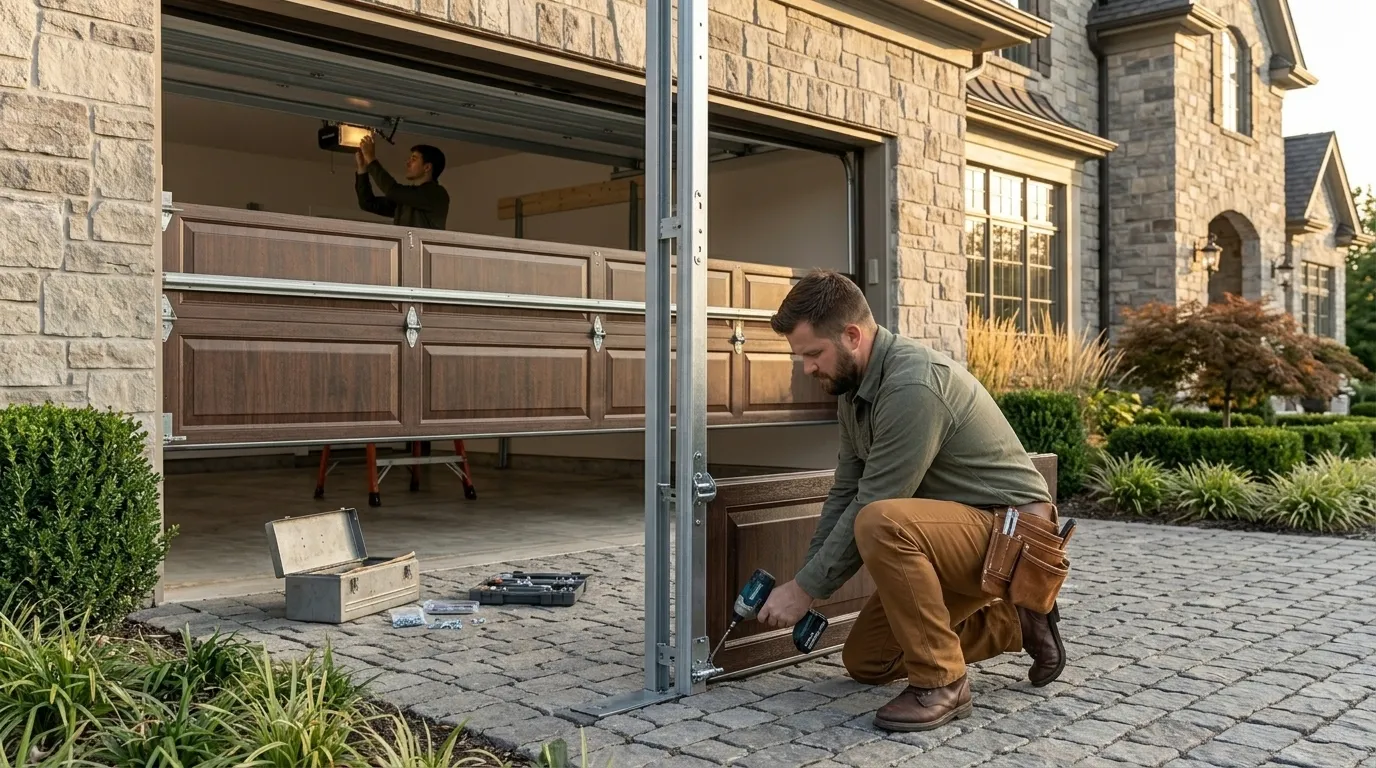
One honest limitation: if the track is bent or the door panels have rusted through at the bottom, we're not going to spend your money patching it. Past a certain point, replacement costs less over five years than repeated repair visits, and we'll tell you when you've hit that point instead of running the meter.
What It Costs
We don't post flat prices for garage door service because a spring job on a single door and a full track realignment on a double door aren't the same call, and quoting one number for both would be a guess dressed up as a fact. What we can tell you is how we scope it: we look at the door, tell you what's actually broken, and price that specific repair before we touch anything.
With a median household income in the low-to-mid $40,000s across the households we serve, we know most people calling us aren't looking to gold-plate a garage door - they want it fixed right and they want to know the number before we start. That's the estimate you get. If a repair doesn't make sense against replacement, we say so up front rather than let a small job become three small jobs.
Why It Happens Here
Searcy's housing stock skews heavily toward one window of construction - mostly 1980s and '90s builds across the five areas that make up this service territory - and that concentration is the whole reason garage door failures cluster the way they do. A city with houses spread evenly across a hundred years sees a hundred years of different hardware failing at random times. Here, thousands of doors installed within roughly two decades of each other are aging out within roughly the same few years of each other.
Add a cold-moderate climate that puts real seasonal swing on steel components, and you get predictable failure timing: late fall through winter is when springs and cables give out, because that's when contraction meets metal fatigue that's been building for thirty-plus years. We see it in owner-occupied houses across this stretch of Arkansas, from the Searcy side out toward Kensett and Judsonia, at a rate that tracks the build years, not the calendar year. It's a housing-age problem wearing a weather costume.