What It Costs
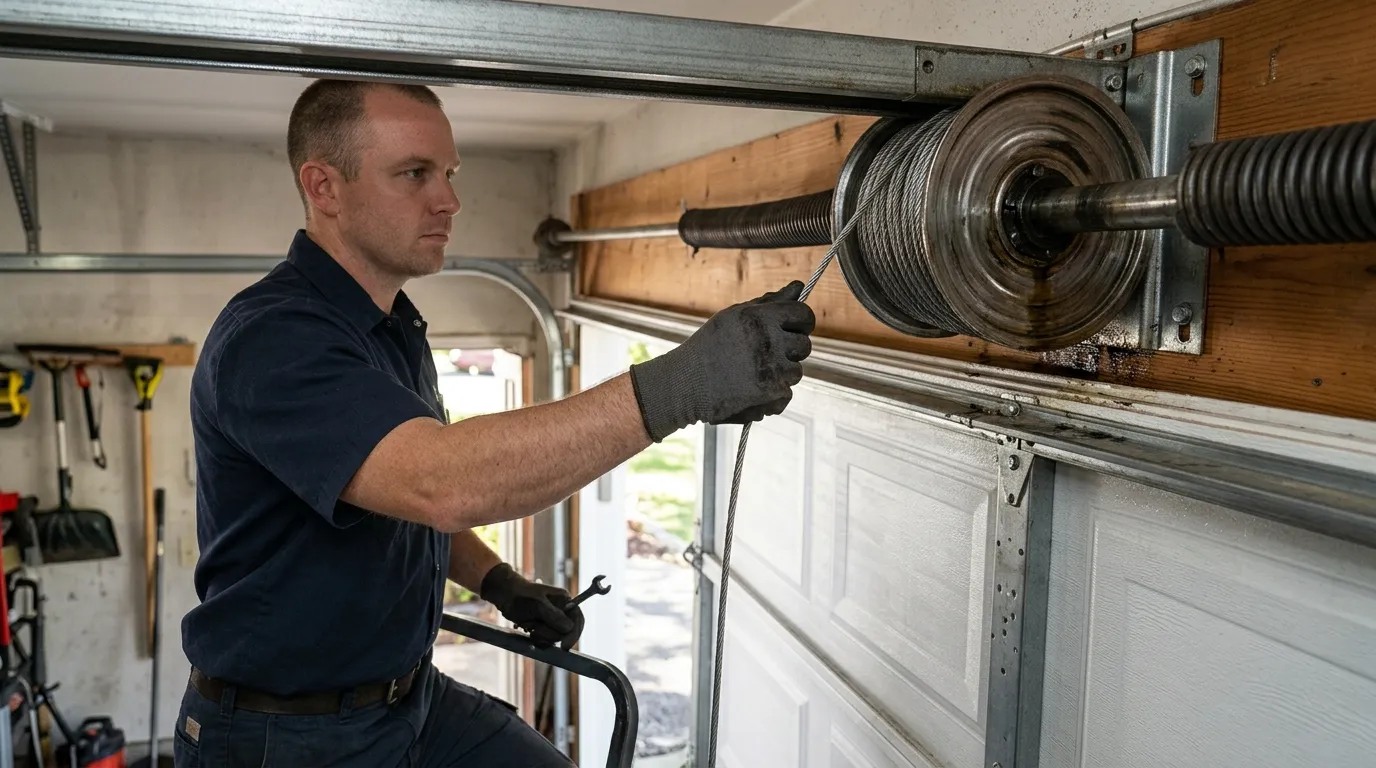
A service call isn't one flat number, and we won't pretend it is. What drives the cost is mostly what's behind the door panel. Most houses across this service area went up between 1975 and 1997, with the median landing around 1982, so a big share of the springs, cables, and openers we find are original or one replacement removed from original. That means a tech might spend part of the visit tracking down a torsion spring sized for hardware nobody stocks on the truck as a default anymore, which adds time before any repair starts.
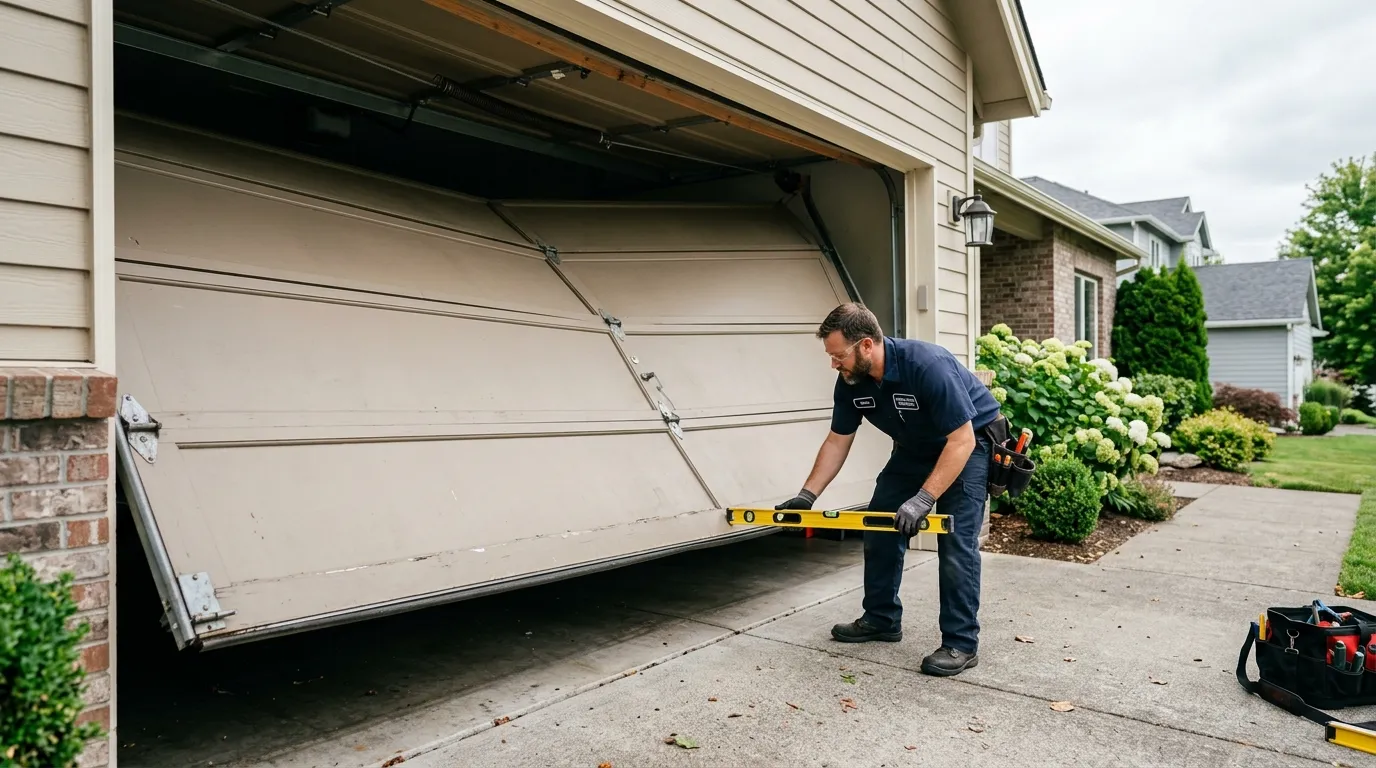
We don't quote a job sight unseen because a bent track on a 1980s steel door and a burnt opener motor board are two different repairs with two different parts lists. What we can tell you: the diagnostic visit and the labor to open the door and look are the baseline, and anything beyond that gets priced once we know what part number we're actually chasing. With a median household income of $43,811 across the area, we try to be straight about whether a repair is worth doing before we start it, not after.
When Waiting Is Fine
Not every noise or hitch means call today. If your door is slow to close but still seats fully and the opener isn't straining or reversing, that can often wait a week or two, especially outside the coldest stretch of the year. Searcy sits in a cold-moderate climate band, which means the temperature swing between summer and a hard winter morning is real but not extreme enough to demand emergency-level urgency for a stiff track.
Where we tell people to wait: a door that's just noisy, a remote that's lost range, a keypad that needs new batteries. Where we tell people not to wait: a spring that's already snapped, a cable frayed at the drum, or a door that's off its tracks. The middle ground - a door that groans on a cold morning but works - is usually a lubrication and adjustment issue, not a same-day emergency, and scheduling it a few days out costs you nothing but the noise.
The Problem
The honest issue with a lot of doors in this area is that they're old enough to need real parts, not just a tune-up, but new enough that homeowners assume a quick adjustment will fix it. A door installed when the median local house was built - early 1980s - is well past the rated cycle count on its original spring, and an opener from that same install is likely running on a motor and gear set that predates current safety standards.
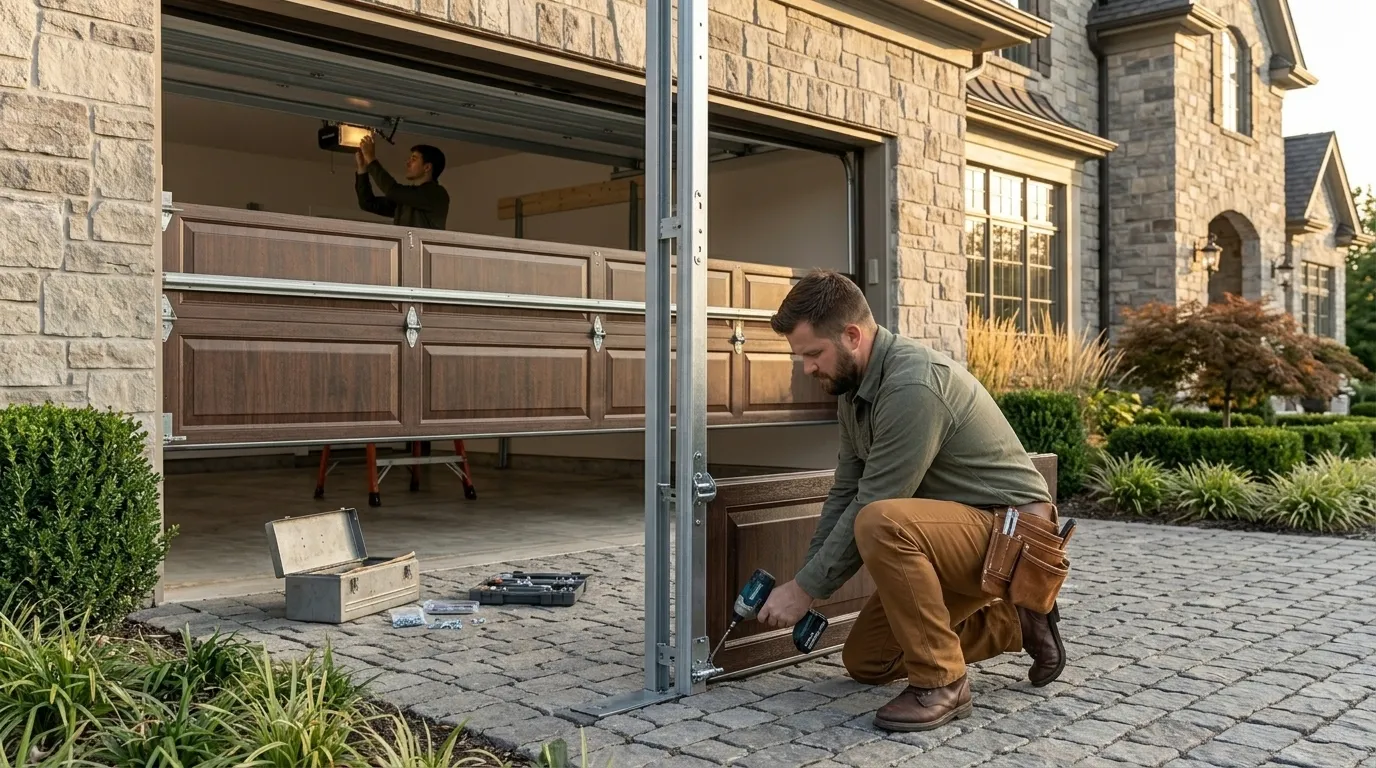
We'll say plainly where we run into limits: some hardware from that era is discontinued, and matching an exact panel or track section on a door that old sometimes means a longer wait on a special-order part rather than a same-visit fix. In those cases, replacing the section - or the whole door - ends up being both faster and more reliable than chasing a part that isn't made anymore. We'd rather tell you that up front than have you wait two weeks for a piece that may not show up.