What We Will Not Take On
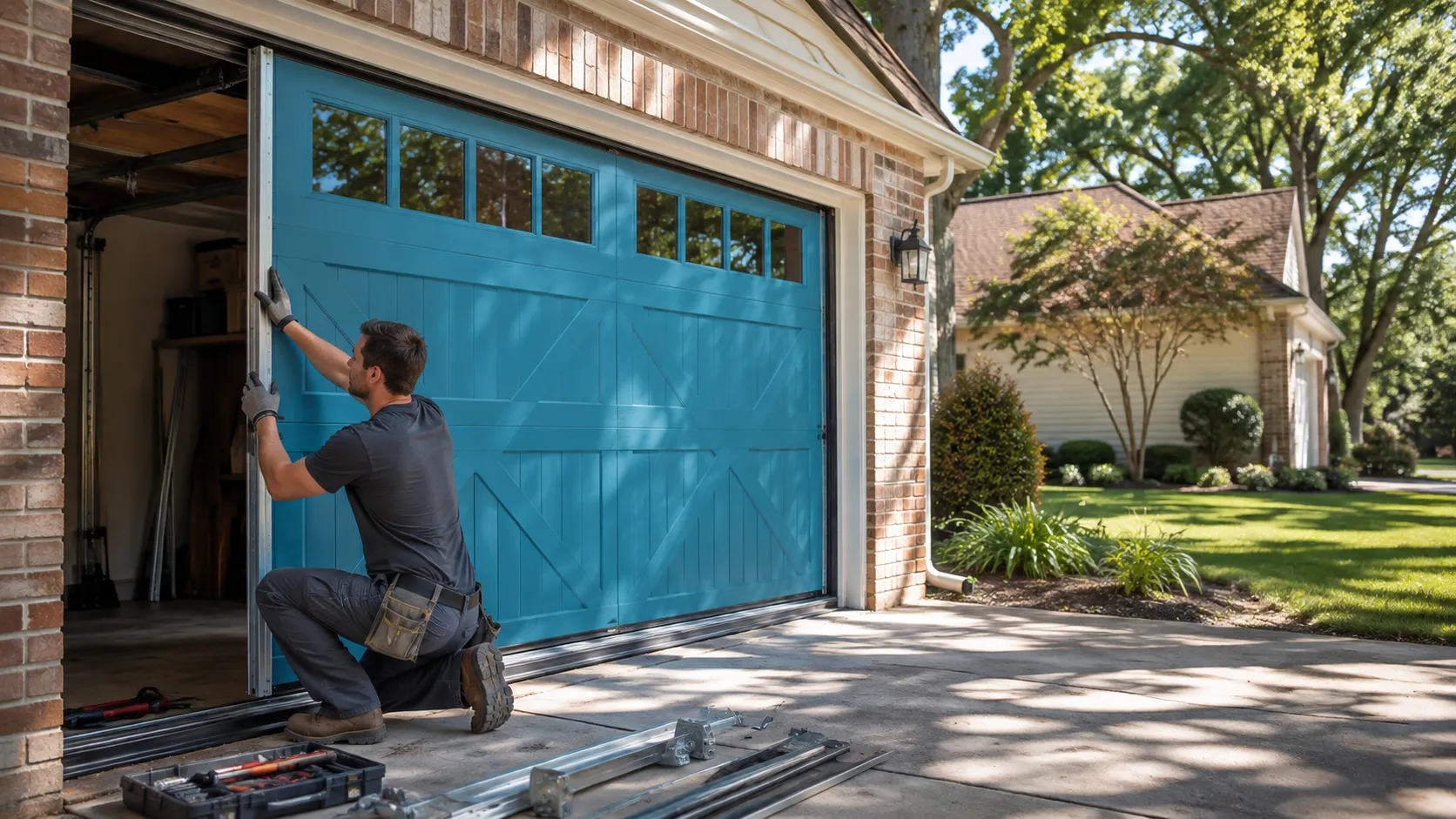
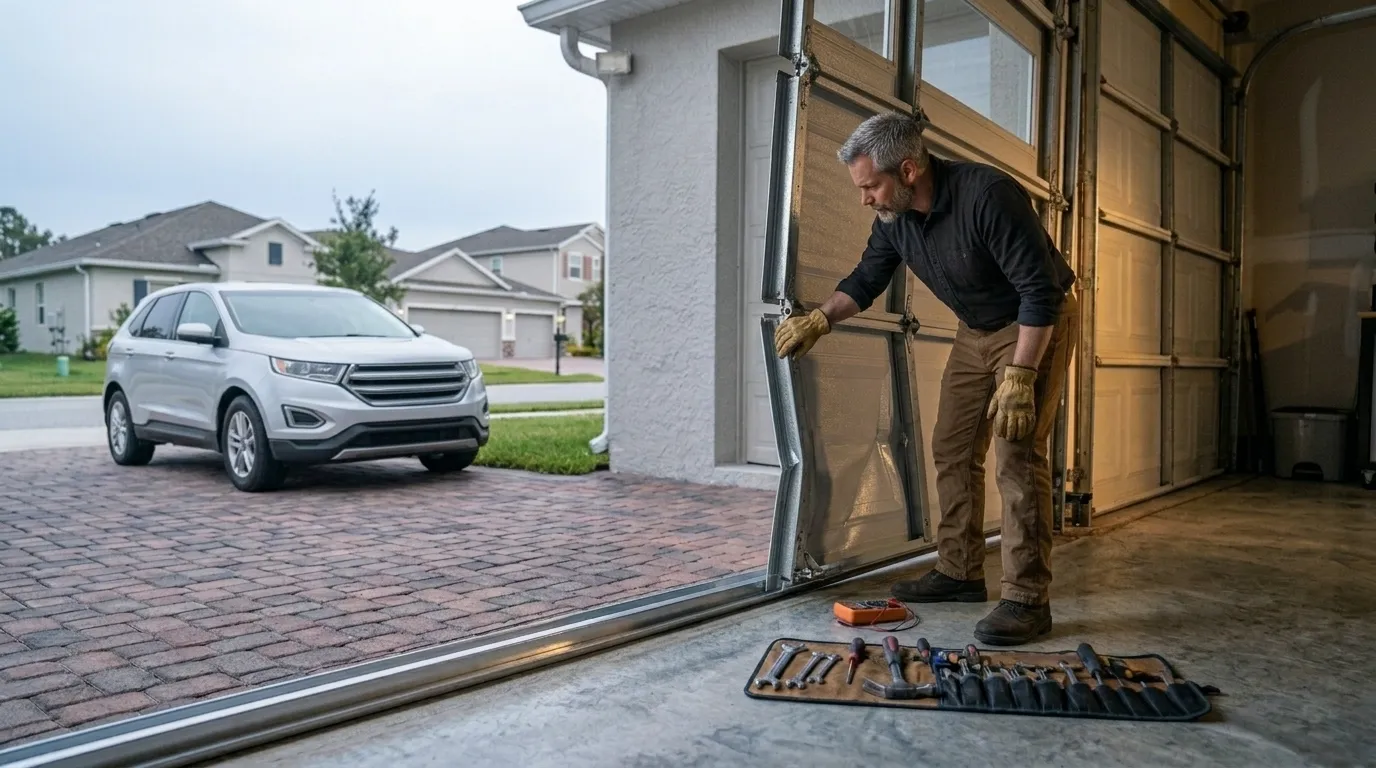
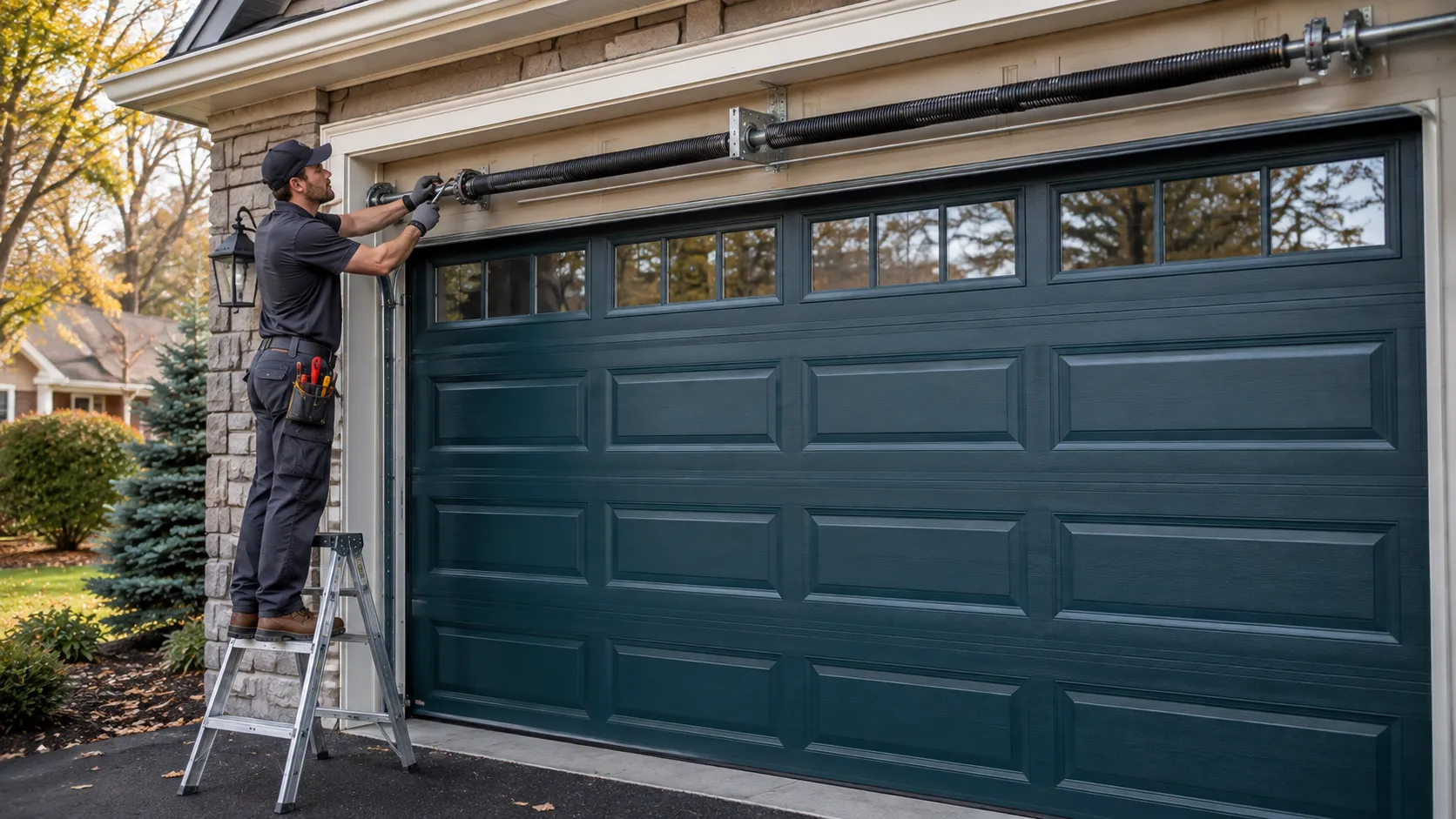
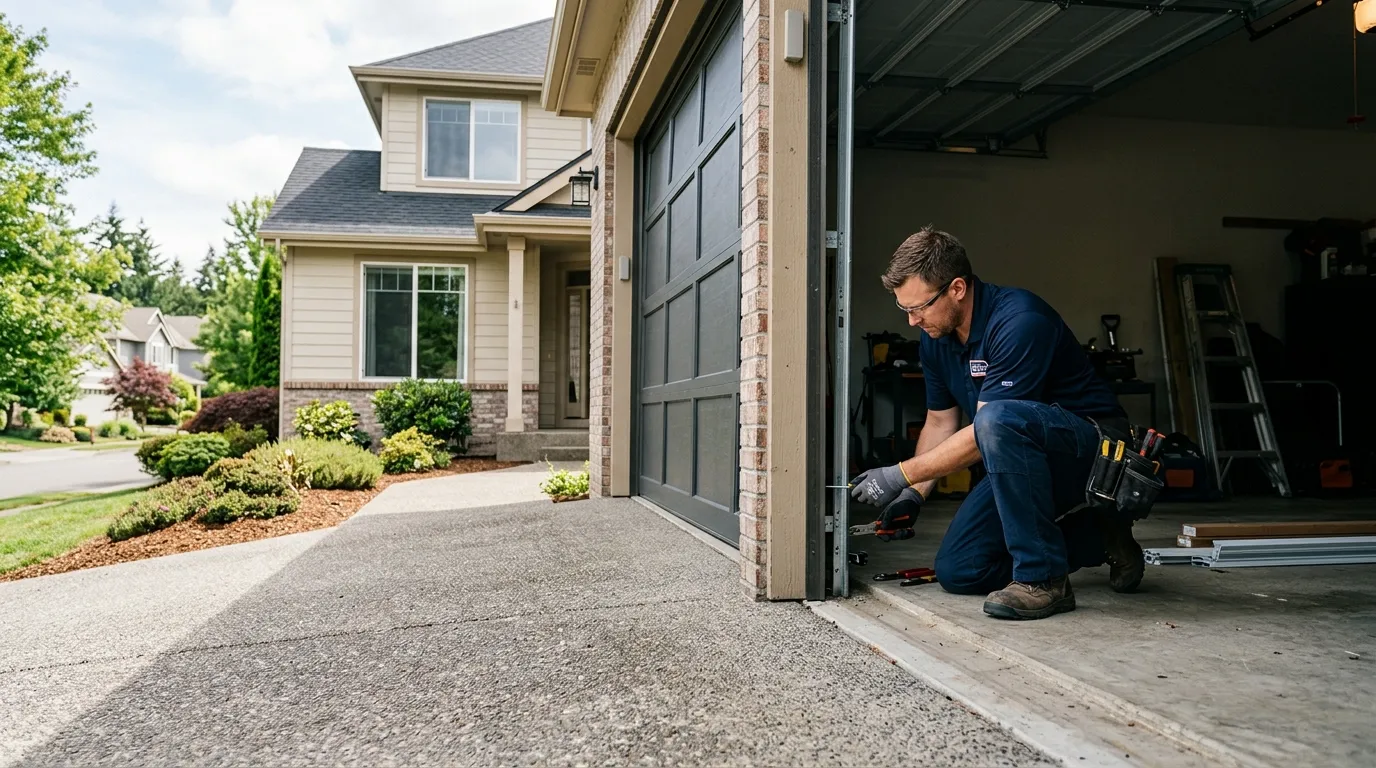
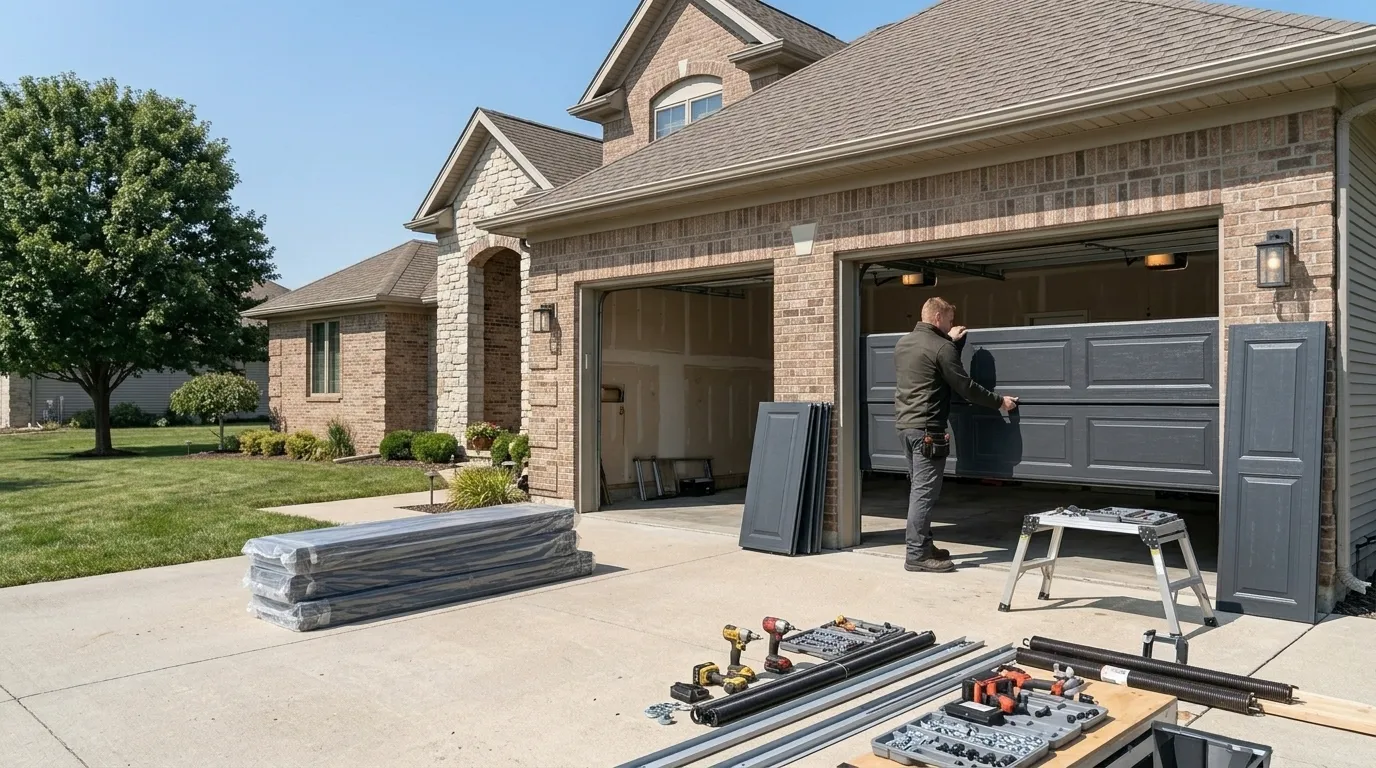
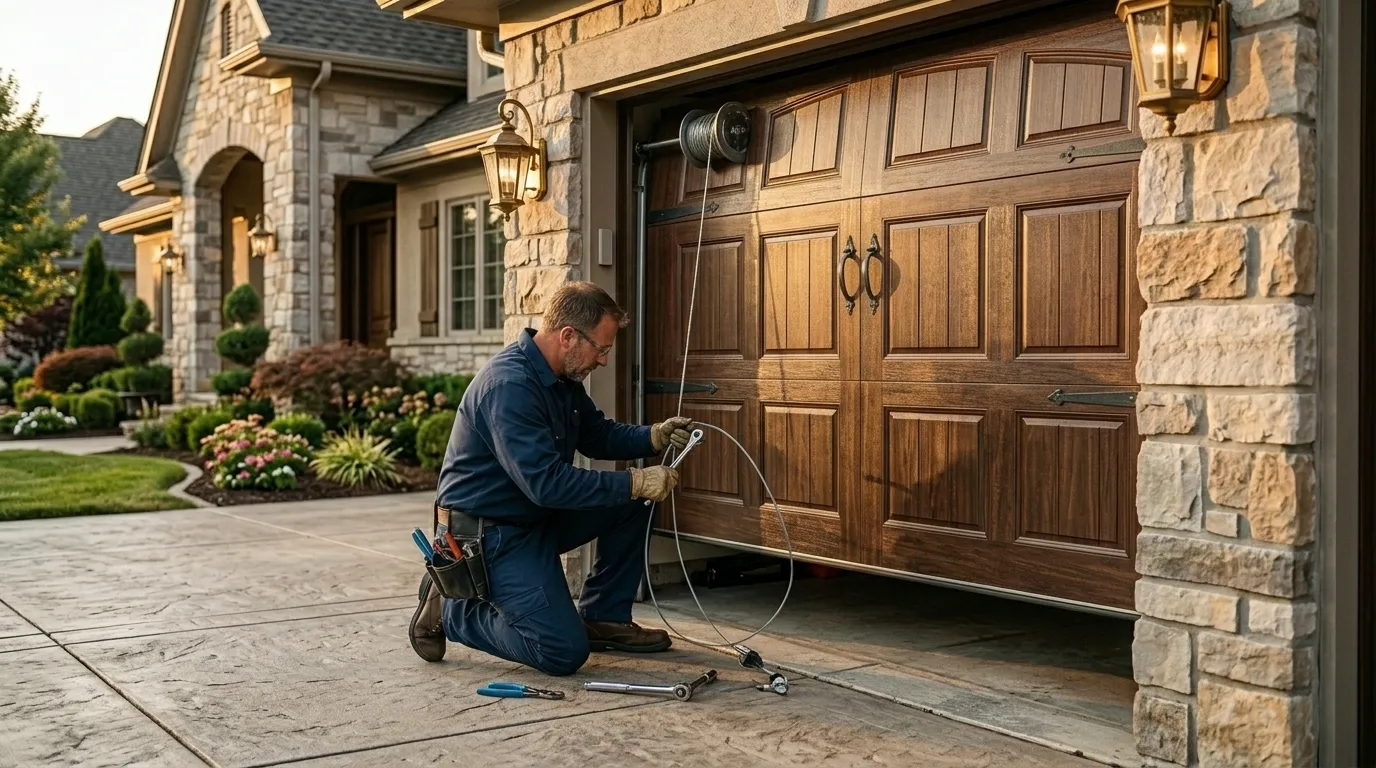
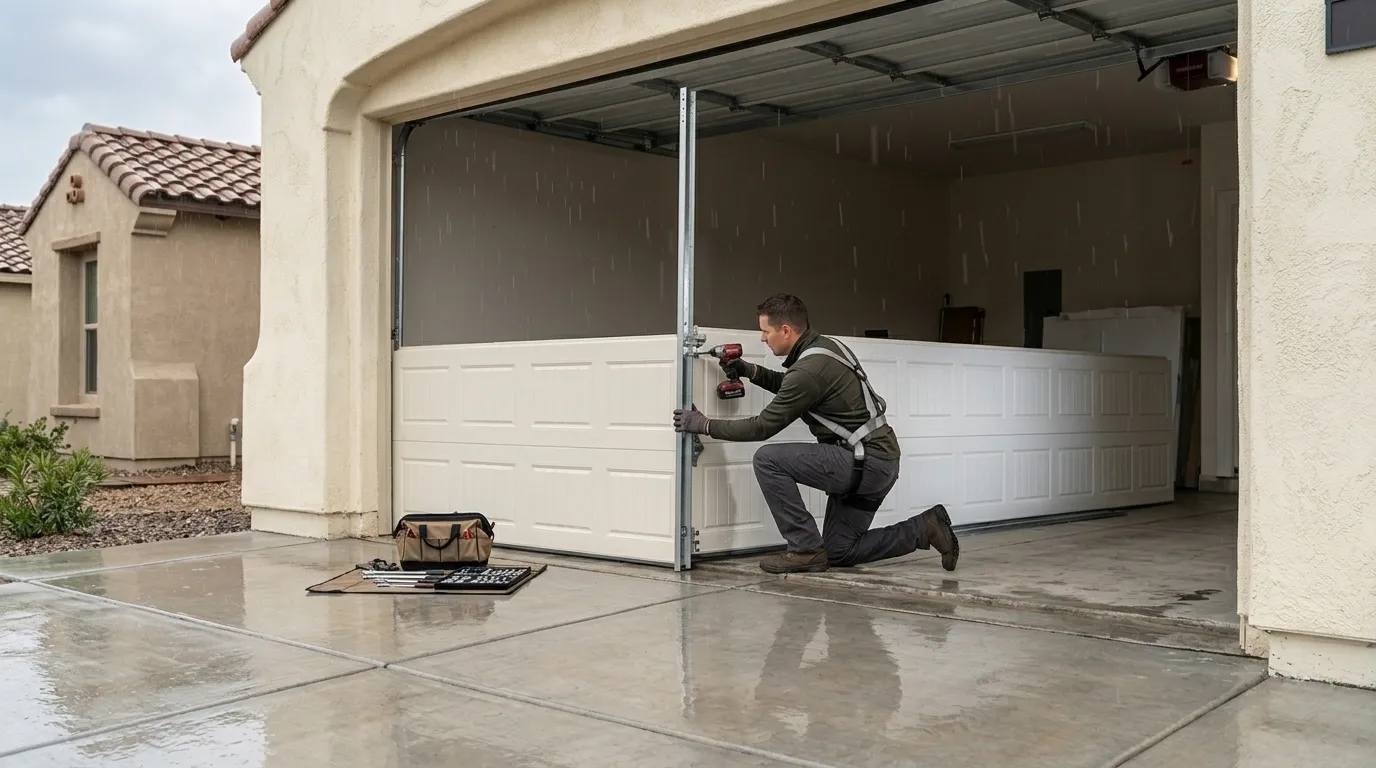
We drive out from Searcy, six miles up the road, and that shapes what we can reasonably promise. We don't keep a depot in Judsonia, so we're not the people to call for a same-hour emergency board-up at 2 a.m. - we schedule the trip, we don't sit around the corner waiting for the phone. We also won't tell you a door is fixable when it isn't. If a torsion spring has taken the bottom bracket with it, or the door itself is bowed from age, patch work just delays a bigger bill. On a lot of the 1980s doors still running here, the sensible call is a full replacement of the door and the hardware together, not a spring swap on a panel that's already failing at the seams. We'll say that plainly instead of running the meter on a repair that won't hold.
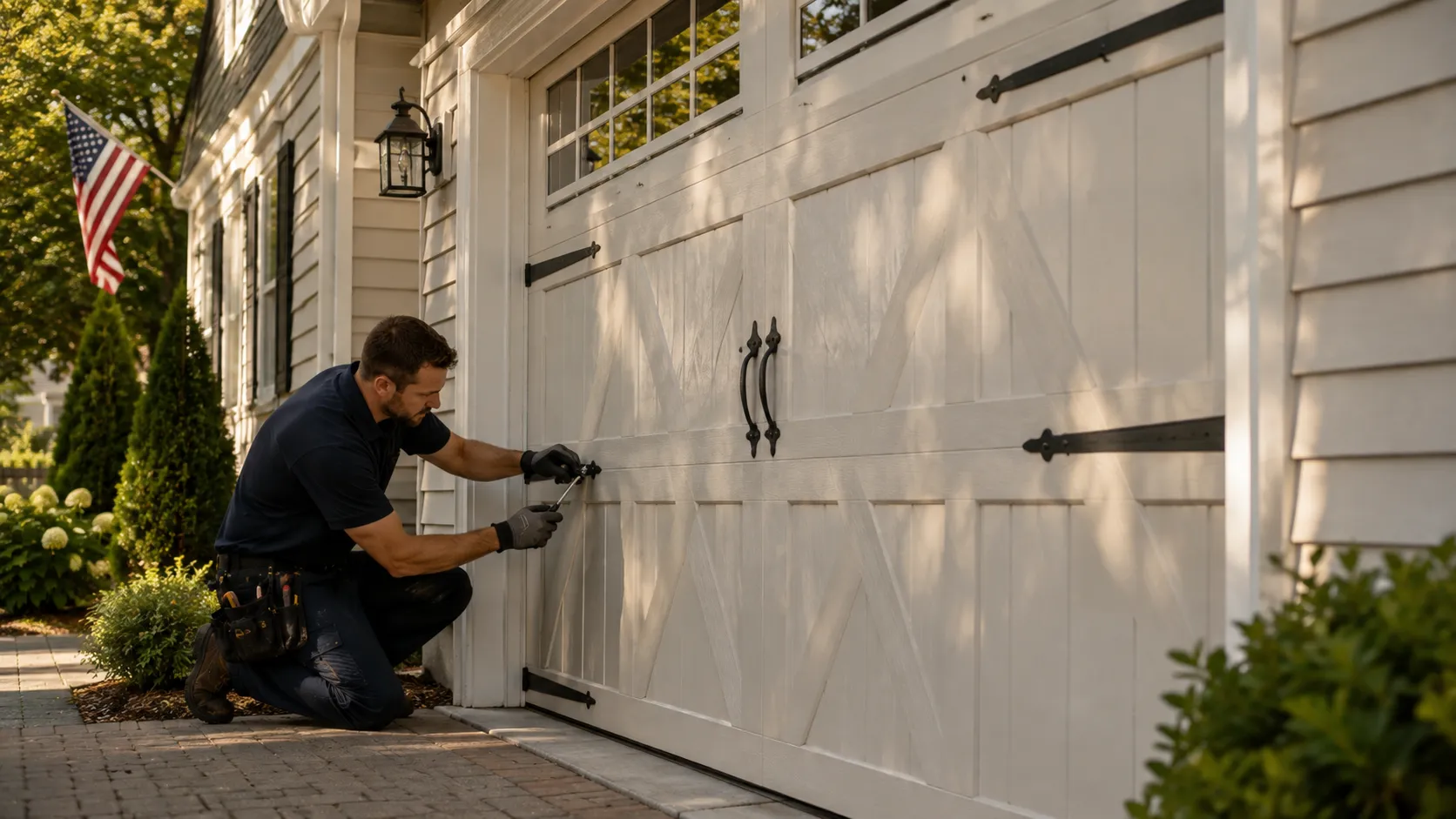
We also don't work on doors we haven't seen. Quotes over the phone for anything beyond a standard opener or spring job aren't something we do, because the difference between a 1980s galvanized track and a newer roll-formed one changes the parts list entirely.
Old Streets and New Ones
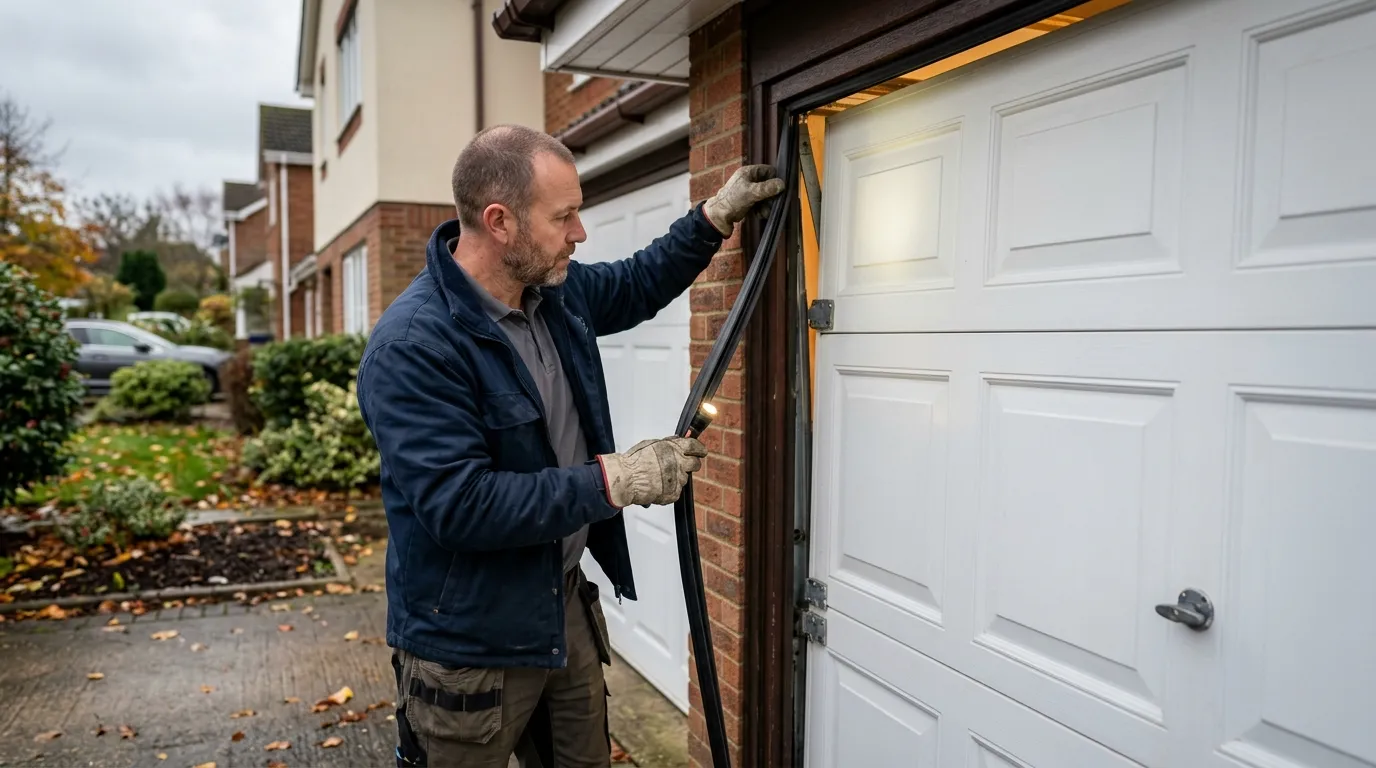
Judsonia sits about six miles from Searcy, close enough that we treat it as regular route work rather than a special trip, but far enough that we plan the day around it rather than swinging by on a whim. The town's growth didn't happen in one wave - it's part of a service area where housing across five named communities mostly went up in the 1980s and 90s, and Judsonia's own numbers track that closely, with a median build year of 1982. That matters more than the mileage does. A door installed the year a house was built has had roughly four decades of Arkansas winters to work its springs and rollers loose, and the hardware from that era wasn't built with the sealing and insulation options that came later. When we come out, we're not guessing at what we'll find under the panel - we already know the rough vintage before we open the truck.
What the Housing Means for Your Door
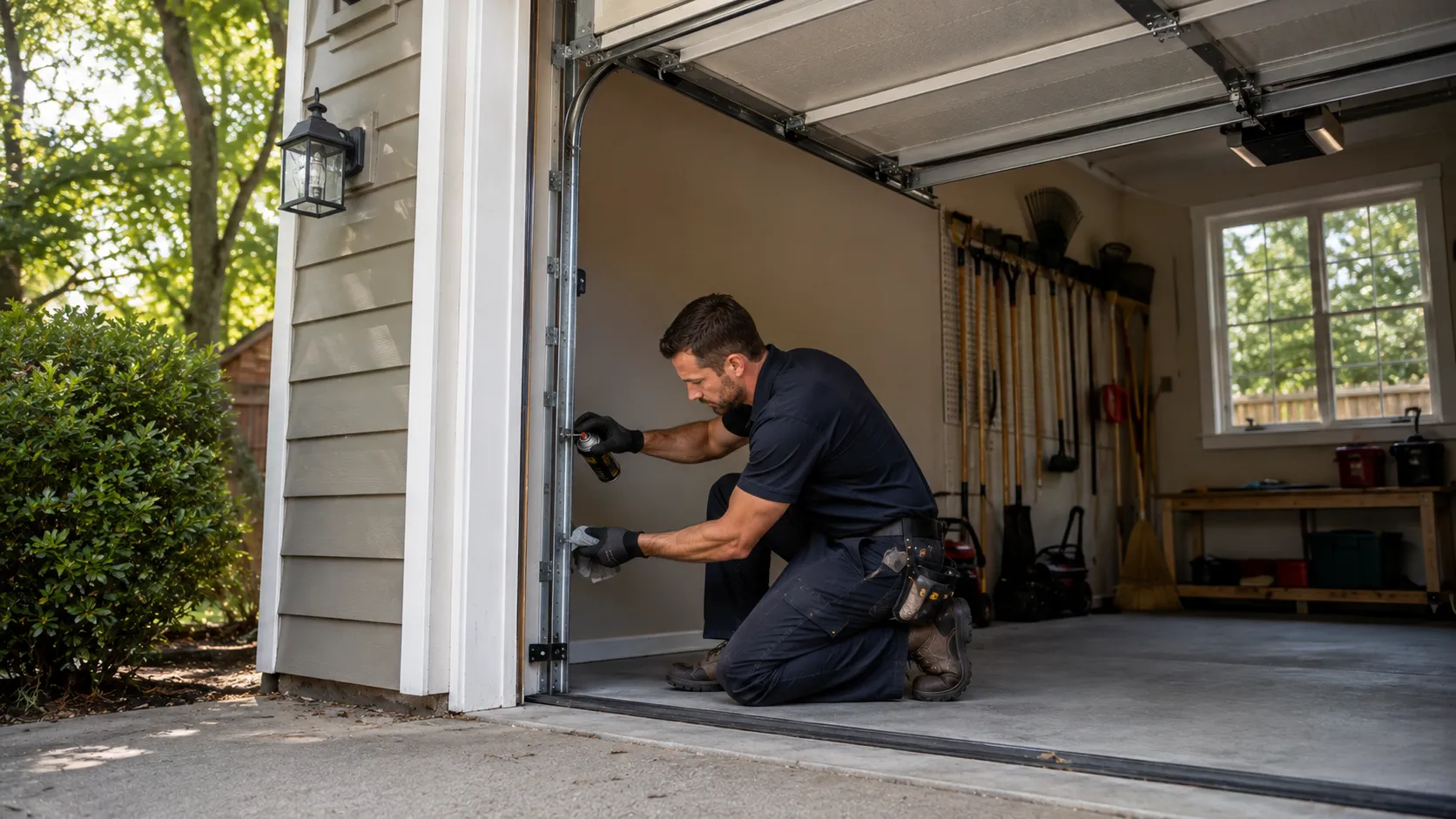
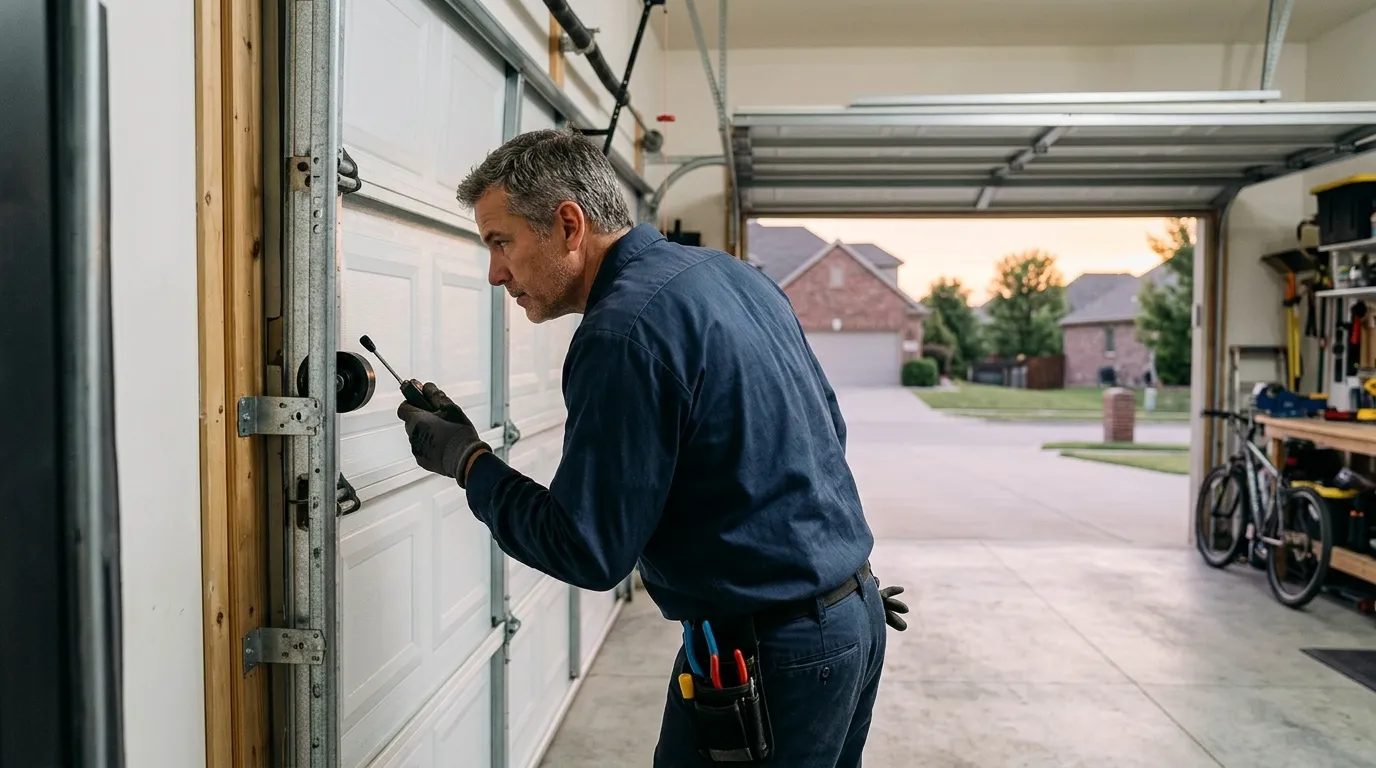
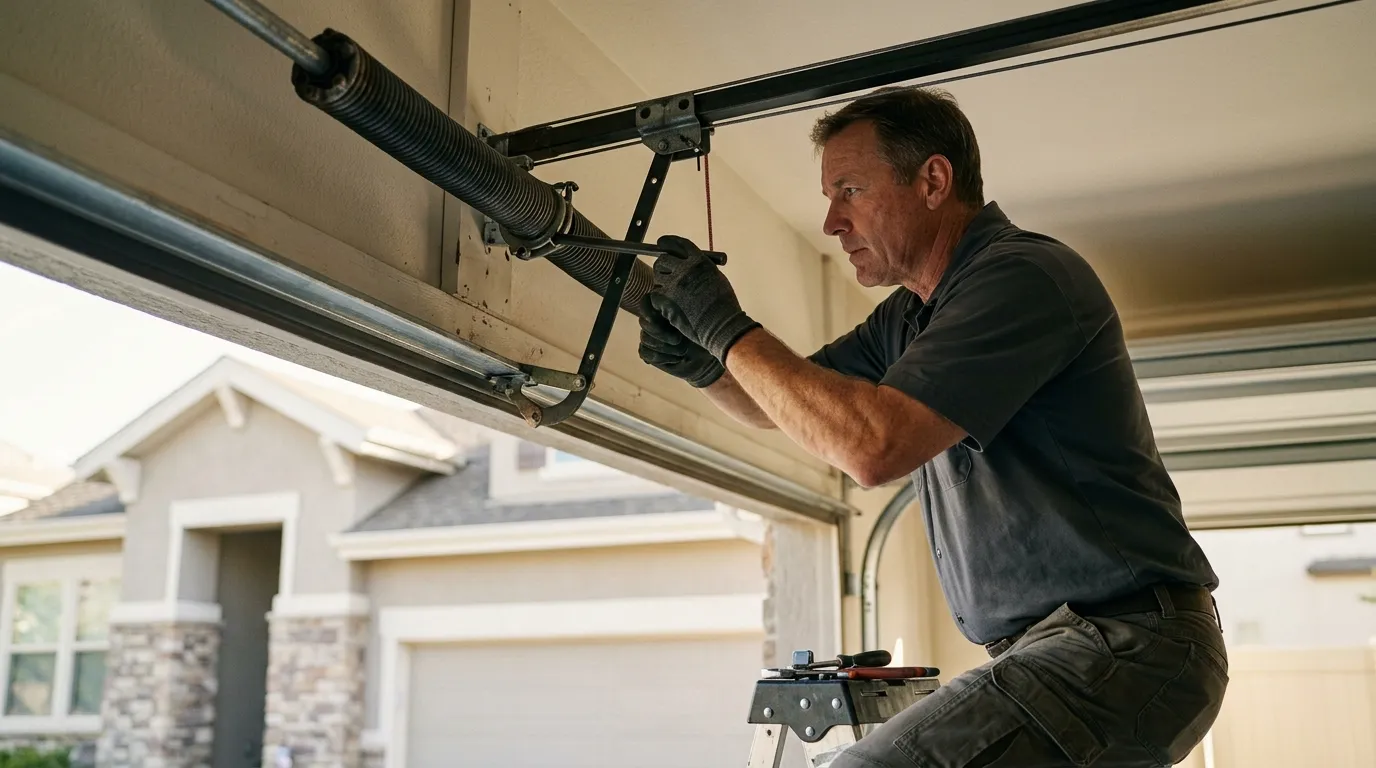
A door built or installed around 1982 is old enough that its torsion spring has almost certainly outlived its rated cycle count, and the winding cone and bottom bracket on that generation of hardware were not built to the tolerances used today. Combine that with a cold moderate climate band - real winter cold, not extreme, but enough freeze-thaw cycling to stiffen grease, shrink weatherseal, and work bolts loose year over year - and you get a specific, predictable failure pattern: cables fraying at the drum, rollers seizing in galvanized track, openers straining against springs that have lost half their lift. None of that is dramatic until the day it is, usually a cable snapping mid-cycle. If your door is original to a house built in the early 1980s, the smart move is a hardware inspection before the spring goes, not after.