What We Will Not Take On
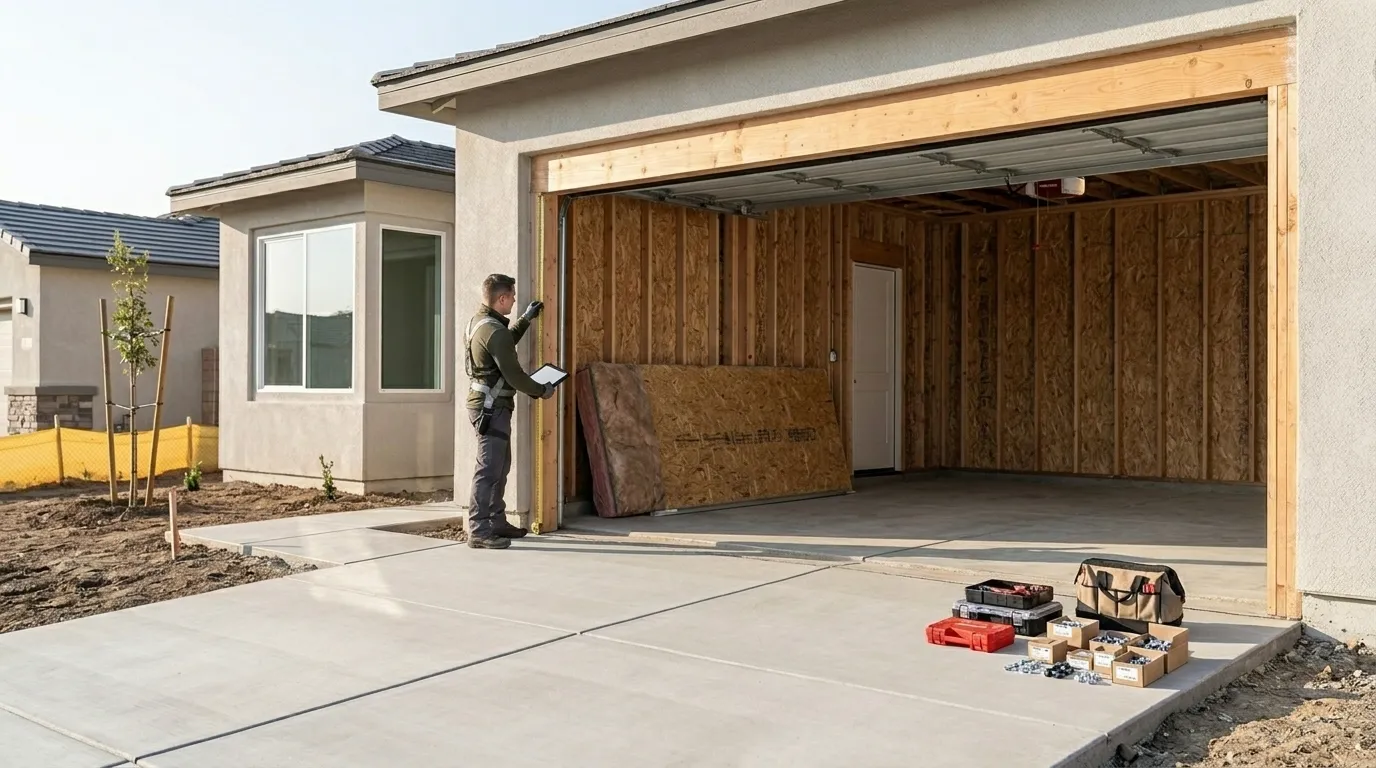
We run out of Searcy, fifteen miles from Beebe, and we're upfront about what that means. We don't keep a depot in town, so we can't promise a same-hour arrival the way a shop parked on your street could. If your door needs a part we don't carry on the truck, you're waiting on a supplier same as anywhere else - we won't pretend otherwise.
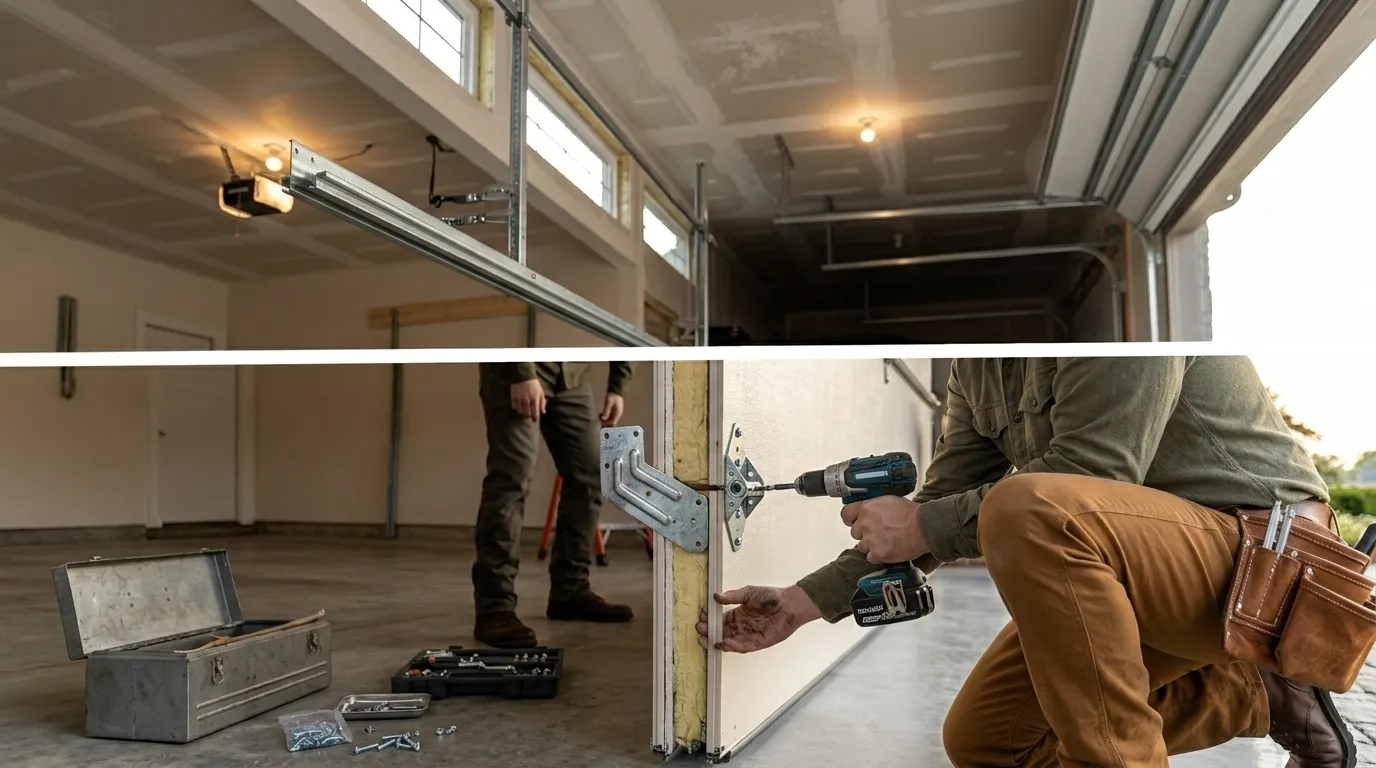
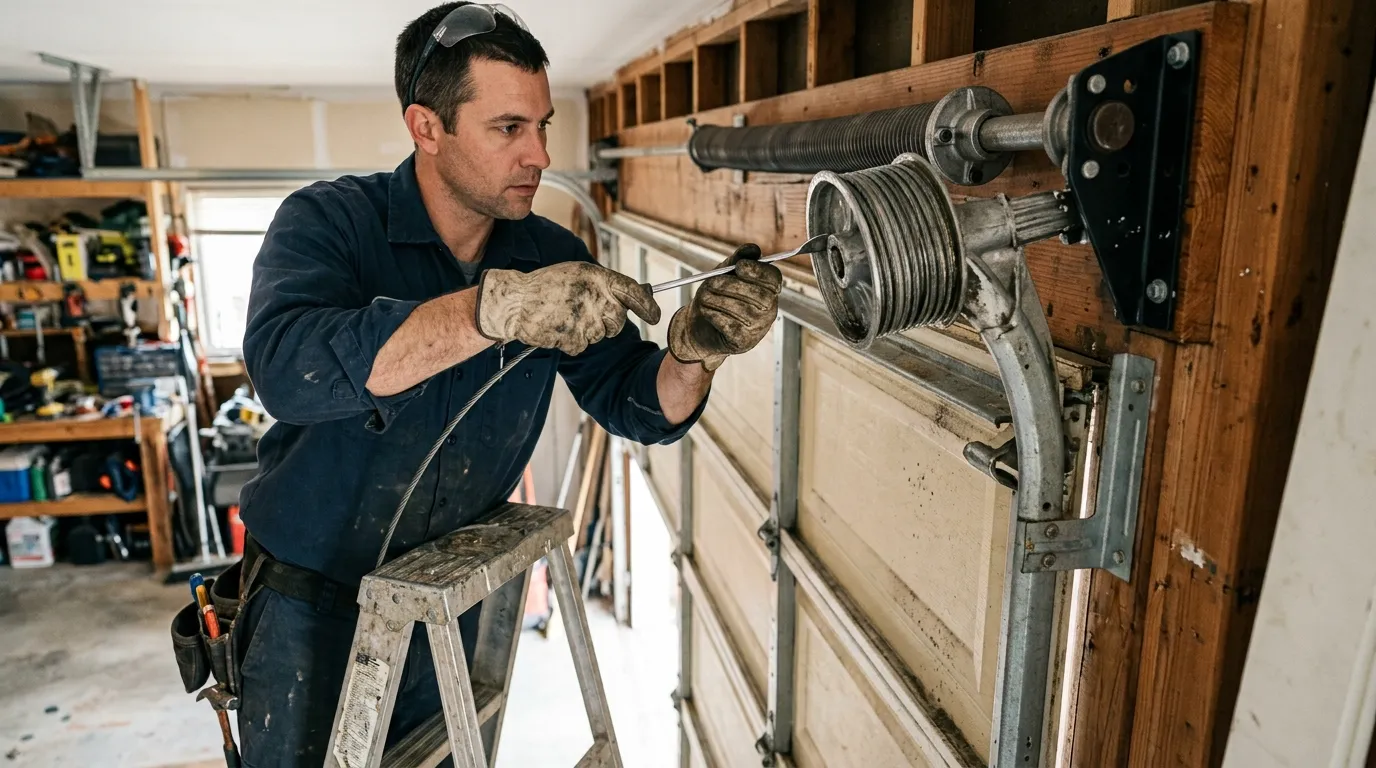
We also won't talk you into a new door when a spring, a cable, or a bent roller will get you another decade out of the one you've got. Beebe's housing is newer than a lot of what we see closer to Searcy, and newer doors are usually worth fixing rather than replacing. On the flip side, if a panel's rusted through or an opener's circuit board is fried and the model's long discontinued, we'll tell you straight that replacement is the cheaper path over time. We're not going to chase a repair that costs more than a new unit just to bill you a job.
Old Streets and New Ones
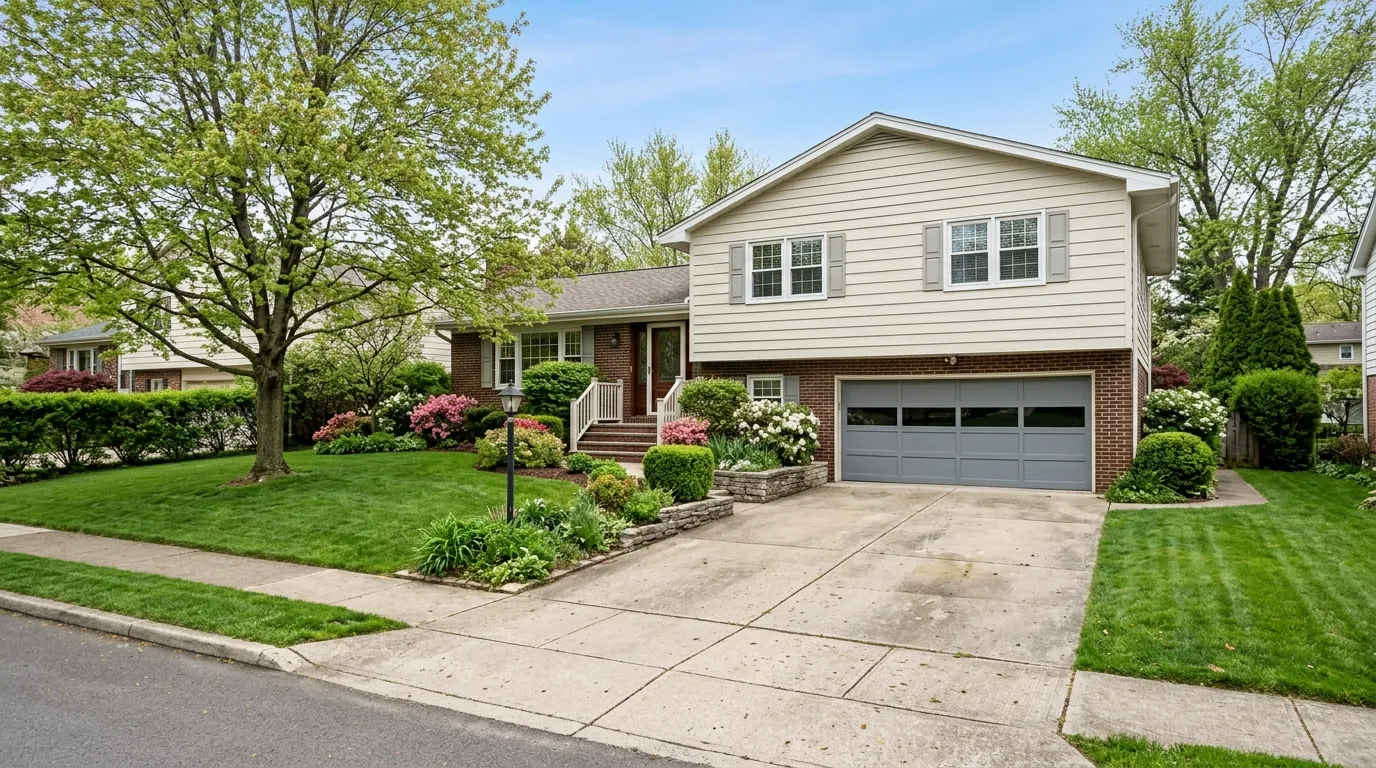
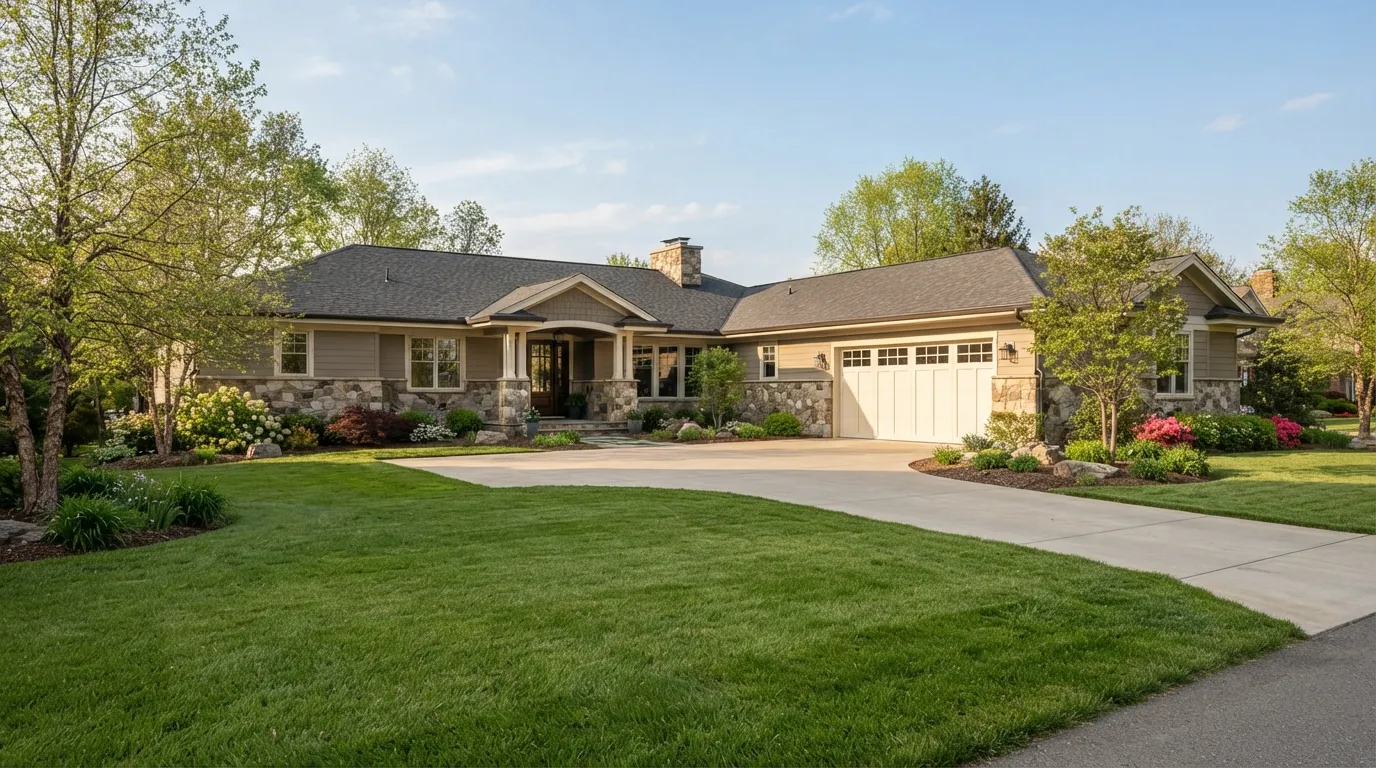
Beebe isn't the same age as the older core of the Searcy service area. Across the wider coverage territory the median home dates to 1982, but Beebe's own housing stock centers on 1997 - a full generation newer. That gap matters more than it sounds like it should, because garage doors and openers changed a lot in those fifteen years.
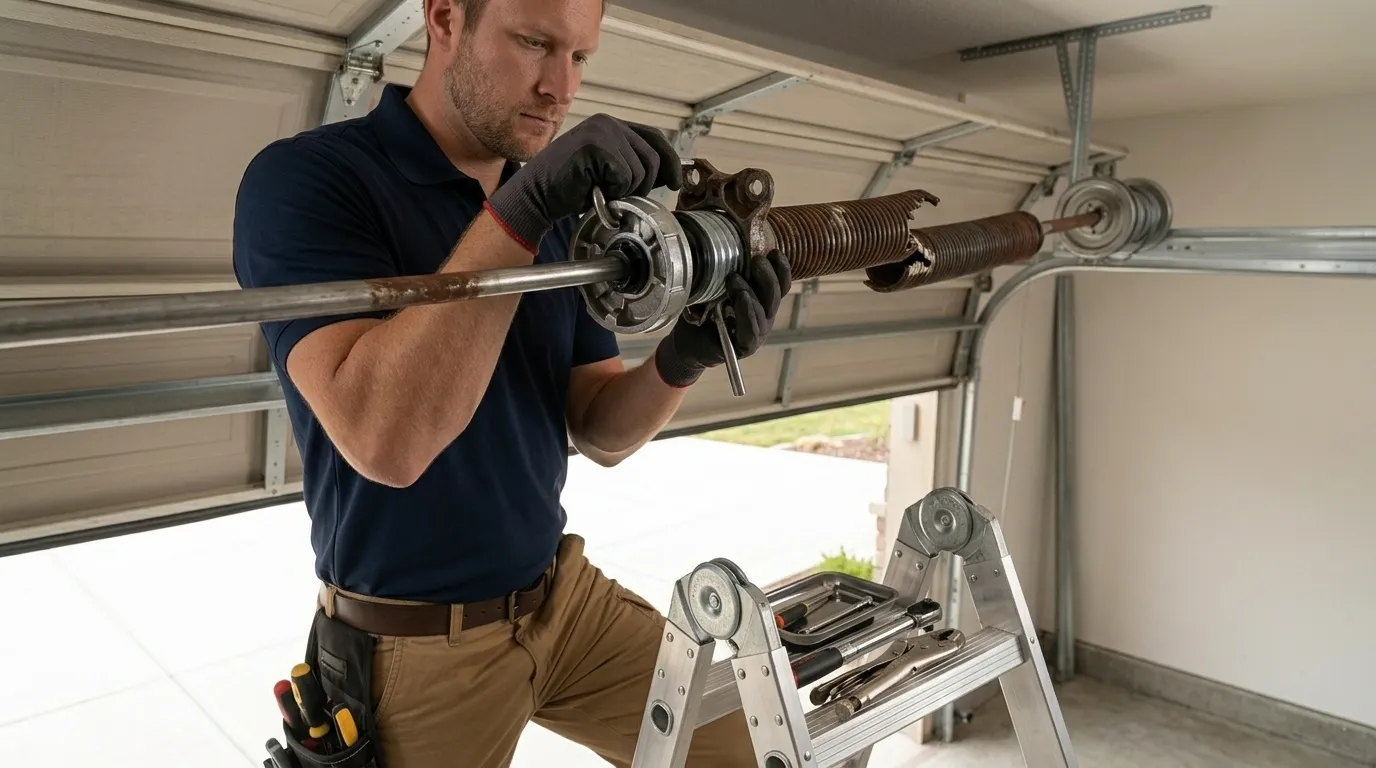
Houses built in the late 1990s came standard with steel sectional doors on torsion spring systems mounted on a center bracket over the opening, not the older side-mounted extension springs you'll still find on doors from the 1970s and early '80s elsewhere in the service area. Openers from that era were mostly chain-drive, often the first generation built to the post-1993 federal rule requiring photo-eye safety sensors near the floor. If your door and opener are original to the house, they're old enough to be tired but young enough that most of the parts are still made.
What the Housing Means for Your Door
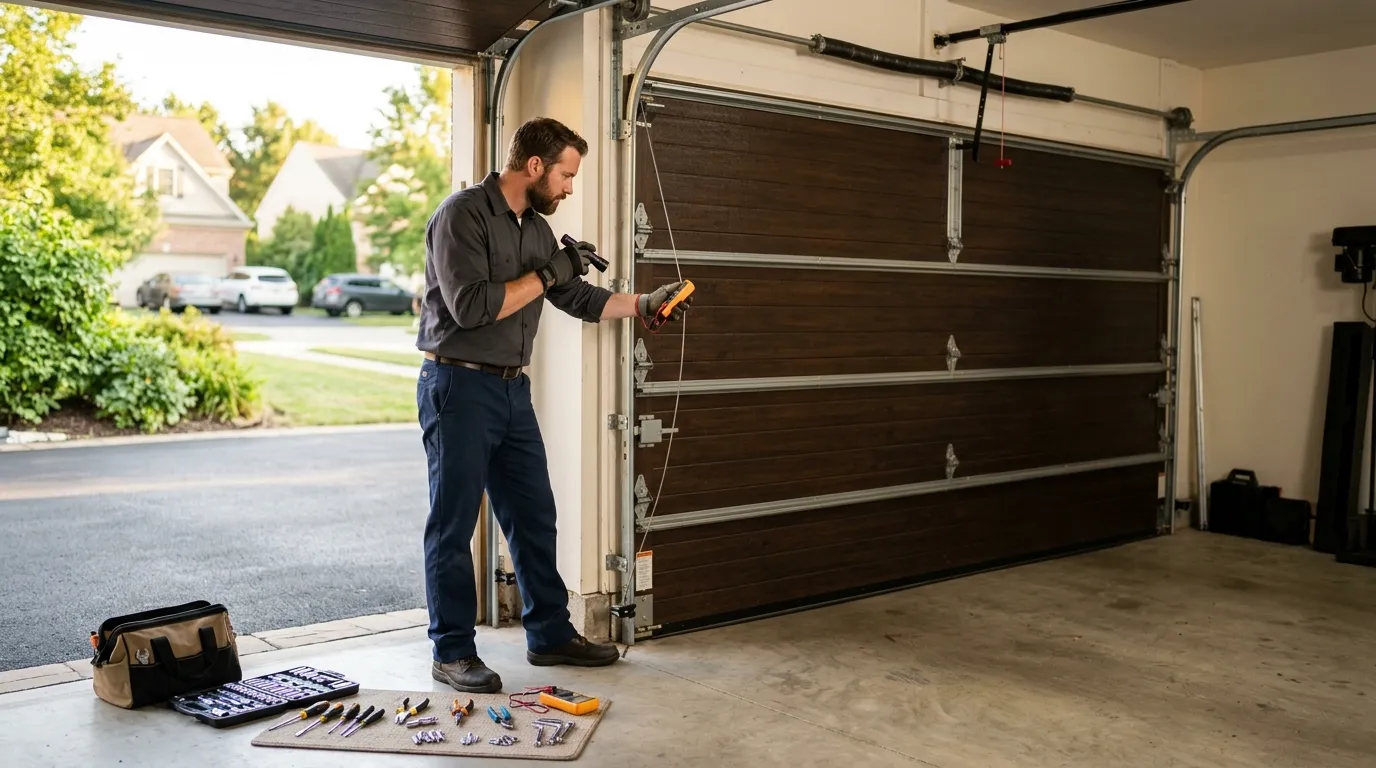
Because most of Beebe went up around 1997, the springs on your door are almost certainly torsion, not the extension-spring setup with the two long stretched springs over the tracks. Torsion springs last longer and fail less dramatically, but when they go, the door won't move at all - no slow sag, just stuck. That's a different call than what we get from older housing closer to Searcy's center, where extension spring failures are more common and give more warning.
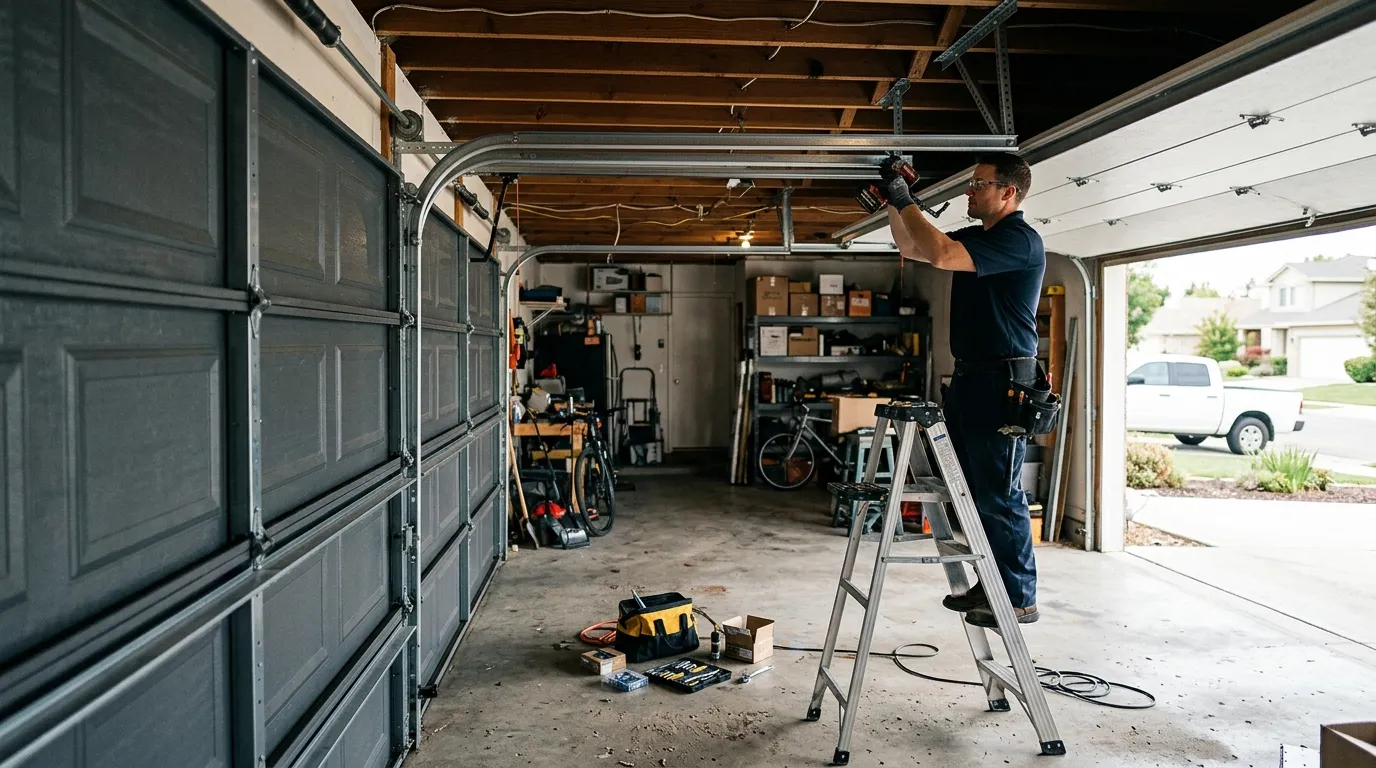
Openers from that build era are old enough now that circuit boards and gear-and-sprocket drive units are wearing out, but the safety reversal sensors required since 1993 should already be there - we're not retrofitting those from scratch the way we sometimes do on pre-1993 stock. The climate here is cold-moderate, which is easy on doors compared to coastal humidity or hard freeze-thaw regions, but seals still crack and rollers still seize with age regardless of the weather band.