What Can Go Wrong
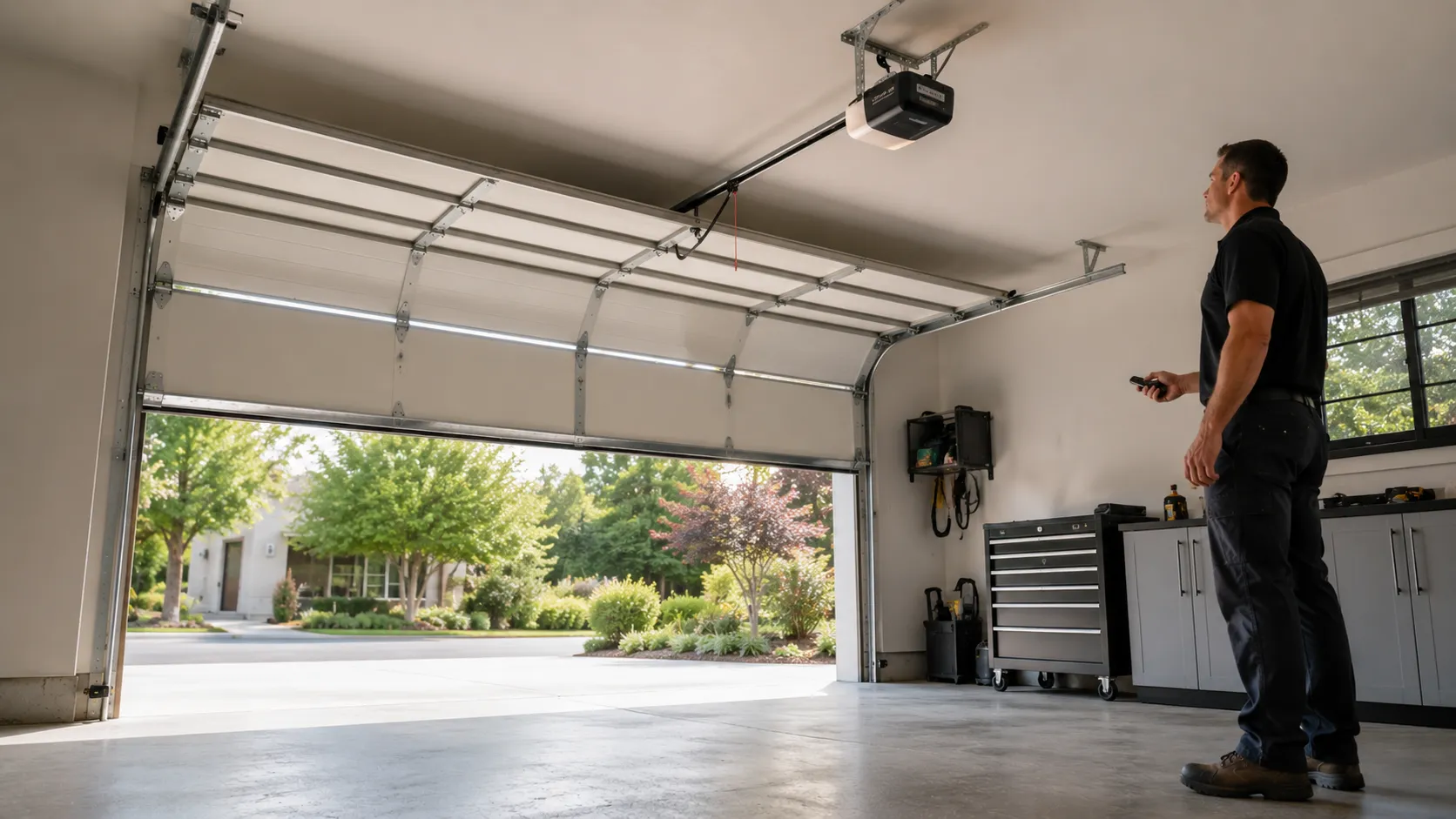
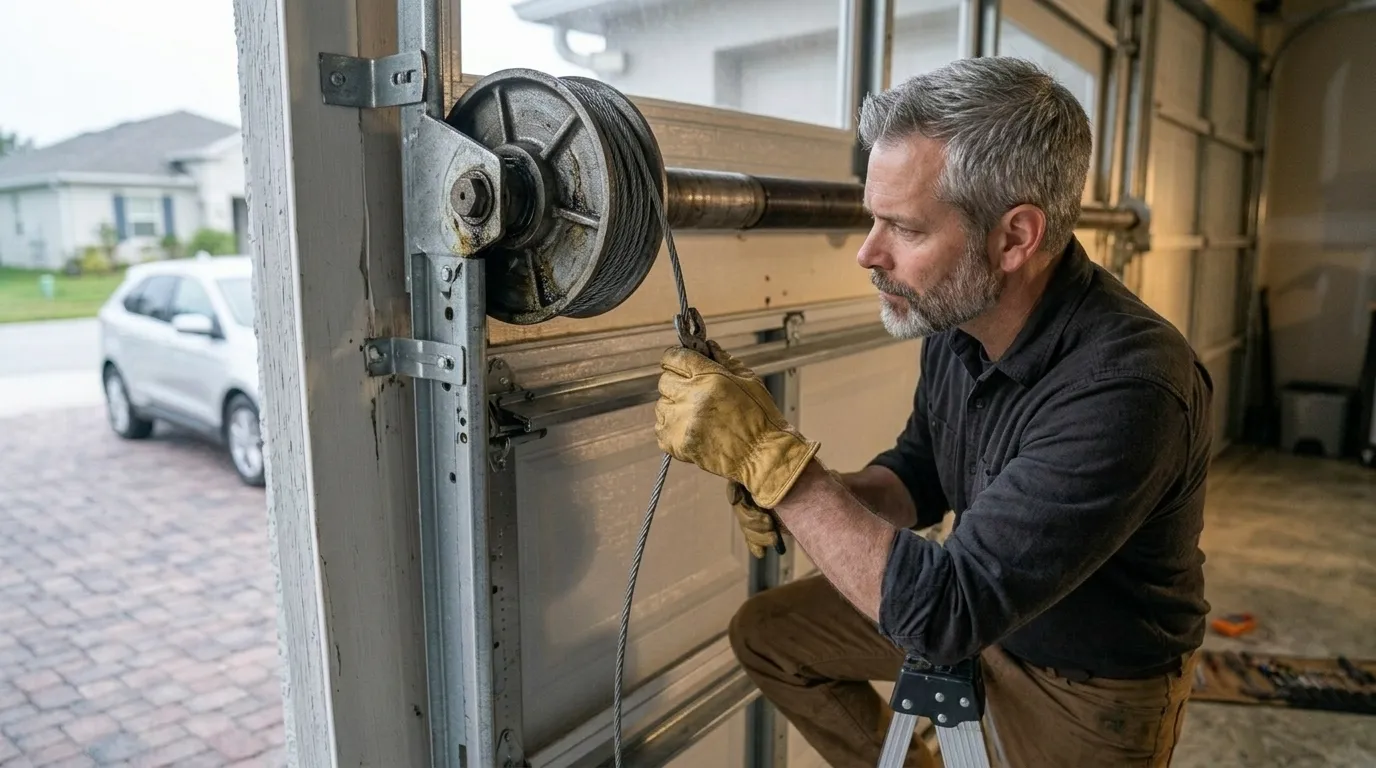
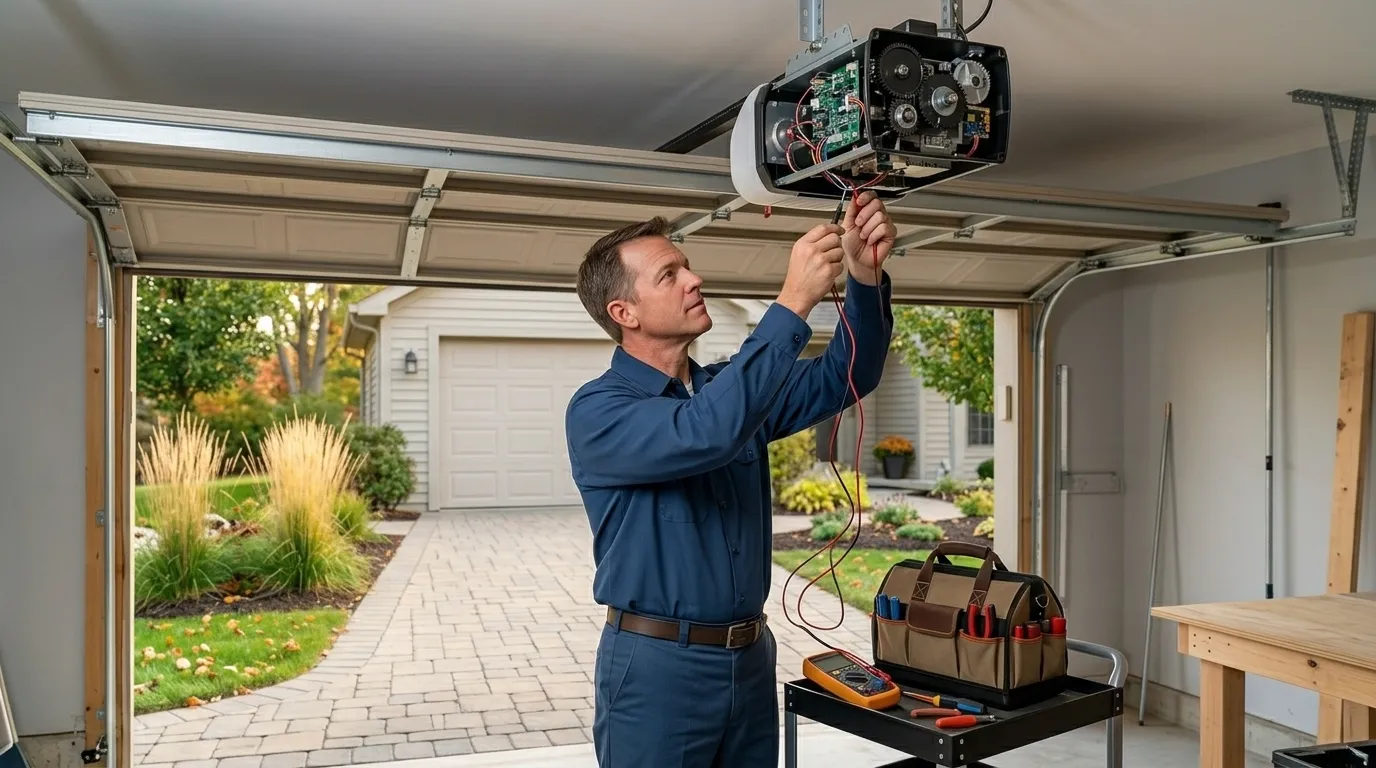
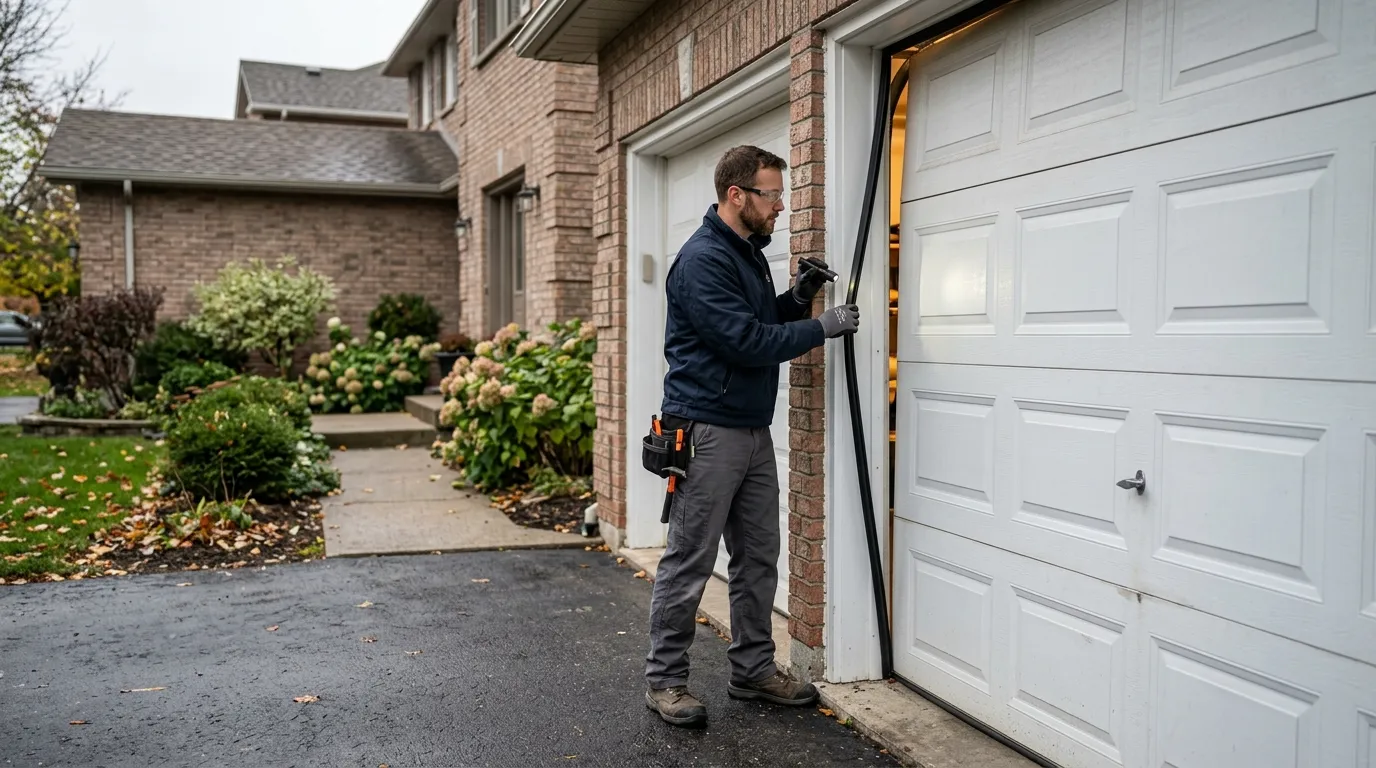
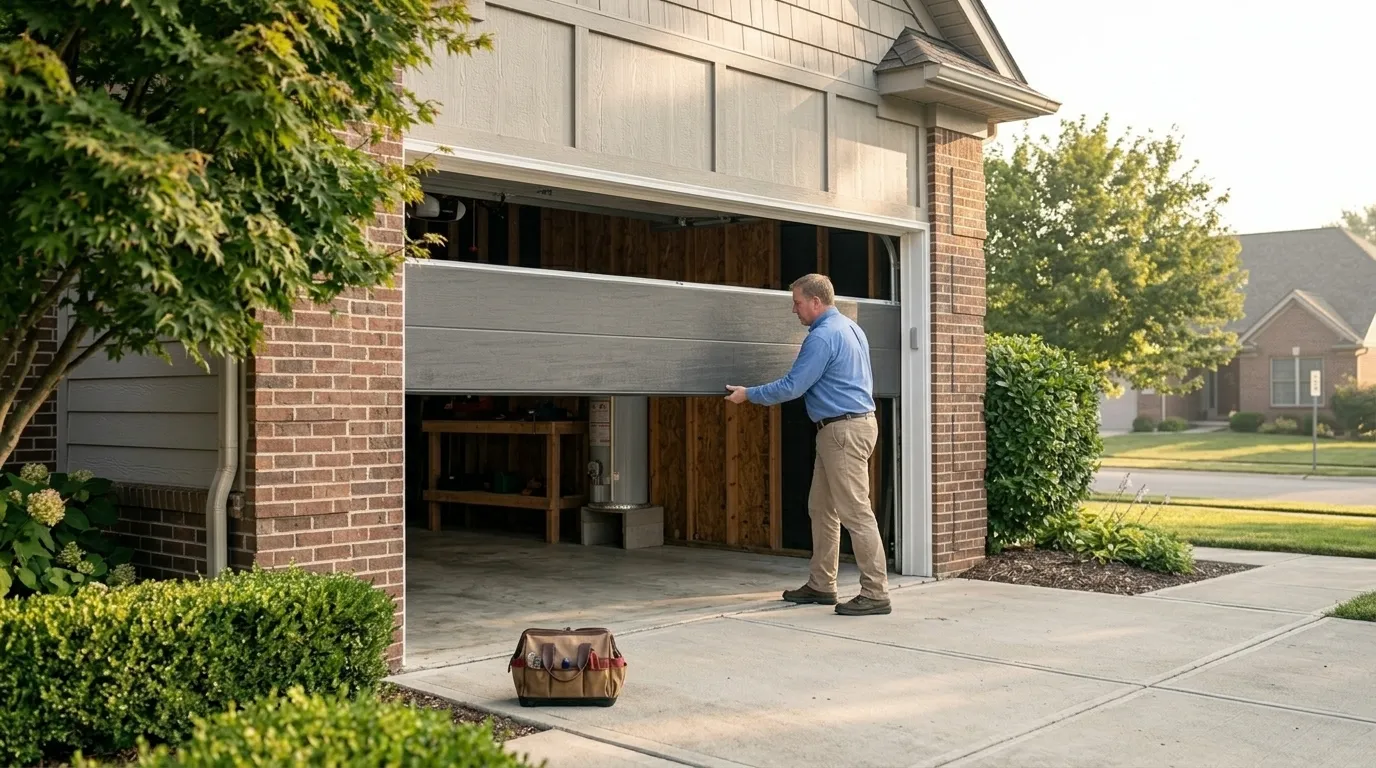
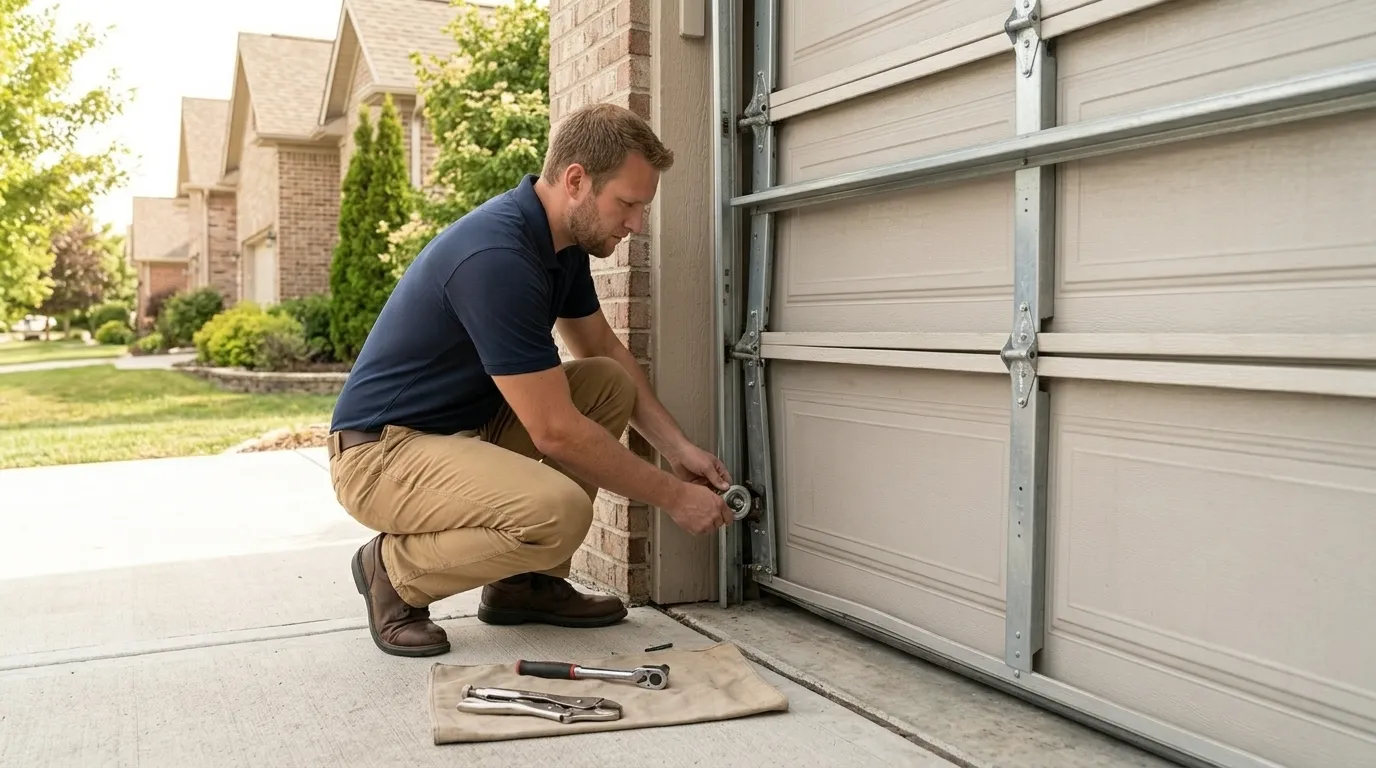
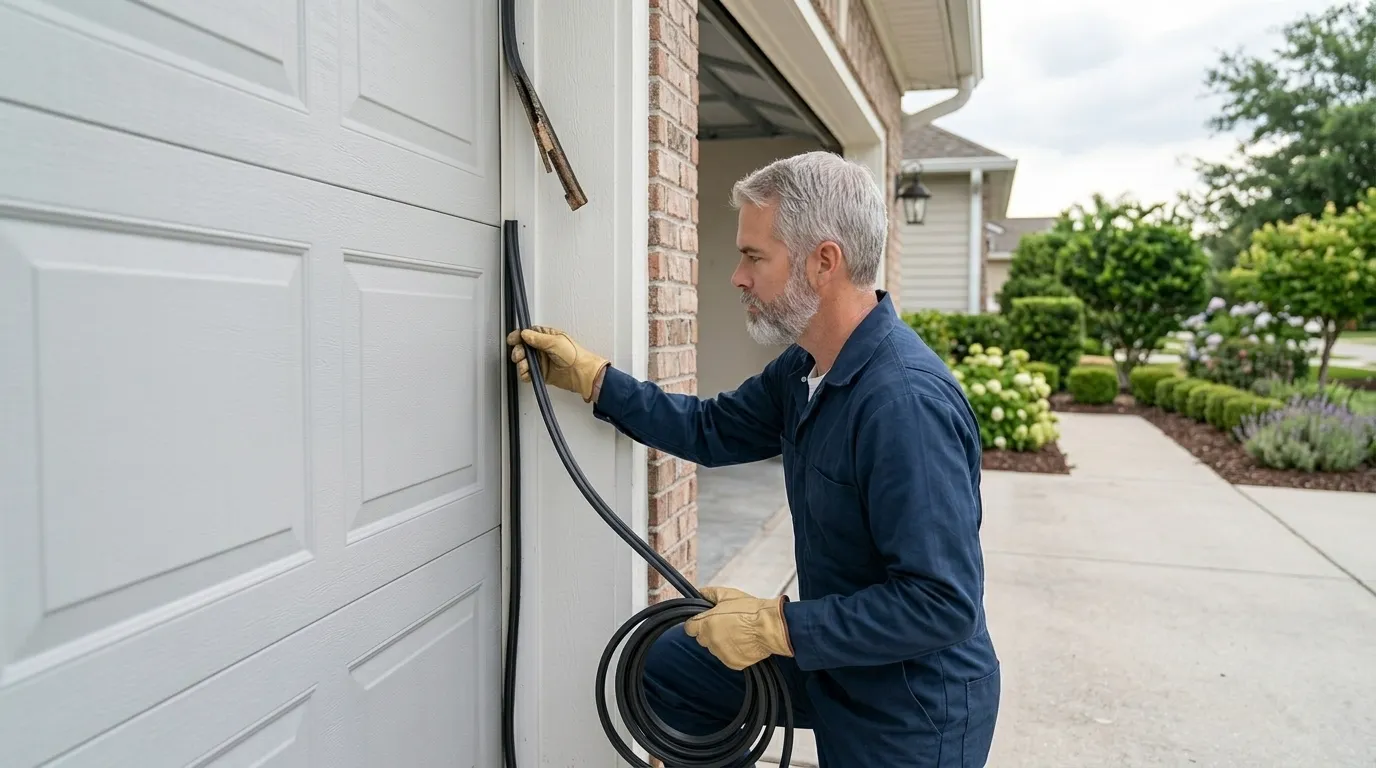
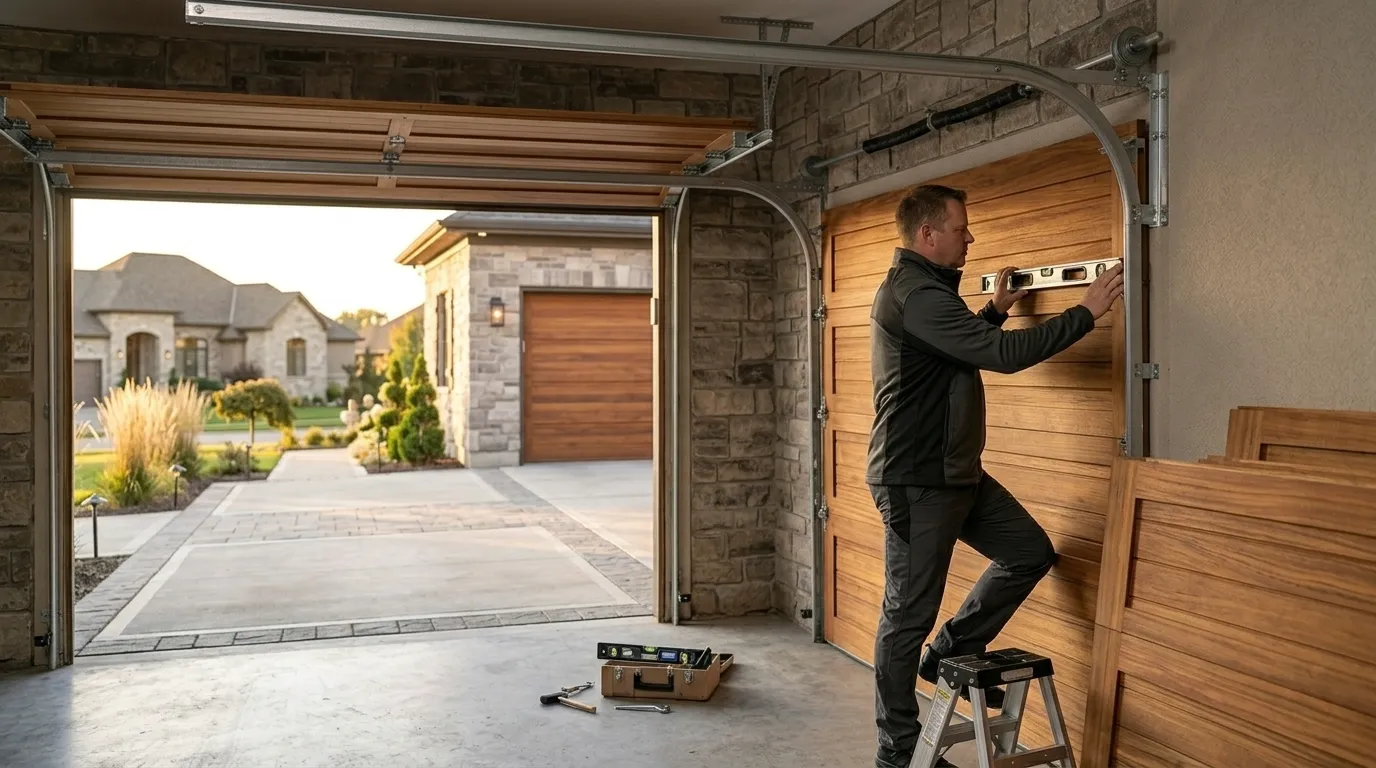
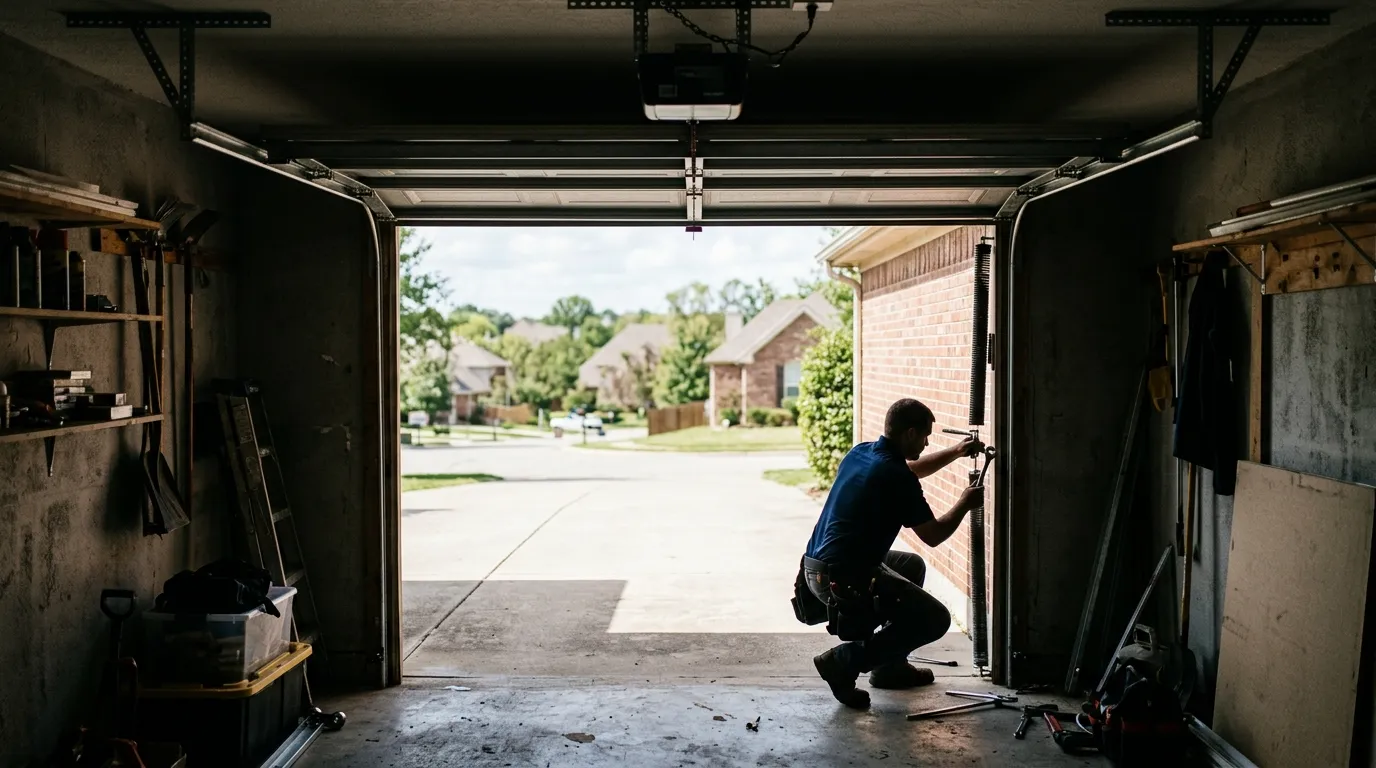
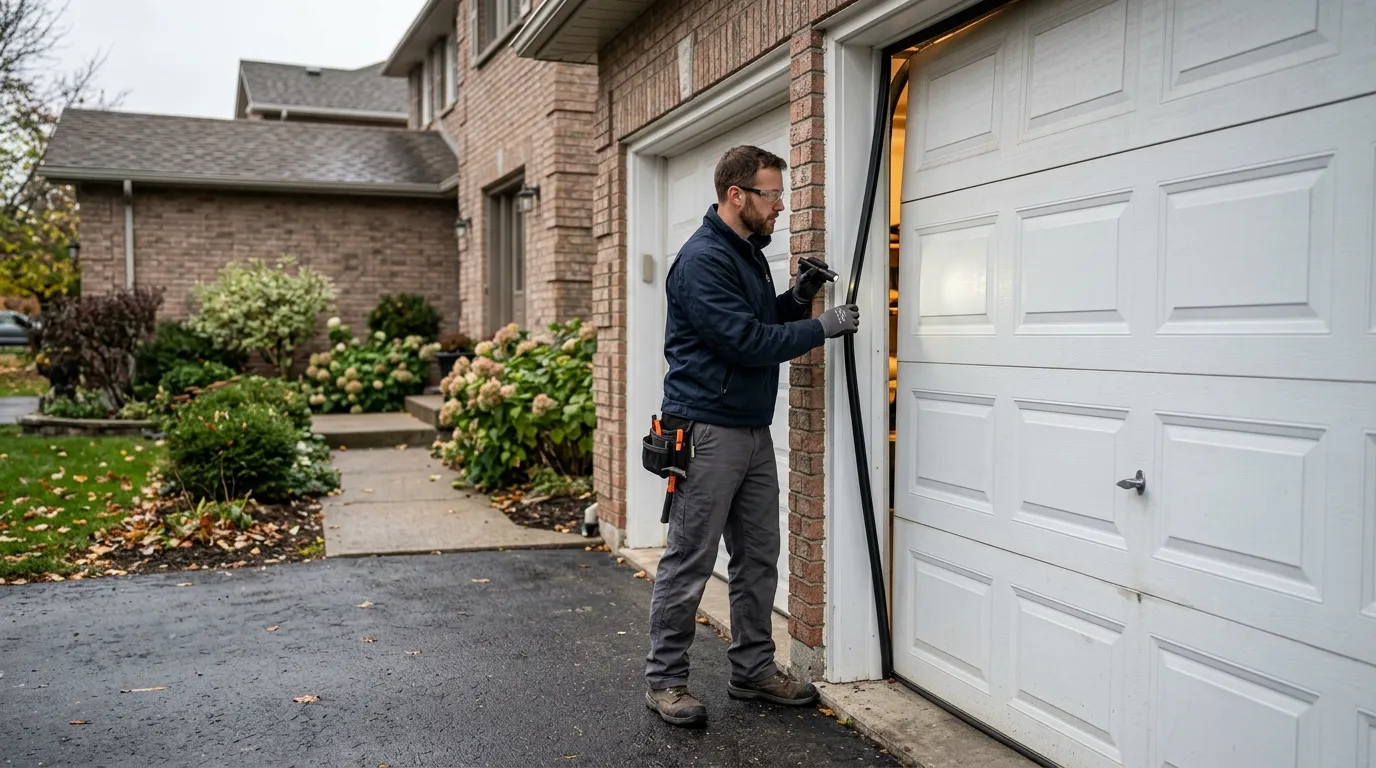
Most of the trouble we see on installs in this area traces back to the same source: a house built somewhere in the 1975-1997 run, with a garage door and track that's never been touched since the original builder put it in. The header above the opening can be undersized for anything heavier than the single-layer steel door it was framed for. Track brackets that were fine for a 90-pound door start pulling loose under a heavier insulated panel. On older concrete slabs, the floor isn't always level end to end, which means a new door can look installed correctly and still bind on one side. None of this is unusual - it's just what happens when a door goes in on schedule with a house instead of being planned around the house's actual bones. The other common issue is opener mounting. A lot of these garages have exposed rafters that were never meant to carry a modern opener's weight, so that gets addressed at install time or it becomes next year's service call. We check header strength, track alignment, and framing before we quote a job, not after.
One limitation worth saying plainly: if the framing needs real carpentry work - not just a header brace - that's outside what a garage door install covers, and we'll tell you before we start, not after we've opened the wall.
What It Costs
We don't post a flat number here because the two biggest cost drivers - door size and what the opening needs structurally - vary house to house even within the same subdivision. What we can tell you: with a median household income of $43,811 across the service area, most of the people calling us are budgeting a real number, not shopping for extras. That's the job we price for. Double doors cost more than single doors, insulated sections cost more than uninsulated, and if your header or track needs reinforcement before the new door goes in, that's added labor, not a surprise line item buried in the invoice.
Across the service area there are 6,049 households, with 2,979 of them owner-occupied houses - meaning most of the doors we're asked to replace aren't rentals with a landlord deciding on price alone. Owners here tend to ask about the door's expected life more than they ask about the sticker price up front, and that's a fair question given how many original doors in this area are already past 40 years old. We walk every job in person before quoting because a phone estimate on an installation this old-house-dependent isn't honest pricing, it's a guess.
Why It Happens Here
The building boom that shaped this area ran from 1975 to 1997, with the median house going up around 1982 - which means a large share of the original garage doors installed during that stretch are hitting the same age wall at roughly the same time. That's not true everywhere; in a town with a wider spread of build years, this kind of clustered failure wouldn't show up. Here it does, across the five named areas that make up most of the service area's housing stock.
Add the climate: this is a cold-moderate band, not a mild one, and doors built to 1980s-90s residential code weren't speced with the insulation values that would be standard on new construction now. So the door isn't just old, it's old and under-built for the temperature swings it's been sitting through for decades.
If you're out toward Kensett, Judsonia, McRae, Bald Knob, or Beebe, you're looking at close to the same housing stock and the same clock running on it. That's the pattern we plan installs around - not a sales pitch, just what the build years and the climate data actually show.