What It Costs
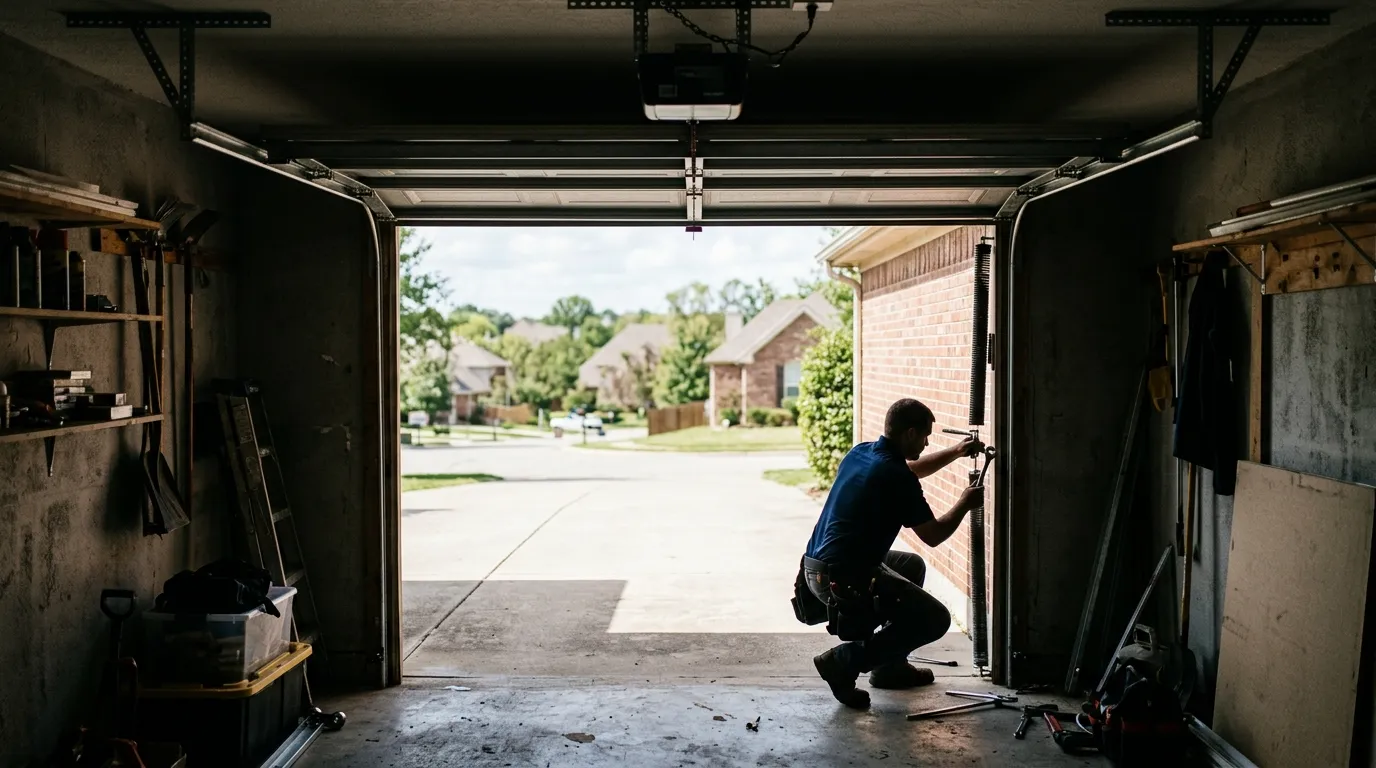
We don't post a flat number here because what a job costs in Searcy depends on what's actually on your house. A big share of the homes in this service area went up between 1975 and 1997, with the median build year sitting around 1982. That means a lot of doors and openers are original or one replacement removed from original, and the hardware on them isn't always something a tech can grab off the truck without checking first. A torsion spring swap on a standard double door is a different job, cost-wise, than a full opener replacement or a track realignment after a panel gets knocked out of true.
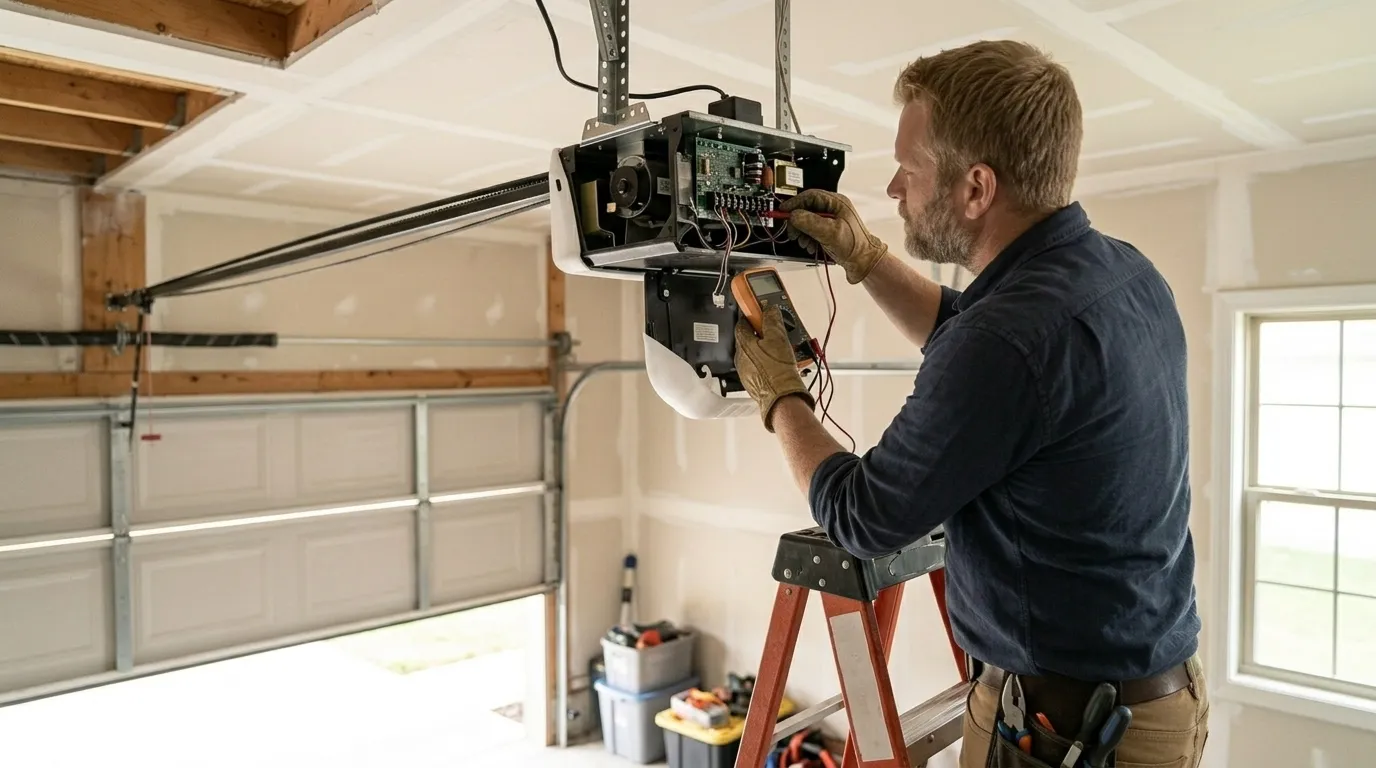
What we can tell you: if your spring snapped and the door won't move, that's a same-visit fix in most cases, not a big-ticket rebuild. If the opener is original to a house from the early 80s, replacement usually makes more sense than trying to source parts for a unit that old. We'll tell you which situation you're in before we start work, not after. We're not going to quote you a number sight unseen over the phone, because doing that for a house we haven't looked at is how people get surprised on the invoice.
When Waiting Is Fine
Not everything needs a same-day call. A door that's a little noisy on the way up, or a roller that squeaks once a week, can usually wait for a scheduled visit rather than an emergency one. Across the 5 areas we work in, most of the housing stock is from the same general era, so we see the same failure patterns repeat: worn rollers, stretched cables, openers reaching the end of their working life. None of that is urgent the day you notice it.
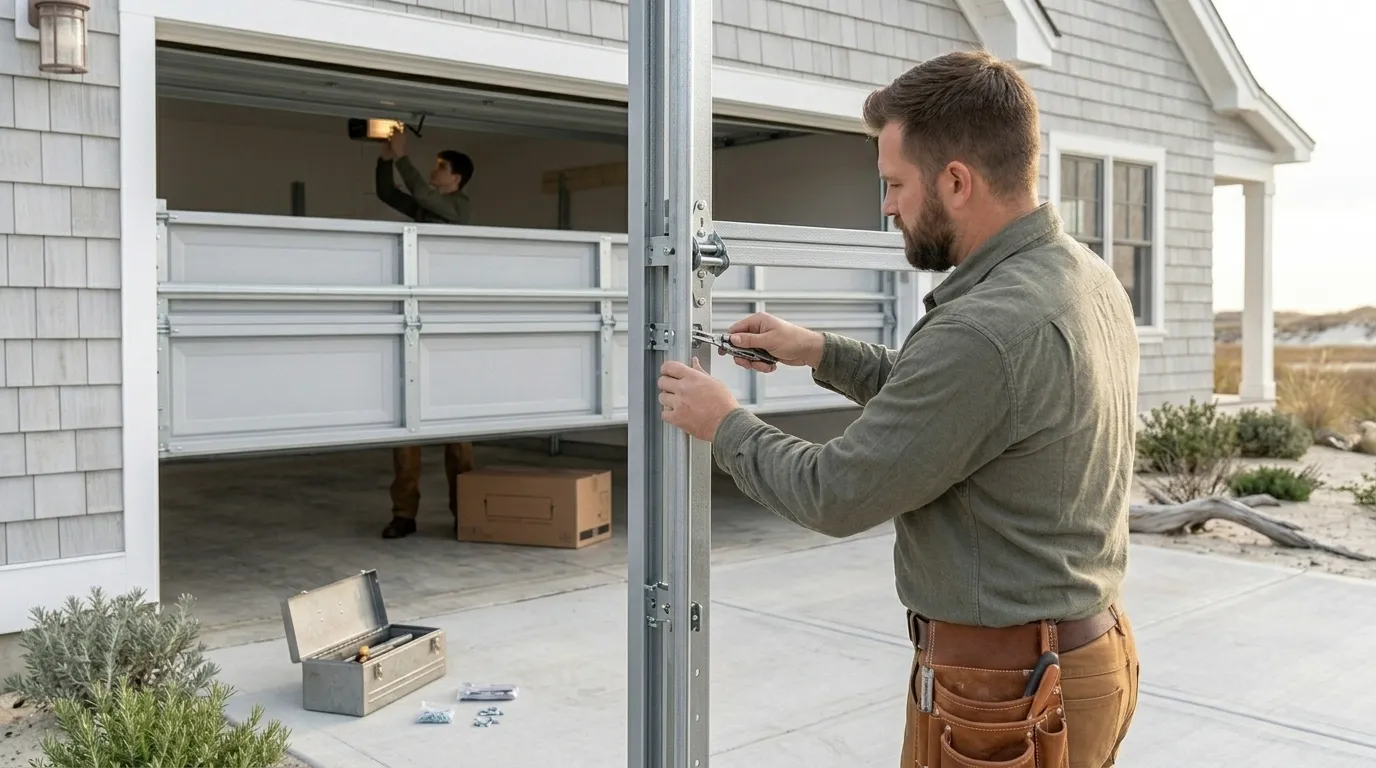
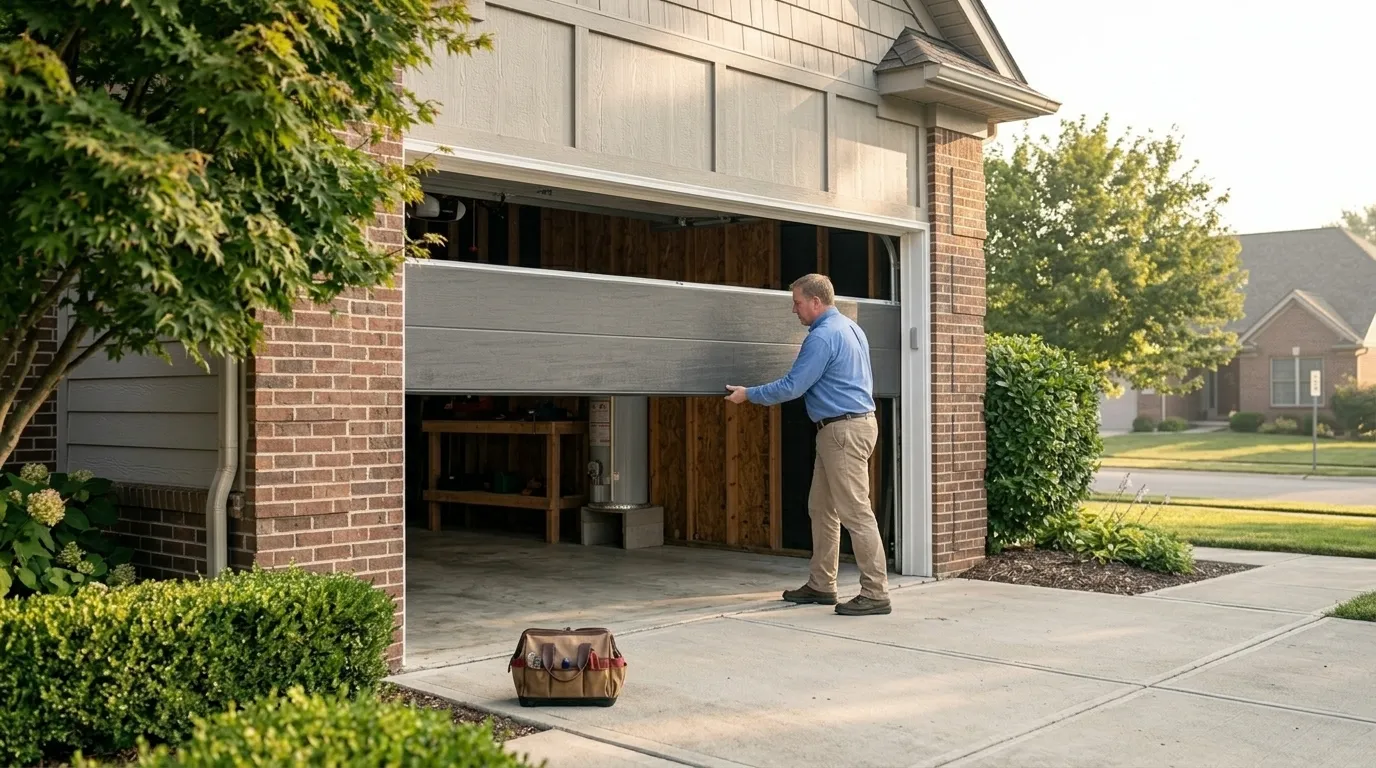
What isn't fine to wait on: a spring that's already broken, a cable that's frayed and visibly failing, or a door that's off its tracks. Those get worse, not better, and a door hanging on one cable is a safety problem for anyone who walks under it. If you're not sure which category you're in, describe what you're seeing when you call and we'll tell you honestly whether it can sit until next week or needs a truck today.
The Problem
The core issue in Searcy isn't flashy: it's that a lot of the door hardware out there is original to houses built in the 1975-1997 window, and none of that hardware was built to last forever. With 2,979 owner-occupied houses in a service area of 6,049 households, that's a large number of doors quietly aging past the point where their springs and cables were rated to perform reliably.
With a median household income of $43,811 in this area, we know most people aren't looking to replace a door and opener on a whim, and we don't push that. Our limitation here is straightforward: if a repair will cost close to what a new door costs, we'll say so rather than patch something that's going to fail again in a year. Sometimes the honest answer is that a 40-year-old door has earned its retirement, and no amount of adjusting will change that math.